Isaiah 40–49

Posted on

I can help prepare “the way of the Lord.”

Isaiah 40:3–5

Come, Follow Me—For Primary: Old Testament 2022 “Isaiah 40–49” We help fulfill the prophecy in Isaiah 40:3–5 by helping others receive the Lord in their lives.

  • Ask one child to read Isaiah 40:3 while the other children each read one of the following passages and look for similar words and phrases: Mark 1:3–4 (John the Baptist); Alma 7:9 (Alma); Doctrine and Covenants 33:10–11 (latter-day missionaries). Help them identify who is preparing “the way of the Lord” in each passage. How did these people prepare the way of the Lord? What can we do to help?

Come, Follow Me—For Individuals and Families: Old Testament 2022 “Isaiah 40-49”To explore what it might mean to “prepare … the way of the Lord,” your family could straighten something that’s crooked, clear a cluttered floor, or make a clear path in rocky ground. You could also show pictures of John the Baptist and Joseph Smith (see Gospel Art Book, nos. 3587). How did they prepare the way for the Lord’s coming?

If you get something straight, you make sure that you understand it properly or that someone else does.

Friend December 1991 “I Have a Testimony of Jesus Christ”

  • You are playing with a group of friends. Two of you are wearing CTR rings. One of the other children asks what the letters mean.
  • You have a friend who is ill or injured, and you visit her. She is very discouraged. What can you say to help her understand that Heavenly Father loves her and will bless her?
  • A repairman comes to your house and sees a Book of Mormon sitting on the table. He asks what it is about. What would you tell him?

While we’ll all experience stumbling blocks in life, we can make a straight path to Christ for ourselves and others by removing what obstacles we can. We can be dedicated to making our wards and branches welcoming places for all types of people from all walks of life. We can address concerns, answer questions, and sit with someone through doubt until they’re ready to take another step. (LDS Daily “What It Means to Make the Lord’s Path Straight”)

  • Draw a path on the board, and read with the children Isaiah 40:3–5. Ask the children to list obstacles that might prevent people from following the Savior, and invite them to draw obstacles on the path. Let them erase the obstacles as you talk about ways we can help people overcome them.
    • Suggestions might include the following: not understanding things that are being taught in Primary, not knowing anyone at church, never having prayed before, never having read the scriptures before, not knowing anything about Jesus, not understanding what the sacrament is for, not believing that Heavenly Father and Jesus could appear to Joseph Smith, etc.

4 Every valley shall be exalted, and every mountain and hill shall be made low: and the crooked shall be made straight, and the rough places plain:

Latter Day Kids “Preparing the Way for the Lord” Lesson ideas

I can be a witness of the Lord.

Isaiah 43:10

Come, Follow Me—For Primary: Old Testament 2022 “Isaiah 40–49” The Lord reminded the Israelites that they had witnessed many great things that He had done for them. He wanted them (and all of us) to be His witnesses, helping others know of His power and goodness.

  • Tell the children about something you have witnessed. Help them think of things they have experienced that they can tell each other about or be a “witness” of—for example, a delicious food they have tasted, a place they have visited, or a person they know. Read to the children from Isaiah 43:10: “Ye are my witnesses, saith the Lord, and my servant whom I have chosen.” Tell the children that when we are baptized we promise to be a witness of Jesus Christ (see Mosiah 18:9). What does it mean to be the Lord’s witness?

Friend November 2008 “Sharing a Testimony”

The other day I had a friend over who is not a member of the Church. He saw a picture of Jesus on our refrigerator, and told me that he did not believe that Jesus was real. I said, “Jesus is real, and I believe in Him!” I then told him that Jesus really lived on this earth a long time ago and that He died, but on the third day He was resurrected. I told him that because of Jesus, we will be able to live again after we die too.

My friend listened to what I was saying as he looked at the picture of Jesus. He seemed to believe that what I was telling him was true. I want to give him a Book of Mormon with my testimony written in it for his birthday. I know this Church is true, and I am thankful when I can share my testimony with my friends. (Brigham P., age 6, Montana)

Friend November 2019 “Jesus is Real” Everyone at Ismay’s table at school were excitedly talking about Christmas and their favorite traditions such as going to a church service. Suddenly Charlotte spoke up and said, “Jesus isn’t even real.” Ismay was sad to hear this and she quietly bore her testimony to Charlotte that Jesus was real, and that she felt it in her heart. She was glad she had spoken up and planted a seed about Jesus.

  • Ask the children to share what they know about Jesus Christ and His gospel. Show them pictures to give them ideas (for example, pictures of the Savior’s Resurrection, the Book of Mormon, the temple, and the living prophet). Invite them to talk about what they could share with others as witnesses of the Lord.

Friend September 1999 “We Can Testify of Jesus Christ and His Gospel” Lesson 

The Lord is with me in my trials.

Isaiah 41:1043:1–548:10

Come, Follow Me—For Primary: Old Testament 2022 “Isaiah 40–49” When we make covenants with the Lord, He makes promises to be with us—even during our trials. Help the children see themselves as part of the Lord’s covenant people and as recipients of His promises.

Come, Follow Me—For Individuals and Families: Old Testament 2022 “Isaiah 40-49” It must have been discouraging, even devastating, for the Israelites to find themselves captive in Babylon. Many may have wondered if they had forever lost their place as God’s chosen, covenant people. Isaiah’s message to them and to us is simple: “Fear not” (Isaiah 43:1). All is not lost. The Lord has not forgotten you, and He has power over situations that seem out of your control. “Return unto me,” He pleads, “for I have redeemed thee” (Isaiah 44:22). He can heal, restore, strengthen, forgive, and comfort—whatever is needed for you.

We are also part of God’s covenant people.

  • Write on the board I am … and I will … Invite the children to read Isaiah 41:10 and Isaiah 43:1–5 to find out who the Lord says He is and what He says He will do. What other phrases are repeated in these verses? How might these messages give us comfort and hope during hard times?

Friend September 2019 “The Diabetes Dilemma” Joe prayed that his sister didn’t have diabetes. When they found out she did have diabetes, he was devastated. He didn’t understand why Heavenly Father didn’t answer his prayer. His mom explained that answers to prayers don’t always happen the way we want. Sometimes, instead of taking something hard away, He answers by giving us peace and helping us be strong. Joe then realizes that Heavenly Father was blessing his sister and family with peace.

  • Read together Isaiah 48:10, and talk about what a furnace is and different ways it is used. Explain that metals are purified in a furnace. Why is a furnace a good way to describe affliction? How can our afflictions purify us? (see Alma 62:41).

The Lord will never forget me.

Isaiah 49:14–16

Come, Follow Me—For Primary: Old Testament 2022 “Isaiah 40–49” When we feel distant from the Lord because of sin, trials, or any other reason, the message of Isaiah 49:14–16 can bring comfort.

  • Ask the children to read Isaiah 49:14. What might make people feel forgotten or forsaken? How can we help others know that the Lord has not forgotten them? How do we know He has not forgotten us?
  • Invite the children to talk about someone they know who they will never forget, like a family member or friend. Discuss how a loving mother feels about her children and how the Lord feels about us. Then ask the children to read Isaiah 49:15–16. According to these verses, why will the Lord never forget us? Invite the children to share their feelings about Jesus Christ.
I am a child of God

“Beside me there is no saviour.”

Isaiah 43:11

Come, Follow Me—For Primary: Old Testament 2022 “Isaiah 40–49” Jesus Christ is the only one who can save us from sin and death. Ponder how you will inspire the children to put their trust in Him.

  • Invite the children to imagine a situation in which they might need help (such as being sick or caught in a storm). Show several objects (or pictures of objects), some that would help them in the situation and others that would not. For example, an umbrella would help in a storm, but a glass of water and a pencil would not. Ask the children to pick the object that would help in that situation. Show pictures of the Savior to help the children talk about how He helps us.

What would help us if we are sick?

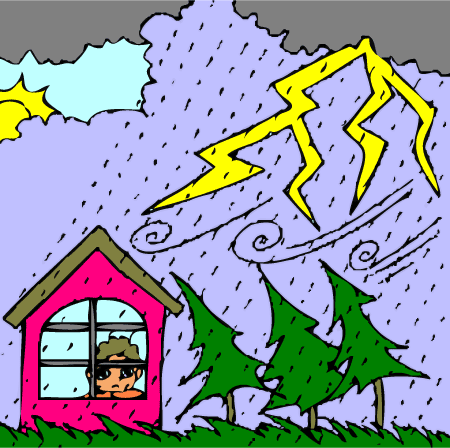
What would help us if we were caught in a storm?

  • Read to the children Isaiah 43:11, and ask them to point to a picture of Jesus when they hear the word “saviour.” Testify that because Jesus Christ suffered and died for us and was resurrected, He is the only one who can save us from our sins and from death.

What can save us from death? Medicine, exercise, science, eating healthy? These things may extend our life, but everyone eventually dies.

Who can save us from our sins? The bishop, a policeman, our parents?

Jesus paid the price for our sins so that we could be forgiven if we repent.

Keeping God’s commandments brings peace.

Isaiah 48:18

Come, Follow Me—For Primary: Old Testament 2022 “Isaiah 40–49”The Lord promises peace like “a river” and righteousness like “the waves of the sea” to those who keep His commandments.

  • Read to the children Isaiah 48:18. Invite them to move their hands and arms like a river and waves. Talk about how keeping God’s commandments has helped you feel peaceful like a river or strong like a wave.
  • Draw a river on the board. Help the children think of commandments God has given us. Write those commandments on pieces of paper (or draw simple pictures of them), and let the children take turns attaching the commandments to the river on the board. Help the children learn how keeping the commandments brings peace.

Red Crystal has some good activity ideas for this part of the lesson.

  • Sing together a song about commandments, such as “Keep the Commandments” (Children’s Songbook, 146–47). What does this song teach about why we should keep God’s commandments?

Friend September 2022 “Come, Follow Me Activities” Waves of the Seas

Story: Isaiah taught that if we keep the commandments, we will have peace like a river and “righteousness as the waves of the sea” (Isaiah 48:18).

Song: “Keep the Commandments” (Children’s Songbook, 146–47)

Activity: Make your own “waves of the sea”! Fill an empty bottle or jar halfway with water and turn it blue with food coloring. Fill the rest with oil. Put the cap on tightly. Then gently tilt the bottle back and forth to watch the waves! How does keeping the commandments help you feel peace?

Additional Resources

The Red Crystal “Isaiah 40-49”


Isaiah 13–14; 24–30; 35

Posted on

There was a war in heaven.

Isaiah 14:12–14

Come, Follow Me—For Primary: Old Testament 2022 “Isaiah 13–14; 24–30; 35” Before the world was created, Heavenly Father chose Jesus Christ to be our Savior. Isaiah 14:12–14 describes the pride that Satan showed in the premortal Council in Heaven.

  • Use “Introduction: Our Heavenly Father’s Plan” (in New Testament Stories, 1–3) or the song “I Lived in Heaven” (Children’s Songbook, 4) to tell the children about the War in Heaven before we were born. (As you do, include phrases from Isaiah 14:12–14 that describe Satan.) Then invite the children to take turns telling the story back to you. Emphasize that Jesus Christ followed Heavenly Father’s plan and became our Savior.

New Testament Stories “Introduction to Our Heavenly Father’s Plan” Images and video

  • On the board, draw a heart with the word Satan and a sad face inside it. Explain that Satan said in his heart, “I will exalt my throne above the stars of God” (Isaiah 14:13), which means that he wanted to be better than Heavenly Father. Invite a child to draw another heart, this one with the word Jesus and a happy face inside it. Help the children understand that Jesus wanted to do what Heavenly Father asked Him to do (see Moses 4:1–2). How can we follow Jesus’s example?

Jesus Christ was resurrected.

Isaiah 25:8

Come, Follow Me—For Primary: Old Testament 2022 “Isaiah 13–14; 24–30; 35” Jesus Christ can comfort the sorrow we feel about death. Because He gained victory over death, we will all be resurrected too.

  • Show a picture of the Resurrection of Jesus Christ, and ask the children to share what they know about the picture. If needed, share with them the story of Jesus being resurrected (see “Jesus Is Risen,” in New Testament Stories, 139–44). Play or sing a song about the Resurrection, such as “Jesus Has Risen” (Children’s Songbook, 70), and invite the children to share how it makes them feel to know that Jesus rose from the dead.

New Testament Stories “Jesus is Risen” Images and video

  • Tell the children about someone you know who has died. How do we feel when someone we love dies? Invite the children to draw a face of someone crying. Then read Isaiah 25:8 to them. What will Jesus do to our tears when we miss someone who has died? Invite the children to draw a happy face. Bear your testimony that because Jesus Christ was resurrected, we can feel comforted when someone dies and know that we will all be resurrected one day.

Friend December 2020 “A Christmas Song for Grandpa” Jennifer’s grandfather passed away on the day she is supposed to sing a solo at the Christmas community program. She is heartbroken but remembers that because of Jesus she will see her grandfather again. She decides to sing about Jesus at the program so she can share the light and hope Jesus gives.

Latter Day Kids Death and Resurrection”

For additional teaching resources see also Jesus Christ: Death & Resurrection

Apostasy means turning away from the Lord and His prophets.

Isaiah 24:3–529:7–1030:8–14

Come, Follow Me—For Primary: Old Testament 2022 “Isaiah 13–14; 24–30; 35” Reading Isaiah’s warnings about the dangers of apostasy can help the children resolve to stay true to the Lord and follow His prophets.

  • Write the word apostasy on the board. Invite the children to find a definition in “Apostasy” in the Guide to the Scriptures (scriptures.ChurchofJesusChrist.org). Invite them to read Isaiah 24:530:9–11 and make a list of things people were doing in Isaiah’s time that led them to apostasy. Then invite the children to change the items in the list to things we can do to stay true to the Lord.
  • Divide the class into pairs, and assign each pair to read one of the following passages: Isaiah 24:3–5Isaiah 29:7–10; or Isaiah 30:8–14. Invite them to draw pictures that represent what they read. As they share their drawings, help them discuss what Isaiah’s words teach about why we should stay true to the Lord.

When individuals or groups of people turn away from the principles of the gospel, they are in a state of apostasy.

To warn about the consequences of turning away from the Lord and rejecting His prophets, Isaiah used a variety of metaphors. These include an empty earth (Isaiah 24:1–12), drunkenness (Isaiah 28:7–8), hunger and thirst (Isaiah 29:7–10), and a broken wall or vessel (Isaiah 30:8–14). Based on what you read in these verses, why is it important to keep our covenants? Consider what you are doing to stay true to the Lord and His servants. (Come, Follow Me—For Individuals and Families: Old Testament 2022 “Isaiah 13–14; 24–30; 35”)

The Great Apostasy “News with the Naylors” Lesson ideas

Media Library “Apostasy”

Doctrine and Covenants Stories “Introduction: Before the Doctrine and Covenants” Story, images and video. The last part is about the apostasy and restoration

The Lord restored His Church through Joseph Smith.

Isaiah 29:12, 14

Come, Follow Me—For Primary: Old Testament 2022 “Isaiah 13–14; 24–30; 35” The Restoration of the gospel is “a marvellous work and a wonder” (Isaiah 29:14). Share with the children some of the marvelous things the Lord did—and continues to do—to restore His gospel in our day.

  • Invite the children to tell you what they know about Joseph Smith. If needed, share with them “Joseph Smith’s First Vision” (in Doctrine and Covenants Stories, 9–12). Read Isaiah 29:12, and explain that even though Joseph Smith was not considered “learned” by many people, Jesus Christ restored the gospel through him.

Doctrine and Covenant Stories “Joseph Smith’s First Vision”

Friend April 2020 “Jesus Christ’s Church” A father explains to his young daughter what restoration means.

  • Read Isaiah 29:14 to the children, and share with them other words that mean the same thing as “marvellous” and “wonder.”

Marvellous

  1. causing great wonder; extraordinary.
  2. extremely good or pleasing; splendid.”

Wonder

  1. feeling of surprise mingled with admiration, caused by something beautiful, unexpected, unfamiliar, or inexplicable.
  • Display items that represent some of the Lord’s marvelous works during the latter days, such as a picture of the First Vision or of Joseph Smith receiving the priesthood (see Gospel Art Book, nos. 909394) or a copy of the Book of Mormon. Invite the children to choose an item and share why it is marvelous to them.

Friend April 2018 “What the Restoration Means to Me”

The Restoration of the gospel is a “marvellous work.”

Isaiah 29:13–15, 18, 24

Come, Follow Me—For Primary: Old Testament 2022 “Isaiah 13–14; 24–30; 35” How can you help the children understand that they are part of the Lord’s “marvellous work” (Isaiah 29:14) of the latter days?

  • Show pictures of some of the marvelous events that happened as the gospel was restored (see Gospel Art Book, nos. 90–95, or this week’s activity page). Read together Isaiah 29:14, 18, 24, and invite the children to find words and phrases that relate to the events in the pictures. Ask the children how they can help with the Lord’s “marvellous work” (verse 14).

Friend April 2020 “Helping with the Restoration” In 1820, Heavenly Father and Jesus Christ appeared to Joseph Smith. The Restoration of the gospel began that day 200 years ago. It continues today! Here are four ways you can help with the Restoration and prepare for the time when Jesus will return:

  • Share a brief experience to help the children understand what restoration means. For example, talk about something that was lost and how you found it. Help the children compare this to the Restoration of the gospel. According to Isaiah 29:13–15, why do we need the Restoration? What marvelous works did the Lord do to restore His gospel?

Friend May 2007 “Restoration” Whitney’s mother wants to restore her grandmother’s old armoire because it reminds her of her grandmother. Whitney suggests they could paint it white and add fancy handles. But her mother says, “No, I want to restore it. Restore means to bring something back to the way it was originally. I want it to look just the way it did when my grandmother used it.” (Activity: Cut out the puzzle pieces and put them together to form a picture. When you have all of the pieces in the right places, the picture will be “restored”!

Friend May 2011 “The Church of Jesus Christ Has Been Restored” Hidden in the picture of Joseph in the Sacred Grove are items related to the restoration of the Church.

  • Gold plates (the word of the Lord)
  • Kirtland Temple (temple work)
  • Sacrament tray (remembering Jesus Christ)
  • Missionary name tag (missionary work)
  • Baptismal font (covenanting with the Lord)
  • Keys (the priesthood)
  • Dove (the Holy Ghost)

Isaiah’s teachings point me to Jesus Christ.

Isaiah 14:325:828:16

Come, Follow Me—For Primary: Old Testament 2022 “Isaiah 13–14; 24–30; 35” Isaiah’s teachings can point the children you teach to the Savior and help them remember the things He has done for them.

Friend September 2022 “Isaiah Teaches about Jesus Christ”

  • Write the following scripture references on separate pieces of paper: Isaiah 14:3Isaiah 25:8Isaiah 28:16Matthew 11:28–301 Corinthians 15:53–57Helaman 5:12. Give the papers to the children, and invite them to write on the papers the truths they learn from the verses and work together to match the verses that teach similar truths. According to these verses, what great things has the Lord done for us?
  • Ask the children to choose a phrase from Isaiah 14:325:8; or 28:16 that reminds them of Jesus Christ. Invite them to write the phrase on a piece of paper and draw a picture of the Savior that they can display in their homes.

Come, Follow Me—For Individuals and Families: Old Testament 2022 “Isaiah 13–14; 24–30; 35”

Has your family ever experienced the blessing of a safe shelter during a storm or of shade on a hot summer day? (see verse 4). Talk about this as you read these verses and other descriptions of the Lord found in Isaiah 25:4–9. How is the Lord like these things?

Isaiah 29:11–18.

Showing pictures of the Savior in Gethsemane, on the cross, and after His Resurrection can help your family see connections between these verses and Jesus Christ (see Gospel Art Book, nos. 56575859). Invite your family to share why they “rejoice in his salvation” (Isaiah 25:9).

Friend September 2022 “Scripture Match-up”

Additional Resources

The Red Crystal “Sept. 12-18, Isaiah 13-14”


Isaiah 1–12

Posted on

Isaiah CHAPTER 1 The people of Israel are apostate, rebellious, and corrupt; only a few remain faithful—The people’s sacrifices and feasts are rejected—They are called upon to repent and work righteousness—Zion will be redeemed in the day of restoration.

Who Is Isaiah?

Friend March 2024 “Who is Isaiah”

Come, Follow Me—For Individuals and Families: Book of Mormon 2020 Engraving on metal plates is not easy, and space on Nephi’s small plates was limited. So why would Nephi go to the tedious effort of copying a large amount of Isaiah’s writings into his record? In an article in the Ensign September 1998,  it explains that Nephi’s own commentary on Isaiah begins in 1 Nephi 19, where he tells us that in order to “more fully persuade them [Nephi’s people] to believe in the Lord their Redeemer” he would turn particularly to the prophet Isaiah (see 1 Ne. 19:23).

Friend December 2008 “Isaiah’s Prophecies” Prophecies from an Old Testament prophet regarding the life and second coming of the Savior.

Friend August 1994 “Isaiah and the Time Machine” Anthony was having a hard time following along during his family’s Book of Mormon study time. They were reading the words of Isaiah in 2 Nephi, and he didn’t understand them. Anthony loved playing in his pretend time machine and his father decided to help the children understand Isaiah by using the time machine. (Excellent story!)

Liahona February 2020 “Who Was Isaiah?”

Liahona March 2012  “How Can I Understand the Words of Isaiah?” Article includes the following: know Isaiah’s main topics, the reasons for studying Isaiah, the events of Isaiah’s days that he used symbolically, helpful hints to understanding his words,  etc.

Friend November 1994 “Isaiah” Isaiah prophesied of many things that would happen in his day and in the future. This article includes an explanation of Isaiah’s most quoted prophecies.

Because of Jesus Christ, I can repent and be clean.

Isaiah 1:2–4, 16–19

Come, Follow Me—For Primary: Old Testament 2022 “Isaiah 1–12” Isaiah lived in a time when many of his people had turned away from the Lord. But the Lord promised them that their sins could be forgiven if they repented. He makes this promise to us as well.

  • Ask the children to read Isaiah 1:2–4 and talk about some of the reasons the Lord was not happy with the people of Judah. Then read Isaiah 1:16–19 together to learn what the Lord invited the people to do. As needed, help the children understand difficult words and phrases. To help them visualize verse 18, display something bright red and something pure white. What do we learn about Jesus Christ’s mercy from these verses? Invite the children to share how they feel about Jesus Christ’s gift of forgiveness, and share your feelings as well.

Friend February 1996 “Matt and Mandy”

Gathering Zion (Facebook)

Or you could demonstrate how stains can be removed from clothing. How is the Lord’s message in these verses different from what Satan wants us to believe?

See also: New Era February 2016 “Scarlet, Crimson, Snow, and Wool”

  • Help the children memorize Isaiah 1:18. Write the verse on the board, and invite the children to recite it several times, erasing one word each time until they can recite it from memory. You could also use paper strips with words from the verse written on them. Why is it important to always remember what this verse teaches? Discuss how being baptized and partaking of the sacrament make this promise available to us.

Have a child cover the words below with paper strips after each time the class repeats the scripture.

In the temple we learn about Jesus Christ.

Isaiah 2:2–3

Come, Follow Me—For Primary: Old Testament 2022 “Isaiah 1–12” Isaiah foresaw a time when the temple, “the mountain of the Lord’s house,” would attract people from “all nations.” You can use this prophecy to help the children look forward to the time when they can go to the temple.

  • Ask the children to draw a picture of their home. Then read together Isaiah 2:2, and invite them to draw a picture of “the Lord’s house,” which is a temple. Read verse 3 together, and invite them to add to their pictures many people coming to the temple, including their families. Why do we want to go to the Lord’s house? Share your testimony of the blessings that come as we learn about the Lord in His house.

Friend September 2019 “Funstuff: Temples in Our Day” Pioneers worked very hard to build temples. In fact, the Salt Lake Temple took 40 years of hard work and sacrifice to finish. Try drawing this holy temple using the letter A!

Friend July 2016

Friend July 2016

Come, Follow Me—For Home and Church: Book of Mormon 2024 “2 Nephi 11-19” Isaiah described the temple as “the mountain of the Lord’s house.” Your children might enjoy pretending to climb a mountain as you read 2 Nephi 12:2–3. Help them find phrases in these verses that describe why we have temples.

For the Strength of Youth “Ascend into the Hill of the Lord”

3 And many people shall go and say, Come ye, and let us go up to the mountain of the Lord, to the chouse of the God of Jacob; and he will teach us of his ways, and we will walk in his paths: for out of Zion shall go forth the law, and the word of the Lord from Jerusalem.

  • To illustrate the phrase “we will walk in his paths” from 2 Nephi 12:3, you could make a path on the floor, leading to a picture of a temple. As your children walk on the path, they could name things they can do to walk in the Lord’s paths.

Friend July 2020 “Bright Idea” I can follow Jesus Christ in small and simple ways.

Friend August 2023 “I Can Follow Jesus Christ”

Come, Follow Me—For Primary: Book of Mormon 2020

  • Let a child hold a picture of a temple, and ask the children to talk about what they see in the picture. Ask them what they like about the temple. Read together Isaiah 2:2–3 and have them listen for more reasons why we can love the temple. Tell the children why you love the temple.
  • Sing with the children a song about the temple, such as “I Love to See the Temple” (Children’s Songbook, 95). Help them find words and phrases in the song that teach what the temple is and what we do there.
  • Draw a path on the board, and place a picture of the temple or the Savior at one end (see Personal Development: Children’s Guidebook, 2–3). Let the children take turns drawing themselves walking on the path. As they do, invite them to repeat this phrase from Isaiah 2:3: “We will walk in his paths.” What can we do to walk in the Lord’s paths?

Friend October 2021 “Our Strong Foundation”

Friend November 2019 “Being an Example” Activity Included: Draw a line to match the pictures of Jesus with ways you can be kind too.

Friend July 2020 “Bright Idea” I can follow Jesus Christ in small and simple ways.

Friend December 2016

Friend March 2018 “Family Night Fun” Each person makes a pair of sandals and then writes on their shoes one way they want to follow Jesus.

Isaiah 2:1–5.

Family members could pick one of these verses and draw what it describes. What does the temple teach us about the Lord’s ways? How are we blessed as we “walk in the light of the Lord”? (Isaiah 2:5). (Come, Follow Me—For Individuals and Families: Old Testament 2022 “Isaiah 1-12”)

In the temple we learn about Jesus Christ.

Isaiah 2:2–5

Come, Follow Me—For Primary: Old Testament 2022 “Isaiah 1–12” Isaiah’s prophecy about “the mountain of the Lord’s house” reveals some of the blessings that come from worshipping in the temple, along with other blessings to come in the last days. Ponder how you will inspire the children to seek these blessings.

  • Ask the children to read about what Isaiah saw in Isaiah 2:2–3 and draw a picture of what they think it might have looked like. Explain that Isaiah called the temple “the mountain of the Lord’s house.” Why is a mountain a good symbol for the temple?

In ancient times, it was common for a prophet to go to the top of a mountain to commune with the Lord God. Thus, the term “mountain of the Lord” symbolically denotes any location where the Lord makes His divine will known to His holy prophets. Church News

  • Invite the children to read Isaiah 2:2–3, 5 and identify in each of these verses something that inspires them to go to the temple someday. Then read verse 4 together, and discuss how the temple helps bring about the peace described in this verse. Help them think of ways they can prepare now to go to the temple someday.

Liahona October 2010 “Your Path to the Temple” What happens inside the temple, the temple recommend, preparing now to enter the temple.

Friend September 2019 “What’s on Your Mind? The questions the Bishop or Branch President will ask during the temple recommend interview.

For the Strength of Youth “Ascend into the Hill of the Lord”

Isaiah prophesied of Jesus Christ.

Isaiah 9:6

Come, Follow Me—For Primary: Old Testament 2022 “Isaiah 1–12” All prophets testify of Jesus Christ, including those who lived long before He was born, like Isaiah. Consider what the children can learn about Jesus from Isaiah’s prophecy in Isaiah 9:6.

  • Share with the children “Isaiah the Prophet” (in Old Testament Stories). Pause periodically so the children can talk about what Isaiah knew about Jesus Christ many years before He was born. Read to the children Isaiah 9:6, and invite them to repeat with you each “name” that Isaiah said Jesus Christ “shall be called.”

Old Testament Scripture Stories “Isaiah the Prophet”

Friend September 2022 “Isaiah Teaches about Jesus Christ”

Write on slips of paper a few of the titles of Jesus Christ found in Isaiah 9:6 (see this week’s activity page). Invite each child to pick one, and help the child read the title to the class. Talk to the children about what each title means to you. Give a picture of Christ to one of the children, and ask him or her to share something about Jesus and then pass the picture to another child. Repeat this activity until all the children have had a chance to share.

  • Ask the children to give examples of titles a person might have, such as titles associated with a job, a calling, a team, or a family. What do these titles say about the person who has them? Help the children find titles of Jesus Christ in Isaiah 7:14 and 9:6–7. What does each of these titles teach us about Him? What else do we learn about Jesus Christ from these verses?

“How can Jesus Christ be both the Father and the Son? It really isn’t as complicated as it sounds. Though He is the Son of God, He is the head of the Church, which is the family of believers. When we are spiritually born again, we are adopted into His family. He becomes our Father or leader. …(M. Russell Ballard, “Building Bridges of Understanding,” Ensign, June 1998, 66–67).

Emmanuel, which being interpreted is, God with us.

Additional Resources

Come Follow Me with Living Scriptures “Learning from Isaiah” Introduction to Isaiah. Lesson ideas


Proverbs 1–4; 15–16; 22; 31; Ecclesiastes 1–3; 11–12

Posted on

Proverbs is a book of wise sayings.

A proverb is a short saying that is intended to teach a lesson about life. The book of Proverbs is a collection of many wise sayings collected by the Israelites. Some of these proverbs are attributed to King Solomon. Old Testament Seminary Student Material “Lesson 116: Proverbs 1–30”

Seek Wisdom

The book of Proverbs is filled with insights about wisdom. Consider marking the word “wisdom” and related words, like “knowledge” and “understanding,” as you find them chapters 1–4 and 15–16. Consider how you are seeking the Lord’s help to be “wise in heart” (Proverbs 16:21).

Your family might enjoy creating your own “book of Proverbs”—a collection of wise counsel from the scriptures and latter-day prophets.

Proverbs CHAPTER 1 The fear of the Lord is the beginning of knowledge—If sinners entice you, do not consent—Those who hearken to wisdom will dwell safely.

Proverbs CHAPTER 2 The Lord gives wisdom, knowledge, and understanding—Walk in the way of good men.

To “fear God” means to love and obey Him.

Proverbs 1:72:515:3316:6Ecclesiastes 12:13

“Come, Follow Me—For Primary: Old Testament 2022” One of the important messages in Proverbs and Ecclesiastes is to “fear God, and keep his commandments” (Ecclesiastes 12:13). Ponder how you can help the children understand what it means to fear God.

  • Invite the children to list some things that people might fear. Then ask them to read Proverbs 1:7 and Ecclesiastes 12:13. What does it mean to fear God? To help answer this question, ask a child to read the verses again, replacing the word “fear” with the word “reverence.” Repeat this activity with words like “love,” “obedience,” or “obey.” How does this change our understanding of what it means to fear God?

As used in this verse, fear means reverence, or “profound respect mingled with love. … Reverence embraces regard, deference [respect], honor, and esteem” (Teachings of Presidents of the Church: David O. McKay [2003], 30).

  • Invite each child to choose one of the following verses to read, looking for the word “fear”: Proverbs 1:72:515:3316:6. Ask the children to share what their verse teaches about blessings that come when we fear the Lord, which means that we show reverence and respect toward Him (see also Proverbs 14:26–27). How can we show the Lord that we love and respect Him?

Friend June 2021 “Respect for Sacred Things”

Friend June 1999 “Keep the Commandments”

Proverbs CHAPTER 3 Write mercy and truth upon the tablet of your heart—Trust in the Lord—Honor Him with your substance—Whom the Lord loves He corrects—Happy is the man who finds wisdom.

I can trust in the Lord with all my heart.

Proverbs 3:5

“Come, Follow Me—For Primary: Old Testament 2022” When we trust in the Lord with all our hearts, we have faith in Him and know that He will help us.

  • Let one of the children hold a picture of the Savior as you read Proverbs 3:5. Tell the children what trusting in the Lord means to you. Invite the children to make a heart with their hands or hold their hands over their hearts while repeating the phrase “trust in the Lord with all thine heart” several times.

Friend June 1998 When we trust someone, we believe in him or her. We feel sure the person will do what he or she promises to do. There is Someone we can always trust. We can always trust the Lord.

  • Draw a large heart on the board, and help the children think of things they can do to show that they trust the Lord. Invite them to draw their ideas inside the heart or on a piece of paper. Encourage them to share their ideas with their families.

“Faith in Jesus Christ” (August 2019 Friend)
Make a path through your home that includes objects representing how you show faith in Jesus Christ.

(Or you could have pictures or objects of ways you can show your faith. Have the children choose one and tell how it shows their trust in God. Some additional ideas: a picture of people going to church, picture of a child praying, a picture of the ten commandments or children being kind and obeying the commandments.

“Trust in the Lord with all thine heart.”

Proverbs 3:5–7

  • Read together Proverbs 3:5–7, and invite the children to list the things these verses say we should do and should not do. Ask them what they feel each of these things might mean. What qualities do we find in people we trust? What qualities does the Lord have that help us trust Him?
  • To show what it means to “lean not unto thine own understanding,” let the children try leaning a stick or a pencil against various objects, such as a book or a piece of paper. Which objects worked best? Why is it important to “trust in the Lord” and not lean on our “own understanding”?

Come, Follow Me—For Individuals and Families Old Testament 2022 To help family members visualize what these verses teach, you could invite them to lean against something sturdy and stable, like a wall. Then they could try leaning against something that is not sturdy, like a broom. Why should we “lean not unto [our] own understanding”? How can we show that we trust Jesus Christ with all our hearts?

Friend November 2019)

In English the word lean has a connotation of physically listing or moving to one side. When we physically lean toward one side or another, we move off center, we are out of balance, and we tip. When we spiritually lean to our own understanding, we lean away from our Savior. If we lean, we are not centered; we are not balanced; we are not focused on Christ. (Ensign May 2017 “Trust in the Lord and Lean Not ”

Proverbs 4 describes wisdom and righteousness as a “path” or a “way” (see also Proverbs 3:5–6). As you read this chapter, you might find passages that help you ponder “the path of thy feet” (verse 26) and how your steps are drawing you closer to the Lord. For example, what do verses 11–12 and 18–19 teach about the blessings of following the right path? What do verses 26 and 27 mean to you?

“Ponder the path of thy feet.”

Proverbs CHAPTER 4 Keep the commandments and live—With all your getting, get understanding—Go not in the way of evil men.

Come, Follow Me—For Individuals and Families Old Testament 2022

Proverbs 4 describes wisdom and righteousness as a “path” or a “way” (see also Proverbs 3:5–6). As you read this chapter, you might find passages that help you ponder “the path of thy feet” (verse 26) and how your steps are drawing you closer to the Lord. For example, what do verses 11–12 and 18–19 teach about the blessings of following the right path? What do verses 26 and 27 mean to you? See also 2 Nephi 31:18–21.

Liahona September 2022 “Seeking Spiritual Guidance: Come, Follow Me Family Fun”

  1. Place a picture of the Savior on one side of a large open area or room.
  2. Stand on the opposite side of the room. Take turns blindfolding each family member, spinning them in a circle, and then seeing if they can walk to the picture of Jesus Christ without any help.
  3. Read Proverbs 4:26–27.

Discussion: What types of help have we been given in this life to keep us on a path that leads to Jesus Christ? For further discussion, read Proverbs 3:5–6. What actions do we need to take to trust the Lord with all our hearts?

I can use kind words.

Proverbs 15:1, 18

“Come, Follow Me—For Primary: Old Testament 2022” In tense or frustrating situations, we may be tempted to respond with anger. Proverbs 15:1, 18 teaches us how we can turn away anger.

  • Read Proverbs 15:1 to the children, and explain any words or phrases that might be unfamiliar to them. Share a few examples of situations in which a child might feel angry (such as an argument with a brother or sister). Help them think of “soft answers,” or kind words, they could use instead of angry words. Help them practice saying these things softly or in a calm voice.

Friend October 2019 “Words Matter” The words we say make a big difference. Trace your finger along the lines to see how the words you say can make others feel. Also, make some kind notes to give to others.

Friend January 2018 “Lucas and the Bully” Lucas stood up to a bully, but the words he used hurt the bullies feelings. Lucas apologizes and invites the bully to play and they become friends

Latter Day Kids “Kind Words” Lesson ideas

Friend September 2022 “Jack Uses Kind Words” Throughout the day Jack uses kind words like please and thank you. (Read the story to the children, then read each of the kind words on the list and have them repeat them. Next read each sentence in the story again and have the children tell you which word was the kind word.)

Friend May 2019 “Choosing Kind Words” Selene called Adriana a mean name when she missed the ball. Adriana told Selene that it hurt her feelings and asked her not to say that. Selene apologized. (Also a lesson idea about kind words children can use and when to use them. Have children tell which ones Adriana and Selene used.)

  • Sing a song about kindness, such as “Kindness Begins with Me” (Children’s Songbook, 145). What does the song teach us about being kind?
  • To help the children understand what it means to be “slow to anger” (Proverbs 15:18), tell a personal story about when you (or someone you know) felt angry but chose to be kind. Let the children share their own experiences too. Help the children think of things they can do instead of becoming angry. For example, they could think about Jesus, ask Heavenly Father to help them, sing a Primary song to themselves, or, if possible, just walk away.

Friend May 2019 “Choose to Be Kind” A girl pushed her way to the front of the line at the bus stop and sat where Samuel and his friend, Mike, had planned on sitting. This started an argument, but Samuel chooses to be kind instead of right, and figures out a solution.

Friend September 2018 “Show and Tell” “One day I wanted to sit by a bully at school to be friends with her. She yelled at me to go away. I wanted to get her back with my words. But I held my tongue and said, “It’s OK. I’ll sit by someone else.” When I walked away, I felt good for what I did.” Elijah V., age 12, Arizona, USA

Friend March 2022 “What’s on Your Mind?” Sometimes my siblings and I argue and fight. What can I do to get along with them better? (See more at link)

Practice: How do our words affect the spirit in our home? Perhaps family members could practice giving “a soft answer” to “grievous words” and try to use what they learn in their interactions with each other. Come, Follow Me—For Individuals and Families Old Testament 2022

“A soft answer turneth away wrath.”

Proverbs 15:1, 1816:32

“Come, Follow Me—For Primary: Old Testament 2022” Speaking in anger often makes a tense situation even worse. These verses teach that our words and our attitudes can turn away wrath or anger.

  • Write the words wrath and strife on the board, and share an example of an argument that children might have. Then ask the children to read Proverbs 15:1, 1816:32 and find advice they could give to the children who are arguing. Each time the children share an idea, invite them to erase part of the words on the board. Invite them to replace those words with others describing Christlike attributes that bring peace.


“Cease From Anger”
 (February 2010 Friend)
Take this quiz to see how forgiving you are. When we are loving and forgiving, we can be peacemakers.

This image has an empty alt attribute; its file name is Screen-Shot-2021-09-18-at-9.28.22-AM-783x1024.png

Friend May 2019 “Choose to Be Kind” A girl pushed her way to the front of the line at the bus stop and sat where Samuel and his friend, Mike, had planned on sitting. This started an argument, but Samuel chooses to be kind instead of right, and figures out a solution.

Friend September 2018 “Show and Tell” “One day I wanted to sit by a bully at school to be friends with her. She yelled at me to go away. I wanted to get her back with my words. But I held my tongue and said, “It’s OK. I’ll sit by someone else.” When I walked away, I felt good for what I did.” Elijah V., age 12, Arizona, USA

Friend May 2019 “What’s on Your Mind” Ideas on how to get along with siblings.

This image has an empty alt attribute; its file name is fullsizeoutput_17c0-1024x337.jpeg
This image has an empty alt attribute; its file name is Screen-Shot-2019-06-02-at-8.52.09-PM-1024x306.png
This image has an empty alt attribute; its file name is Screen-Shot-2019-06-02-at-8.45.47-PM-1024x307.png
This image has an empty alt attribute; its file name is Screen-Shot-2019-06-02-at-8.45.54-PM-1024x314.png
  • Help the children think of accounts in the scriptures when the Savior exemplified what is taught in Proverbs 15:1, 1816:32. For ideas, they could look in John 8:1–1118:1–11. Sing together a song about the Savior’s example, such as “I’m Trying to Be like Jesus” (Children’s Songbook, 78–79). How can we follow Jesus’s example as we interact with family members, friends, and others?

Friend September 2022 “Come, Follow Me Activities”

Story: Proverbs is a book of wise sayings. One proverb says to “trust in the Lord with all thine heart” (Proverbs 3:5). Another proverb says that “a soft answer turneth away wrath” (Proverbs 15:1).

Song: “Kindness Begins with Me” (Children’s Songbook, 145)

Activity: On page 40 read about using kind words. Then cut out some paper hearts and write kind notes or helpful sayings on them to give to others. You could even hide the hearts for others to find!

Friend September 2022 “What’s on Your Mind”

Friend November 2019 “Kindness Flowers” A kindness game like the game “hangman” you can play with a friend or family member. Think of a kind word that describes the other person.Have the other person guess which letters are in the mystery word. If they guess correctly, write that letter in the blank. If they guess a letter that’s not in the word, draw a petal on the flower and write that letter in it.’

I can share what I have with others.

Proverbs 22:9

“Come, Follow Me—For Primary: Old Testament 2022” Young children can learn to help people around them who are in need. How can you inspire them to share what they have with others?

  • Show the children several pictures of others serving or helping people in need, including pictures of the Savior (such as Gospel Art Book, nos. 424446). Ask the children to tell you what is happening in each picture. Read to the children Proverbs 22:9. Explain that one way we can serve is by giving “bread to the poor,” but there are many other ways to help those in need. Invite the children to draw a picture of themselves helping someone.
  • Bring to class several objects that you can share with the children, such as pictures or crayons. As you give one to each child, say, “I will share with [child’s name].” Let the children take turns sharing the objects with each other. What are some other things we can share with others?

Friend March 2020 “Harry Shares” Harry is playing with toys. He is having fun. Harry sees a girl who looks sad. Harry shares toys with her. Now they are both having fun!

  • Sing together a song about service, such as “‘Give,’ Said the Little Stream” (Children’s Songbook, 236). Or show the video “Gordon Hinckley: Lessons I Learned as a Boy” (ChurchofJesusChrist.org). Ask the children how they feel when they help others.

Additional Resources

The Red Crystal


Psalms 102–103; 110; 116–119; 127–128; 135–139; 146–150

Posted on

God’s word is like a light.

Psalm 119:105

Come, Follow Me—For Primary: Old Testament 2022 The children you teach are on the path back to Heavenly Father. The word of God can help keep them on that path now and throughout their lives.

  • Show pictures of the things mentioned in Psalm 119:105, and invite the children to put the pictures in order as you read the verse. Ask the children to repeat phrases from the verse with you as you point to the pictures.

Latter Day Kids “A Light Unto My Path” Lesson ideas

  • Invite the children to talk about what it feels like to be in the dark. What are things that are hard to do in the dark? You might invite a child to try to do something with their eyes closed, like drawing a picture. Why are these things easier to do when there is light? Help the children understand how the word of God, as found in the scriptures and the words of living prophets, lights our way back to Heavenly Father.

God’s word helps me follow His path.

Psalm 119:105

Come, Follow Me—For Primary: Old Testament 2022 Although the world may seem dark at times, God’s word can illuminate our path and help us return to Him.

  • Draw on the board a picture of a light (such as a lamp) and a picture of the scriptures. Invite the children to read Psalm 119:105. How does light help us? How does the word of God help us? Ask the children to write their answers on the board next to the pictures. How is the word of God like a light? How does it help us stay on the path that leads back to Heavenly Father?

Come, Follow Me—For Individuals and Families: Old Testament 2022 Perhaps your family could create a path and walk along it in the dark, using a light to illuminate the way ahead. As you walk, you could ask questions like “What in our lives is like this darkness?” or “How is the word of God like a light?” Singing a song about God’s light, such as “Teach Me to Walk in the Light” (Children’s Songbook, 177), can help you reinforce the principle taught in Psalm 119:105.

  • Divide the children into pairs, and give each pair one of the following scripture passages: Psalm 119:47–48Psalm 119:1051 Nephi 11:252 Nephi 31:20. Invite them to read the passages and look for what Heavenly Father has given us to help us stay on the path back to Him. Invite the children to ponder and share what they feel inspired to do because of what they have learned.
  • Sing together a song about following God’s path, such as “I Will Walk with Jesus” (ChurchofJesusChrist.org). What do we learn from this song about how to stay on the right path?

For the Strength of Youth “A Lamp to Our Feet” (See more at link)

The Lord offers me comfort and hope.

Psalms 102:1–2103

Come, Follow Me—For Primary: Old Testament 2022 God is aware of our trials and sorrows, and He wants to comfort and encourage us. Help the children build their faith in Him so they will turn to Him in times of need.

  • Ask one of the children to read Psalm 102:1–2. How can the Lord help us during our times of trouble? How do we ask for His help? Share an experience in which you felt that God heard your prayers when you were in need, and invite the children to share their experiences and testimonies.

Friend March 2019 “Missing Mom and Dad” Dylan’s mom and dad were going on a trip, and he was going to stay with his grandparents. He loved staying with his grandparents, but for some reason he was scared about being away from his mom and dad for so long. He decided to pray for help, and he received comforting thoughts and feelings.

  • Invite the children to find words of comfort and hope in Psalm 103. How could these words help people facing challenges? Encourage the children to write down phrases they found meaningful to remind them that the Lord can help them when they have trials.

Could draw a sad face on the board and have the children erase parts (or change them) as they find a word or phrase that helps remind them that the Lord can help them with trials.

3 Who forgiveth all thine iniquities; who healeth all thy diseases;

Who redeemeth thy life from destruction; who crowneth thee with loving kindness and tender mercies;

Who satisfieth thy mouth with good things; so that thy youth is renewed like the eagle’s.

The Lord executeth righteousness and judgment for all that are oppressed

Building our homes with the Lord

Psalms 127–28.

Come, Follow Me—For Individuals and Families: Old Testament 2022 What does it mean for the Lord to help us “build [our] house”? (Psalm 127:1). How can we better involve Him in our efforts to create a righteous home? To help your family answer this question, you might draw a house on a piece of paper and cut it into puzzle pieces. On the back of each piece, family members could write or draw ways to make the Lord part of your home. Then you could put the puzzle together. What else do we find in these psalms that inspires us to walk in the Lord’s ways?

Hubbard’s Cupboard Click on the link to print the 6 pieces of this house. The children (or family members) could each write a way to create a righteous home on the front of a piece and then they could build the house together. Or each child (or family member) could draw a part of the house on a paper or chalkboard as they mention ways make a righteous home.

Heavenly Father and Jesus Christ know me and love me.

Psalm 139:1–3, 23

Come, Follow Me—For Primary: Old Testament 2022 Throughout our lives, we need to be reminded that Heavenly Father and Jesus know us personally. Psalm 139 can help you teach the children that They know them and love them.

  • Make short lists of things you know about each child. As you read the lists one at a time, ask the children to guess who you are describing. Read Psalm 139:1–3, and help the children understand words they might not know. Testify that Heavenly Father and Jesus know them very well—They know their names, what makes them happy and sad, and things they do well.

Friend August 2022 “Come, Follow Me Activities”

Guess Who

Song: “I Feel My Savior’s Love” (Children’s Songbook, 74–75)

Activity: Write each person’s name on a small piece of paper and put it in a box or bowl. One person pulls out a name. Each person takes a turn to ask yes or no questions until someone guesses the name. Talk about how our Heavenly Father knows us—our name, what we like to do, and everything about us.

“Heavenly Father Loves Me, and He Has a Plan for Me” (January 2013 Liahona and Friend)Nathaniel knows his grandma loves him because she knew the things he liked. His grandma explained that was someone else who had known him and loved him longer than anyone, before he even came to earth. Heavenly Father

  • Read Psalm 139:23, and invite the children to put their hands on their hearts when you say “heart” and to touch their heads when you say “thoughts.” Share a time when you felt God knew your heart and your thoughts.

Friend April 2016 “Your Future Home” Story of President Eyring’s desire for a home full of charity that he wanted for his family when he grew up. He didn’t talk to anyone about those feelings, but when he got his patriarchal blessing the patriarch described what he had been yearning for. It was not secret, because God knew.

"Your Future Home"

Heavenly Father and Jesus Christ can help me know how to improve.

Psalm 139:23–24

Come, Follow Me—For Primary: Old Testament 2022

Psalm 139 teaches that God knows everything about us, including our strengths and weaknesses. If we turn to Him, He can teach us what we need to do to become more like Him.

  • Write the words of Psalm 139:23–24 on the board, and invite the children to underline words that describe things God can do for us. Why would we want God to do these things? How can we invite Him to “lead [us] in the way everlasting”?

Friend August 2020 “Let God Prevail!” President Russel M. Nelson tells what it means to let God prevail in our lives.

Friend January 2021 “The Party Problem” Luz felt uneasy about going to a graduation party. It didn’t sound like the kind of party where she’d be able to feel the Holy Ghost. She thought about it, made her choice not to go, and then asked Heavenly Father if that was the right choice. Afterwards she felt a wave of warmth and light and knew she had made the right choice.

  • Encourage the children to “search” their own lives for ways they can improve in the four areas of focus in the Children and Youth program—spiritual, social, physical, and intellectual. Remind them that the Lord knows how they can improve in each of these areas, and encourage them to seek His guidance.

Friend June 2021 “Children and Youth Challenge” Do some activities from this board for the Children and Youth program! Can you cross off five in a row?

  • Sing a song about how Heavenly Father can help us improve, such as the second verse of “Help Me, Dear Father” (Children’s Songbook, 99). Share how Heavenly Father and Jesus Christ have helped you improve.

I can praise the Lord.

Psalm 146:1, 5–9

Come, Follow Me—For Primary: Old Testament 2022 To praise the Lord means to express our gratitude and love for Him. Help the children learn that we are praising Him when we do things like sing, pray, and obey His teachings.

  • Invite the children to share experiences when someone praised them or told them they did a good job. Share some of the good things from Psalm 146:6–9 that the Lord has done, and invite the children to talk about other things He does for us. Help them think of ways they can praise Him for those things.

Friend November 2004 “Blessings Tree” Cut out the leaves and place them in a sack. Have the children take turns picking a leaf from the sack, telling how the item written is a blessing, and gluing it to the tree. When they pick a blank leaf, have them share a blessing of their choice that they are thankful for. Then write the blessing on the leaf and glue it to the tree.

  • Sing together a song of praise, such as “Beauty Everywhere” (Children’s Songbook, 232–33). Explain that for the Israelites long ago, the Psalms were like the songs we sing today to worship and praise God.

Come, Follow Me—For Individuals and Families: Old Testament 2022 You might invite your family to read a few verses of Psalms 146–50 out loud, trying to convey the feelings of the writer. How can we express our praise to the Lord? Family members might enjoy writing their own psalms of praise and sharing them with each other.

Friend August 2022 “Write a Psalm”

Friend November 2010 “Bright Idea”

Come, Follow Me—For Individuals and Families: Old Testament 2022 The traditional Jewish name for the book of Psalms is a Hebrew word that means “praises.” That word, Tehillim, is also related to the exclamation “hallelujah” (meaning “praise Jehovah” or “praise the Lord”). If you had to choose one word to sum up the main message of the Psalms, “praise” would be a good choice. Some of the Psalms contain the direct invitation to “praise ye the Lord” (see especially Psalms 146–50), and all of them can inspire a feeling of worship and praise. The Psalms invite us to reflect on the Lord’s power, on His mercy, and on the great things He has done. We can never repay Him for any of this, but we can praise Him for it. That praise may take different forms for different people—it may involve singing, praying, or bearing testimony. It often leads to a deeper commitment to the Lord and to following His teachings. Whatever “praise ye the Lord” means in your life, you can find more inspiration to do it as you read and ponder the Psalms.

Friend October 1989 “Sing Praises” Lesson ideas and activity. (Activity: Look up scriptures where people in the scriptures sang praises to the Lord and then fill in the blanks.)

Additional Resources

The Red Crystal Lesson ideas


 Psalms 49–51; 61–66; 69–72; 77–78; 85–86

Posted on

PSALM 49 Men cannot be ransomed or redeemed by wealth—God alone can redeem a soul from the grave—The glory of a rich man ceases with his death.

PSALM 50 Asaph speaks of the Second Coming—The Lord accepts the sacrifices of the righteous and will deliver them—Those whose conduct is right will see the salvation of God.

When I make a wrong choice, Jesus Christ can help me change.

PSALM 51 David pleads for forgiveness after he went in to Bathsheba—He pleads, Create in me a clean heart, and renew a right spirit within me.

Psalm 51:10

Come, Follow Me—For Primary: Old Testament 2022 Help the children understand that mistakes are part of mortal life and that we can receive help from Jesus Christ to overcome them.

  • Share a simple story, from your life or from the Friend or Liahona, about a child who made a wrong choice but received help from the Savior to be better (for example, see the video “The Shiny Bicycle” at ChurchofJesusChrist.org). Read Psalm 51:10, and share the joy you feel when the Savior helps you have “a clean heart” and “a right spirit.”
  • Show the children this week’s activity page. Point to each picture, and ask the children to describe what they see. Read the captions to help the children learn about repentance and forgiveness.

Repentance is a change of heart.

Psalm 51

Come, Follow Me—For Primary: Old Testament 2022

  • Assign each child to read one of the scripture references on this week’s activity page. Ask them to find words that teach them something about repentance. Let them write the words on the board. After everyone has shared, ask the children how they would answer a friend who asks, “What does it mean to repent?”
  • Draw a heart on the board. Ask the children to name some sins that Satan tempts us to commit. Write those sins inside the heart. Ask the children to find the word heart in Psalm 51:10, 17. What do these verses teach us about repentance? (see also verse 6). Help the children understand that even if we stop committing sin, our hearts need to change in order for us to repent. Ask the children to erase the sins in the heart on the board and to write new words that describe the change in our hearts when we repent. Share your testimony that God can “create in [us] a clean heart” when we repent (verse 10).

Psalm 51:17.

  • Consider how you might teach your family what it means to have a broken heart. For example, family members could take turns breaking open something that has a hard shell, like an egg or a nut. How are our hearts sometimes like that shell? How can we open our hearts to the Lord? Reading Psalm 51 together might provide some ideas. (Come, Follow Me—For Individuals and Families: Old Testament 2022)

Liahona August 2022 “What Can Psalm 51 Teach Us about Repentance?”

Latter Day Kids “Repentance and A New Heart” Lesson ideas

The Lord is My Shelter

PSALM 61 David finds shelter in the Lord, abides in the Lord’s presence, and keeps his own vows.

Psalm 61:2–3.

Family members might enjoy drawing pictures of the symbols in these verses and discussing how Jesus Christ is like a high “rock,” “a shelter for [us],” and “a strong tower.” (Come, Follow Me—For Individuals and Families: Old Testament 2022) Verse four also talks about cover of wings.

“I will remember the works of the Lord.”

PSALM 66 Praise and worship the Lord—He tests and tries men—Sacrifices are to be offered in His house.

PSALM 77 The righteous cry unto the Lord—They remember the wonders of old, how He redeemed the sons of Jacob and led Israel like a flock.

PSALM 78 The Israelites are to teach the Lord’s law to their children—Disobedient Israel provoked the Lord in the wilderness—The Egyptian plagues are recounted—The Lord chooses and blesses Judah and David.

Psalms 66:1677:1178:7

Come, Follow Me—For Primary: Old Testament 2022 The Israelites taught their children about the miracles God had done for them so that the children “might set their hope in God” (Psalm 78:7).

  • Ask the children to share with you some of their favorite stories from the scriptures (pictures from the Gospel Art Book might help them think of stories). Why do they like these stories? What do these stories teach us about the Lord? Read together Psalms 77:1178:7. Why is it important to “remember the works of the Lord”?
  • Read to the children Psalm 77:11, and tell them how you try to “remember the works of the Lord,” including His works in your life. Invite the children to draw pictures to help them remember the great things He has done.
  • Ask the children to read Psalm 66:16 and think about or write down answers to the question “What has the Lord done for my soul?” Then let them share their answers, if they’d like. What can we do to “always remember” (Moroni 4:35:2) what the Lord has done for us?

Friend February 2021 “The Savior and Me” 

Psalms 71:1778:5–7.

What does the Lord want you to “make … known to [your] children”? (Psalm 78:5). Perhaps each family member could share an example of the Lord’s “wondrous works,” such as a scripture story, an experience, or a personal testimony, that helps them “set their hope in God” (Psalms 71:1778:7). (Come, Follow Me—For Individuals and Families: Old Testament 2022)

I can tell others about Jesus Christ.

PSALM 71 David praises God with thanksgiving—Who is like unto the Lord!

Psalm 71:8

Come, Follow Me—For Primary: Old Testament 2022 The faith-filled words of a child have unique power to touch hearts. Give the children confidence that their testimony of Jesus Christ can help others.

  • Read to the children Psalm 71:8, and draw a large mouth on the board. Ask them to help you “fill” the mouth with things we can tell others about Jesus Christ.

Friend January 2019 “Something Special to Share” Diego wants to take something special to share for Show and Tell. He decides to take a picture of Jesus and tell them that Jesus loves everyone.

[unitegallery 2019Januar]

  • Pass around a picture of Jesus Christ. Ask the children to take turns holding the picture and saying one thing they know about Him. What has He done for us? (Pictures in the Gospel Art Book could provide some ideas.)

Friend April 2019 “God’s Great Gift”

All Nations Will Call Him Blessed

Psalm 72. David speaks of Solomon, who is made a type of the Messiah—He will have dominion—His name will endure forever—All nations will call him blessed—The whole earth will be filled with the glory of the Lord.

(Come, Follow Me—For Individuals and Families: Old Testament 2022)

Psalm 72 was written by David about his son Solomon, but much of it can also apply to Jesus Christ. As your family reads this psalm, they could hold up a picture of the Savior when they find verses that remind them of Jesus Christ. How can we help fulfill the desire that “the whole earth be filled with his glory”? (Psalm 72:19; see also Doctrine and Covenants 65:2).

The Restoration

PSALM 85 The Lord speaks peace to His people—Truth will spring out of the earth (the Book of Mormon), and righteousness will look down from heaven.

Psalm 85:11.

This verse could inspire a discussion about events of the Restoration of the gospel—how the Book of Mormon is truth that “[sprang] out of the earth” and how heavenly messengers came “down from heaven” (see also Moses 7:62). The video “Preparation of Joseph Smith: Tutored by Heaven” (ChurchofJesusChrist.org) depicts some of these events.

Heavenly Father hears and answers my prayers.

PSALM 86 David implores God for mercy and is saved from the lowest hell—The Lord is good and generous in mercy—All nations will worship before Him.

Psalm 86:7

Come, Follow Me—For Primary: Old Testament 2022 Many of the psalms are like prayers to God for help, guidance, or protection. Consider how you can help the children build their faith that Heavenly Father hears and answers them when they pray.

  • Ask the children how they talk with people who live far away. Show them things we can use to communicate, such as a phone or a letter. Read to them Psalm 86:7. How do we “call upon” Heavenly Father? How does He answer us?

Little LDS Ideas “Answers to Prayers from Heavenly Father Come in Many Ways” Includes lesson ideas

  • Invite the children to act out things they do every day, such as waking up, eating breakfast, leaving for school, or going to bed. Help them find times during the day when they can pray to Heavenly Father. Testify that we can pray to Him anytime, and He will always hear us.

“Prayer is Reverent Communication Between God and Me” (October 2011 Friend)
Create a matching game showing different situations where children are praying. Includes discussion point suggestions.

  • Sing together a song about prayer, such as “A Child’s Prayer” (Children’s Songbook, 12–13). Tell about a time when God answered your prayers.

The Lord wants to forgive.

Psalm 86:5, 13, 15

When we sin, Satan wants us to think that the Lord will never forgive us. Help the children build their faith that the Lord is “ready to forgive; and plenteous in mercy” (Psalm 86:5).

  • Show a picture of the Savior (such as one in Come, Follow Me—For Individuals and Families), and ask the children what words they would use to describe Him. Invite them to find words that describe Him in Psalm 86:5, 13, 15. If needed, help them define these words. What could we say to a friend who feels that God is angry at them when they sin?
  • Sing with the children a song that you feel will help them understand the Savior’s forgiving nature, such as “I Stand All Amazed” (Hymns, no. 193). Share your testimony that Jesus Christ wants to forgive us.

Additional Resources

The Red Crystal


 Psalms 1–2; 8; 19–33; 40; 46

Posted on

Come, Follow Me—For Individuals and Families: Old Testament 2022 ” Psalms 1–2; 8; 19–33; 40; 46″ We don’t know for certain who wrote the Psalms. Some have been attributed to King David, but for most of them, the writers remain anonymous. What we do know is that the Psalms were an important part of worship among the Israelites, and we know that the Savior quoted them often.

Friend August 2022 “Psalms Teach of Jesus Christ”

Liahona August 2022 “Protecting Our Minds, Bodies, and Spirits”

Nearer, My God, to Thee”

“We often feel the Spirit so powerfully as we sing praises to God” (Ronald A. Rasband, “Build a Fortress of Spirituality and Protection,” Liahona, May 2019, 108).

  1. Place a picture of the Savior on one side of the room and have everyone sit on the opposite side of the room.
  2. Choose a hymn or Primary song about Jesus Christ to sing together.
  3. As each verse is sung, everyone moves closer to the picture of Jesus.
  4. Once everyone is close to the picture, share testimonies of the Savior and what He means to you in your lives.
  5. Some psalms are set to music. You might listen to Psalms 23 and 150 by the Tabernacle Choir at Temple Square as part of your activity. Follow the words from your scriptures.

Discussion: What verses from Psalms or other books of scripture remind us of what Jesus Christ has done for us and help us feel His power and love in our lives?

Friend August 2022 Come, Follow Me Activities” and “Write a Psalm”

The Psalms teach us to trust the Lord.

PSALM 1 Blessed are the righteous—The ungodly will perish.

You might notice as you read the Psalms how often the writers express fear, sorrow, or anxiety. Such feelings are normal, even for people of faith. But what makes the Psalms inspiring is the solutions they offer, including complete trust in the Lord. Come, Follow Me—For Individuals and Families: Old Testament 2022 ” Psalms 1–2; 8; 19–33; 40; 46″

The Psalms point our minds to the life and ministry of Jesus Christ.

PSALM 2 A messianic psalm—The heathen will rage against the Lord’s anointed—The Lord speaks of His Son, whom He has begotten.

Several of the Psalms point to the mortal life of Jesus Christ. Christians in New Testament times saw these connections too—for example, they recognized in Psalm 2 a reference to Jesus’s trials before King Herod and Pontius Pilate (see Acts 4:24–30). Consider reading Psalms 2 and 22 along with Matthew 27:35–46Luke 23:34–35; and John 19:23–24. Imagine that you were a Jew in Jesus’s time who was familiar with the Psalms and saw connections to the Savior’s life. How might this knowledge have been a blessing to you?

Media Library “Pilate Speaks to the Crowd”

Psalm 22.

While one family member reads this psalm, others could look for similarities in Matthew 27:35–46. Then they could share their feelings about Jesus Christ and His sacrifice for us.

Old Testament Seminary Student Material “Psalms (Part 1)”

Watch the video “My Kingdom Is Not of This World” from The Life of Jesus Christ Bible Videos. This video is available on LDS.org.

Following His Resurrection, Jesus Christ appeared to His Apostles and taught them that He had fulfilled the prophecies concerning Him that were written in the psalms and other Old Testament passages (see Luke 24:44–46).

  1. Match the scripture passage in Psalms that includes a prophecy about the Crucifixion with the phrase in the New Testament that records the fulfillment of that prophecy (see Matthew 27:26–43, 46Luke 23:46John 19:31–33, 36).
Psalm 22:1“They gave him vinegar to drink mingled with gall” (Matthew 27:34).
Psalm 22:7–8“Into thy hands I commend my spirit” (Luke 23:46).
Psalm 22:16“They … parted his garments, casting lots” (Matthew 27:35).
Psalm 22:18“They crucified him” (Matthew 27:35).
Psalm 31:5“He trusted in God; let him deliver him now” (Matthew 27:43).
Psalm 34:20“My God, my God, why hast thou forsaken me?” (Matthew 27:46).
Psalm 69:21“They brake not his legs” (John 19:33).

“The earth is full of the goodness of the Lord.”

PSALM 8 A messianic psalm of David—He says that babes and children praise the Lord—He asks, What is man, that Thou art mindful of him?

Reading Psalms 819; and 33 may inspire you to consider the Lord’s many wonderful creations. Pay attention to your thoughts and feelings as you do. How do the Lord’s creations “declare the glory of God” to you? (Psalm 19:1).

“The heavens declare the glory of God.”

PSALM 19 David testifies, The heavens declare the glory of God, the law of the Lord is perfect, and the judgments of the Lord are true and righteous altogether.

Psalms 19:133:5

Come, Follow Me—For Primary: Old Testament 2022 “Psalms 1–2; 8; 19–33; 40; 46”

Psalms 19 and 33 teach that we can find evidence of the glory and goodness of God all around us in His beautiful creations. Help the children learn to see God’s hand in the world around them.

  • Show the children some pictures of beautiful things God has created, or look out a window together to see these things. Ask the children what they love about Heavenly Father’s creations. Read either Psalm 19:1 or 33:5, and ask the children how they feel about Heavenly Father when they see His creations.

Media Library Images “Nature and Creation”

  • Sing together a song about God’s creations, such as “The World Is So Lovely” (Children’s Songbook, 233). Invite the children to pick something God has created (such as something mentioned in the song) and draw a picture of it to share with their families

“The Lord is my shepherd.”

PSALM 23 David declares, The Lord is my shepherd.

Come, Follow Me—For Primary: Old Testament 2022 “Psalms 1–2; 8; 19–33; 40; 46”If the children can learn at a young age that the Lord is their shepherd, they will be more likely to follow Him “in the paths of righteousness.”

  • Give each child a copy of this week’s activity page, or give each of them a picture from the activity page. Invite them to listen as you read Psalm 23. Ask them to point to or hold up a picture when they hear it mentioned in the psalm. Bear your testimony that Jesus takes care of us, just as a shepherd takes care of his sheep.
  • Tell the children some ways you know that the Savior loves you. Invite the children to stand one at a time and share some ways they know Jesus loves them. Sing together a song that could give them ideas, such as “I Feel My Savior’s Love” (Children’s Songbook, 74–75).

Latter Day Kids “The Lord is My Shepherd” Lesson ideas

Friend August 2022 “The Lord Is My Shepherd”

Psalm 23 was the inspiration for several hymns, such as “The Lord Is My Shepherd” and “The Lord My Pasture Will Prepare” (Hymns, nos. 108, 109). Perhaps your family would like to sing one of these hymns and identify words in the psalm that might have inspired the lyrics. Or they might enjoy drawing pictures of something they find in the psalm or the hymn and letting family members guess the verses or lyrics that go with the pictures. How is the Lord like a shepherd to us? (Come, Follow Me—For Individuals and Families: Old Testament 2022 ” Psalms 1–2; 8; 19–33; 40; 46″)

PSALM 25 David pleads for truth and asks for pardon—Mercy and truth are for those who keep the commandments.

PSALM 26 David says that he has walked in integrity and obedience—He loves the Lord’s house.

The Lord offers me peace, strength, and guidance.

Psalms 2327–283246

PSALM 23 David declares, The Lord is my shepherd.

PSALM 27 David says, The Lord is my light and my salvation—He desires to dwell in the house of the Lord forever—He counsels, Wait on the Lord and be of good courage.

PSALM 28 David pleads with the Lord to hear his voice and grant his petitions—David prays, Save Thy people and bless Thine inheritance.

PSALM 32 David says, Blessed is the man unto whom the Lord imputes not iniquity—David acknowledges his sin—He recommends that the righteous be glad in the Lord and rejoice.

PSALM 46 God is our refuge and strength—He dwells in His city, does marvelous things, and says, Be still and know that I am God.

Come, Follow Me—For Primary: Old Testament 2022 “Psalms 1–2; 8; 19–33; 40; 46” Many of the Psalms testify of the Lord’s blessings in our lives. You can use the Psalms to help the children learn to trust Him and turn to Him.

  • Write on the board The Lord is . Let the children choose one or more of the following scriptures to read: Psalms 23:127:128:128:732:746:1. Ask them to complete the sentence on the board using what they learn from their scripture. Help the children discuss what these symbols teach us about the Lord.
  • Show the children a picture of a lamb. Ask them to name some things a lamb needs to be safe and healthy, and encourage them to look in Psalm 23:1–4 for ideas. Then show a picture of a child. What do we need to be spiritually safe and healthy? Read together Psalm 23, and ask the children how the things the shepherd does in this psalm could be compared to what Jesus Christ does for us.

To enter the temple, we need “clean hands, and a pure heart.”

PSALM 24 David testifies, The earth is the Lord’s and the fulness thereof, he who has clean hands and a pure heart will ascend unto the hill of the Lord, and the Lord of Hosts is the King of Glory.

Psalm 24:3–4

Come, Follow Me—For Primary: Old Testament 2022 “Psalms 1–2; 8; 19–33; 40; 46” As the children look forward to entering the temple someday, help them understand that they can prepare by becoming spiritually clean through the Savior’s Atonement.

  • Show the children a picture of a temple. Invite them to read Psalm 24:3 and find words that remind them of the temple. Then read together verse 4 to learn who can enter the temple (define any unfamiliar words). How do our hands get physically dirty? How do our hands and hearts get spiritually dirty? How do we clean our hands physically? How does the Savior help us clean our hands and hearts spiritually? (If it is helpful, explain that “hands” in this verse can represent our actions and “heart” can represent our desires.)

For the Strength of Youth “Ascend into the Hill of the Lord”

  • Review with the children the requirements to receive a temple recommend (see Russell M. Nelson, “Closing Remarks,” Ensign or Liahona, Nov. 2019, 120–22; or invite a member of the bishopric to discuss these requirements with the class). Invite the children to choose one thing they feel inspired to do to prepare to be worthy to enter the temple.

Friend September 2019 “What’s on Your Mind? The questions the Bishop or Branch President will ask during the temple recommend interview.

Friend October 2021 “Getting a Temple Recommend” s

Jesus Christ can turn sadness into joy.

PSALM 30 David sings praises and gives thanks to the Lord—David pleads for mercy.

Some family members might enjoy acting out what verse 11 describes.

Psalm 30:5

Come, Follow Me—For Primary: Old Testament 2022 “Psalms 1–2; 8; 19–33; 40; 46” Ponder how you will help the children gain their own witness of the joy Jesus Christ offers us when we are sad.

  • Invite the children to pretend to cry while you read from Psalm 30:5, “Weeping may endure for a night.” Then ask them to be joyful as you read, “But joy cometh in the morning.” Repeat this phrase a few times, and testify to the children that because of Jesus Christ, the sadness we feel in this life can be replaced with joy.
  • Show a picture of the Savior, and tell the children about some of the things He has done for you that bring you joy. Give each child a turn to hold the picture and share what Jesus has done that brings them joy.

Friend February 2020 “Funstuff: Blessing from Jesus” Match the cards to finish each sentence. Examples: Because Jesus died for us… … everyone who dies will live again. Because Jesus paid for our sins… …we can repent and be forgiven.

“Be still, and know that I am God.”

PSALM 46 God is our refuge and strength—He dwells in His city, does marvelous things, and says, Be still and know that I am God.

Psalm 46:10

Come, Follow Me—For Primary: Old Testament 2022 “Psalms 1–2; 8; 19–33; 40; 46” Taking time to be reverent and still, despite the busyness around us, can help us build our testimonies that God lives.

  • Help the children memorize the first line from Psalm 46:10: “Be still, and know that I am God.” Talk with them about what it might mean to “be still,” both physically and mentally. Share with the children an experience in which being “still” strengthened your testimony of Heavenly Father. Ask the children to share any experiences they have had. Why is being still an important way to know that God lives?
Friend August 2018

Friend February 2022 “I Can Trust God” Coloring page

  • Invite the children to review with you what they do during a typical day. Help them think of moments during their day when they could try to “be still” and feel close to Heavenly Father. Encourage them to set a goal to use such moments during the coming week to strengthen their testimony of Heavenly Father.

Friend August 2016 “The Little Bottle of Silence” Gage’s grandfather gives him a empty bottle of “silence” at his baptism to remind Gage that quietness helps you hear the Holy Ghost. He feels the Holy Ghost comforting him during a sad time when he seeks quiet time.

image
image

You might do something together that requires family members to “be still.” How can being still help us come to know God? What opportunities do we have to be still and come to know God? Come, Follow Me—For Individuals and Families: Old Testament 2022 ” Psalms 1–2; 8; 19–33; 40; 46″

  • Invite the children to list some things we can do to know for ourselves that Heavenly Father is real and that He loves us. Invite them to choose something from the list that they want to do.

Friend January 2013 “How can I get a testimony?”

Friend June 2015 Story included

Friend June 2015

Additional Resources

The Red Crystal “Psalms 1-2;8;19”


Job 1–3; 12–14; 19; 21–24; 38–40; 42

Posted on

Heavenly Father and Jesus Christ will help me during hard times as I have faith in Them.

Job CHAPTER 1

Job, a just and perfect man, is blessed with great riches—Satan obtains permission from the Lord to tempt and try Job—Job’s property and children are destroyed, and yet he praises and blesses the Lord.

Job CHAPTER 2

Satan obtains permission from the Lord to afflict Job physically—Job is smitten with boils—Eliphaz, Bildad, and Zophar come to comfort him.

Friend November 2020 “Conference Notes” President Eyring told a story about when he was a boy. He was pulling weeds in the garden. “This is too hard!” he said. His mom smiled. She told him it was supposed to be hard because life is a test. He learned that doing hard things is part of Heavenly Father’s plan.

As children face challenges throughout their lives, they will need faith that the Savior can help them during their trials and that those trials can “work together for [their] good”

Job 1–213:15

Come, Follow Me—For Primary: Old Testament 2022 “Job” Job trusted God and was able to remain faithful even when he faced very difficult trials. Job’s story can help children strengthen their faith in Heavenly Father and Jesus Christ so they will be prepared to face their own difficult trials.

  • Invite the children to share what they know about Job, and help them understand what happened to him (see Job 1–2; “Job” in Old Testament Stories). .

Old Testament Stories “Job” Images and Video

Ask the children how they might feel if they were Job. Who can help us when sad things happen in our lives? Show a picture of Jesus Christ, and explain that Job’s faith in the Lord helped him during his trials (see Job 1:21).

Friend January 2018

Friend January 2022 “Jesus Said”

Friend February 2022 “What Should I Do When I Feel Discouraged?”

Trust in God’s plan for you and that trials can work for your good. Trust that your prayers are heard and answered, even if it takes time. Trust that God loves you, and blessings will come.

Read to the children Job’s words in Job 13:15: “I trust in him.” To help the children understand what it means to trust in God, talk with them about other people they trust.

For example, what do we trust our parents to do?

What do we trust our teachers to do?

  • What do we trust Heavenly Father and Jesus Christ to do? Express your trust in Heavenly Father and Jesus Christ, and help the children think of ways they can show that they love and trust Them. (Such as keeping the commandments, praying, etc.)

Heavenly Father and Jesus Christ will help me overcome my challenges as I have faith in Them.

Job CHAPTER 12

Job says, The souls of all things are in the hands of the Lord, with the ancient is wisdom, and the Lord governs in all things.

Job CHAPTER 13

Job testifies of his confidence in the Lord and says, Though He slay me, yet will I trust in Him, and He also will be my salvation.

Job CHAPTER 14

Job testifies of the shortness of life, the certainty of death, and the guarantee of a resurrection—He asks, If a man die, will he live again?—Job answers that he will await the Lord’s call to come forth from the grave.

Job CHAPTER 19

Job tells of the ills that have befallen him and then testifies, I know that my Redeemer lives—Job prophesies that he will be resurrected and that in his flesh he will see God.

Job 1–21219

Come, Follow Me—For Primary: Old Testament 2022 “Job” Everyone has difficult days, and some people have trials that last a long time. Job’s faith in God sustained him through his trials. Consider how his story can help the children build their faith in Heavenly Father and Jesus Christ so that they will be able to face their trials, now and in the future.

  • Ask the children to share what they know about Job’s story. What kind of a person was he? What happened to him? How did he respond to his challenges? Point them to verses in Job 1–2 to help them tell the story (see Job 1:1, 13–222:7–10; see also “Job” in Old Testament Stories). Invite the children to share what they feel is the main message of Job’s story.
  • Display a few pictures of Jesus Christ interacting with others, and ask the children what they feel these pictures teach us about who Jesus Christ is and what He is like. What else do we know about Him? Invite the children to read some of the following verses to find out some things Job knew about the Lord: Job 12:10, 13, 1619:25–27. Why is it valuable to know these things about the Savior?
  • Invite the children to read Job 19:14–19, and ask them what these verses say about how other people were treating Job. How might we feel if this happened to us? Invite the children to read Job 19:23–27 to find out how Job found comfort in this situation. What do these verses teach us about the Savior? Why is it important to know that He lives and loves us? (see John 17:3).

See also Heavenly Father and Jesus Christ will help me during hard times as I have faith in Them. for additional teaching aides.

  • Sing together a song that testifies of Jesus Christ, such as “I Know That My Redeemer Lives” (Hymns, no. 136). What does the song suggest about why it is important to have a testimony that Jesus Christ lives? Tell the children how you know the Savior lives and why you are thankful for that knowledge. Encourage them to share their feelings and testimonies as well.

For additional teaching ideas see Adversity

See also “Trust God and Let Him Prevail” Liahona August 2022

Jesus Christ is my Redeemer.

Job 19:25

Job was able to endure his trials and suffering because of his faith in the Lord. How will you help the children build their faith in Jesus Christ, our Redeemer?

  • Display a picture of Jesus on the cross or being buried in the tomb (see Gospel Art Book, nos. 5758). Ask the children to explain what is happening in the picture. Read to the children Job’s testimony in Job 19:25. Display a picture of the resurrected Savior (see Gospel Art Book, nos. 5960; see also this week’s activity page), and testify that Jesus Christ was resurrected and lives today. Why are we thankful that Jesus was resurrected?
Gospel Art Book
Gospel Art Book
  • Show a picture of Job, and explain that Job was in a lot of pain because his skin had sores all over it. He had lost his home, and his children had died. But Job knew something very important that gave him comfort. Read Job 19:25, and ask the children what Job knew. Share with the children how you know that Jesus Christ lives, and invite them to share their testimonies of Him.
  • Ask the children to color this week’s activity page. As they do, play or sing a song about Jesus’s Resurrection, such as “Did Jesus Really Live Again?” or “Jesus Has Risen” (Children’s Songbook, 64, 70). Ask them to share how they feel about Jesus, and help them understand that we can have good feelings from the Holy Ghost to help us know Jesus Christ is real.

Good friends uplift and encourage each other.

Job CHAPTER 21

Job admits that the wicked sometimes prosper in this life—Then he testifies that their judgment will be hereafter in the day of wrath and destruction.

Job CHAPTER 22

Eliphaz accuses Job of various sins and exhorts him to repent.

Job 19:13–1922:5

When Job was struggling, his friends said that God was punishing him because he had sinned. This story can help you teach the children a better way to respond when a friend has challenges (see Job 16:1–5).

  • Ask the children to review the many hard things that happened to Job (see Job 1:13–192:7). Read together Job 19:14, 19, looking for how Job’s friends reacted to his trials (see also Job 22:1–5). Invite the children to imagine that they were Job’s friends—how would they try to help him? Encourage them to think of a friend who may be going through a difficult time and plan something they can do to show love and support to their friend.
  • Ask the children to list some qualities of a good friend and to name a friend who has these qualities. Show a picture of Jesus Christ. In what ways is Jesus a good friend to each of us? How can we follow His example?

Friend October 2018 “Kaity and Quincy” Kaity, who has Down syndrome, loves her friend Quincy. Quincy always helps her at church. When Quincy’s brother dies, Katie wants to help her friend. She is able to comfort her sad, crying friend with just the right words and hugs.

Job CHAPTER 23

Job seeks the Lord and asserts his own righteousness—He says, When the Lord has tried me, I will come forth as gold.

Come, Follow Me—For Individuals and Families: Old Testament 2022

What does it mean to “come forth” from our trials “as gold”? (see also the video “The Refiner’s Fire,” ChurchofJesusChrist.org). Who do we know who has done this? Children might enjoy making something with the words from verse 10 written on it. You might also discuss how Jesus Christ overcame His trials (see Luke 22:41–44Doctrine and Covenants 19:16–19).

Job CHAPTER 24

Murderers, adulterers, those who oppress the poor, and wicked people in general often go unpunished for a little while.

Job CHAPTER 38

God asks Job where he was when the foundations of the earth were laid, when the morning stars sang together, and when all the sons of God shouted for joy—The phenomena of nature show the greatness of God and the weakness of man.

Job CHAPTER 39

Man’s weakness and ignorance are compared with God’s mighty works—Does man even know how the laws of nature operate?

Job CHAPTER 40

The Lord challenges Job, and Job replies humbly—The Lord speaks of His power to Job—He asks, Hast thou an arm like God?—He points to His power in the behemoth.’

Job CHAPTER 42

Job repents in dust and ashes—He sees the Lord with his eyes—The Lord chastises Job’s friends, accepts Job, blesses him, and makes his latter days greater than his beginning.

Liahona August 2022 “Three Lessons from Job”

Old Testament Coloring Book “Job”

“Lesson 39: Job,” Primary 6: Old Testament

Latter Day Kids “Job-Trials Can Lift Us Higher” Lesson Ideas

Come Follow Me with Living Scriptures “Becoming Better, Not Bitter” Lesson ideas

The Red Crystal “Job


Esther

Posted on

Old Testament Stories “Queen Esther” Images and video

Friend October 2018 “Esther the Queen” Video

Esther CHAPTER 1

Ahasuerus of Persia and Media makes royal feasts—Vashti disobeys the king and is deposed as queen.

I can serve my family.

Esther CHAPTER 2

Come, Follow Me—For Primary: Old Testament 2022 “Esther” Ahasuerus seeks a new queen—Mordecai presents Esther—Esther pleases the king and is chosen as queen—Mordecai exposes a plot against the king.

Esther 2:5–7

When Esther’s parents died, her cousin Mordecai took care of her. You can use their experience as an opportunity to talk about serving members of our families.

  • On the board, draw figures that represent Esther, her parents, and her cousin Mordecai. Explain that Esther’s parents died, so Esther needed someone to take care of her. Read Esther 2:7 to the children, and ask the children to listen for what Mordecai did. Help the children think of needs their family members might have that the children can help with.

What can we learn from Mordecai’s example about helping family members in times of trial? Who in our family needs our support? Make a plan to help them.

  • Invite some of the children to act out something kind they could do to serve someone in their families, and ask the other children to guess what they are doing. Invite them to talk about things they do to bless their families, and tell about some of the things you do.
  • Sing a song about helping our families, such as “When We’re Helping” (Children’s Songbook, 198). Share your testimony that helping our families makes us happy.

I can be brave.

Esther CHAPTER 3

Mordecai, the Jew, refuses to bow to Haman—Haman arranges a decree to kill all the Jews in the kingdom.

Esther CHAPTER 4

Mordecai and the Jews mourn and fast because of the king’s decree—Esther, at the peril of her life, prepares to go in unto the king.

Esther 4:15–16

Come, Follow Me—For Primary: Old Testament 2022 “Esther” The children you teach will face situations when they need the Lord’s help to be brave. How will you help them learn from Esther’s example of courage?

  • Do the children you teach know what it means to be brave? Share a simple definition, such as “Being brave means doing what is right even when you are afraid.” Share the story of Esther (see “Queen Esther” in Old Testament Stories), and help the children see how Esther was brave. Let the children use the figures on this week’s activity page to retell the story.
  • Show a picture of Esther (see this week’s outline in Come, Follow Me—For Individuals and Families). Sing with the children a song about being brave, such as “I Will Be Valiant” (Children’s Songbook, 162). Point out words and phrases in the song that describe Esther, and testify that the Savior can help the children be brave.
  • Tell the children about times when Jesus Christ was brave; for example, when He suffered for our sins, both in Gethsemane and on the cross (see Matthew 26:36–3927:33–35). Ask the children to tell about a time when they were brave (consider contacting their families in advance to ask them for some examples). What helped them be brave? Tell the children how the Lord has helped you be brave when you were afraid.

Friend August 2020 “Maddy’s Courage” Maddy didn’t want to start school because she was afraid. Her mom reminded her of sometimes we have to do brave and hard things, such as Daniel facing the lions, or Nephi crossing the ocean, or Esther talking to the king. And just like Heavenly Father helped all of those people, He would help her too.

Heavenly Father helps me have courage when I am afraid.

Esther 3:1–114:10–17

Come, Follow Me—For Primary: Old Testament 2022 “Esther” When have you seen the children you teach be courageous? What experiences can you share when you needed the Lord’s help to be brave?

  • Write on the board Mordecai showed courage by … and Esther showed courage by … Invite some of the children to read Esther 3:1–11 and others to read Esther 4:10–17. Ask them to use what they read to complete the sentences on the board. Then write I will show courage by … and invite the children to list things Heavenly Father wants them to do that require courage. How can we be like Mordecai and Esther?
  • Invite the children to think of situations they face in which it might be hard to do the right thing. Write on the board Esther’s courageous words “So will I go in unto the king, … and if I perish, I perish” (Esther 4:16). Help the children apply Esther’s words to themselves by replacing “go in unto the king” with a righteous but difficult choice they might have to make. Then invite them to replace “perish” with something unpleasant that might come from doing what is right. Why is it better to do the right thing, even if there are difficult consequences?
  • Show the video “Choose the Harder Right” (ChurchofJesusChrist.org), and invite the children to decide on a “harder right” in their lives that they will choose. Discuss how Jesus Christ is an example of this principle.

I can be an instrument in God’s hands.

Esther 4:14

Come, Follow Me—For Primary: Old Testament 2022 “Esther” When Esther was fearful, Mordecai encouraged her by teaching her that perhaps the Lord had made her the queen “for such a time as this” (Esther 4:14). Ponder how the Lord is preparing the children you teach for their opportunities to bless others.

  • Invite someone to play a song for the children on a musical instrument, or display a picture of someone playing an instrument. Talk about what it means to be an instrument in God’s hands. Review the story of Esther with the children (see “Queen Esther” in Old Testament Stories), and invite them to talk about how Esther was an instrument for the Lord to accomplish His purposes. How can we be instruments for the Lord?
  • After reviewing the story of Esther, attach a card with the name of one of the characters from the story on the back of each child. Invite the children to try to find out whose name is on their backs by asking other children questions like “Was this person righteous?” or “Was this person a woman?” Then discuss how Mordecai and Esther were instruments for the Lord to save the Jews.

Liahona July 2022 “Coming Closer to Jesus Christ”

For Such a Time as This

Esther 4–7

Esther was courageous in approaching the king and saving her people.

  1. Sit in a circle and ask a family member to name a scripture hero who was courageous, stating one way in which the person showed courage (example: Esther, courage to speak).
  2. The next person in the circle says the name of the first hero and then chooses another person in the scriptures they think was courageous and explains why.
  3. Continue around the circle, naming each scripture character who has been selected and adding a new one. Keep playing until everyone in the family has had at least one turn.

Discussion: How can we be courageous in our time and in our specific circumstances? How can we bless the lives of others when we act courageously and do the right thing?

Poster: Bright Idea (November 2013 Friend)

Fasting can help me and bless others.

Esther 4:1–3, 10–17

Come, Follow Me—For Primary: Old Testament 2022 “Esther” During a time of need, Esther and the Jews fasted. How can you help the children you teach understand the spiritual blessings of fasting?

  • Invite the children to make a list of things they could fast for (if needed, they could look at “Fasting and Fast Offerings” in True to the Faith, 66–69). Then ask them to read Esther 4:1–3, 10–17 to find out why the Jews and Esther fasted. Encourage the children to think of a reason they might need special help from the Lord, and suggest they make that reason part of their fast during the next fast Sunday.
  • Invite the children to pretend they are explaining to a friend why they fast. What would they say? Point them to Guide to the Scriptures, “Fast, Fasting” (scriptures.ChurchofJesusChrist.org) if they need help. Share an experience when you fasted to receive the Lord’s help. Invite the children to share experiences they have had with fasting.
  • “Fasting for Shem” (July 2013 Friend)
    When Tim is worried about his friend Shem in the hospital, he decides to pray and fast for him.

“Lesson 38: Esther Saves Her People,” Primary 6: Old Testament To teach the children how fasting can bless their lives.

Esther CHAPTER 5

The king receives Esther—She invites him and Haman to a banquet—Haman plans to have Mordecai hanged.

Esther CHAPTER 6

Mordecai receives great honors—Haman mourns and is counseled by his wife.

Esther CHAPTER 7

Esther reveals Haman’s plot to destroy the Jews—He is hanged on his own gallows.

Esther CHAPTER 8

Mordecai is honored and placed over the house of Haman—Ahasuerus issues a decree to preserve the Jews.

Esther CHAPTER 9

The Jews slay their enemies, including Haman’s ten sons—The Feast of Purim is instituted to commemorate their deliverance and victory.

Esther CHAPTER 10

Mordecai, the Jew, stands next to Ahasuerus in power and might.

Additional Resources

Friend October 2018 “Esther Was Courageous” Story and goal card

“Queen Esther Saves Jehovah’s People” (August 2010 Liahona and Friend)
A retelling of the story of Queen Esther.

Coloring Page: “Esther Pleads with the King”

Latter Day Kids “The Story of Esther” Lesson ideas

“Funstuff: Esther and the King” (February 2015 Friend)
Solve the puzzle by finding the hidden pictures and matching the color of each object with the color wheel and write the letters in the spaces below.

Friend May 1986

Friend May 1986

Old Testament Coloring Book “Esther”

The Red Crystal “Come Follow Me- For Primary 2022, July 25-31, Free LDS Primary Helps, Esther”


Ezra 1; 3–7; Nehemiah 2; 4–6; 8

Posted on

King Cyrus of Persia Allows the Jews go back to Jerusalem to build the temple

Lesson 107: Ezra,” Old Testament Seminary Student Material (2018) We read in Ezra 1–2 that 70 years after the Jews were carried away captive to Babylon, Cyrus, the king of Persia, conquered the Babylonians and became the Jews’ new ruler. Cyrus was inspired by the Lord to let a group of Jews return to Jerusalem and rebuild the temple. To help them in their efforts, Cyrus gave them “silver,” “gold,” and other “precious things” as well as the “vessels” that King Nebuchadnezzar had taken from the temple years earlier (see Ezra 1:6–7). About 50,000 people, led by Zerubbabel and Jeshua, returned to Jerusalem to work on the temple.

Friend October 2022 “Scripture Hero Cards”

Ezra CHAPTER 1

King Cyrus of Persia lets the Jews go back to Jerusalem to build the temple—Cyrus returns the vessels of the house of the Lord taken by Nebuchadnezzar.

The Foundations of the Temple are Laid

Ezra CHAPTER 3

The altar is rebuilt—Regular sacrifices are reinstituted—The foundations of the temple are laid amid great rejoicing.

The temple can bring me joy.

Ezra 3:8–13

Come, Follow Me—For Primary: Old Testament 2022 “Ezra 1; 3–7; Nehemiah 2; 4–6; 8” The account of Zerubbabel and the Jews rebuilding the temple can help the children you teach rejoice in the blessings that come because of the house of the Lord.

  • Invite the children to talk about something that makes them happy. Show a picture of someone smiling in front of a temple (such as the picture in this outline), and ask the children why the person might be so happy. Testify that the temple is the Lord’s house, and tell about a time when you felt happy because of the temple.

Friend October 2021 “A Temple Birthday” Lydia wants to visit the temple for her birthday because it is a happy place where we can feel close to Jesus.

  • Read to the children the last part of Ezra 3:12, explaining that when the Jews laid the foundation of the temple, “many shouted aloud for joy.” Invite the children to shout for joy. Help them think of reasons we can be joyful about the temple. For example, in the temple we make promises with God that allow our families to be together forever.

Come, Follow Me—For Primary: Book of Mormon 2020 Cut out the windows with the ordinances that are done inside the temple, and match them with the pictures in the windows of the temple.

Friend July 2022 “Temple Tour”

How did the Jews celebrate when the foundation of the temple was laid? Select all that apply:

  1. They sang.
  2. They shouted with joy.
  3. They danced.
  4. They praised and thanked the Lord.
  • Sing with the children a song about the temple, such as “I Love to See the Temple” (Children’s Songbook, 95). After each line, pause to ask a child to share something he or she loves about the temple.

For additional teaching ideas see Temples.

Zerubbabel Renews the Building of the Temple

I can help the work of God advance despite opposition.

Ezra CHAPTER 4

The Samaritans offer help, then hinder the work—The building of the temple and of the walls of Jerusalem ceases.

Lesson 107: Ezra,” Old Testament Seminary Student Material (2018)

When the 50,000 Jews returned to Jerusalem, they encountered a group of people living nearby called Samaritans. The Samaritans were the “people who lived in Samaria after the northern kingdom of Israel was captured by the Assyrians. The Samaritans were partly Israelite and partly Gentile. Their religion was a mixture of Jewish and pagan beliefs and practices” (Guide to the Scriptures, “Samaritans,” scriptures.churchofjesuschrist.org/study).

Come, Follow Me—For Individuals and Families: Old Testament 2022 “Ezra 1; 3–7; Nehemiah 2; 4–6; 8” The Lord’s work rarely goes unopposed, and this was certainly true of the efforts led by Zerubbabel and Nehemiah. In both cases, the “adversaries of Judah” (Ezra 4:1) were Samaritans—descendants of Israelites who had mixed with the Gentiles. Reading about their opposition to building the temple (see Ezra 4–6) might lead you to ponder the opposition [you may face as you stand for the right.]

. According to verses 1–2, what did the Samaritans want to do?

  1. Stop the Jews from building the temple
  2. Build a different kind of temple
  3. Help the Jews build the temple

2. What did Zerubbabel and the other Jewish leaders tell the Samaritans?

  1. The Jews would build the temple themselves.
  2. The Jews would be happy to have the Samaritans’ help.
  3. The Samaritans must wait until the next year to help them.

3. How did the Samaritans respond when Zerubbabel and the other Jewish leaders rejected their offer?

  1. They went away and left the Jews alone.
  2. They discouraged the Jews from building the temple and created opposition.
  3. They gave the Jews supplies for the building of the temple.

As a result of the Samaritans’ opposition, the temple’s construction stopped for several years (see Ezra 4:1–24Haggai 1:2–6).

Our spiritual progress may halt if we don’t choose the right or if we listen to the opposition and give in.

Friend February 2020 “Matt & Mandy” When some kids find a wallet, Matt and his friend stand for the right by telling a boy, who wants to keep the money, that they need to return the wallet to its owner.

Friend September 2017 “Matt and Mandy” Matt tells some boys he doesn’t want to hear a bad joke even though they call him chicken.

Ezra CHAPTER 5

Haggai and Zechariah prophesy—Zerubbabel renews the building of the temple—The Samaritans challenge the Jews’ right to continue their building work.

Lesson 107: Ezra,” Old Testament Seminary Student Material (2018) We read in Ezra 5:1–2 that some of the Jews began to rebuild the temple again. When local Persian-appointed governors learned that the Jews had resumed building the temple, they questioned the Jews’ authority to do so and looked for ways to stop the construction.

Read Ezra 5:5, looking for why the local governors could not stop the Jews from rebuilding the temple.

What principle can we identify from the Jews’ experience of rebuilding the temple in Jerusalem?

One principle we can identify from Ezra 5:5 is that God watches over and helps us as we seek to obey Him.

Friend July 2022 “Stand for What You Believe”David stood for what he believed. He wasn’t alone. God’s power was with him. He beat Goliath. God will help us even when we face Goliath-sized challenges.

The Dedication of the Temple

Ezra CHAPTER 6

Darius renews the decree of Cyrus to build the temple—It is finished and dedicated, and sacrifices and feasts commence again.

With the encouragement of the prophets Haggai and Zechariah, the Jews finished building the temple (see Ezra 6:14).

The temple gives me reason to rejoice.

Lesson 107: Ezra,” Old Testament Seminary Student Material (2018) Read Ezra 6:16, 22, looking for how the Lord blessed the people during the dedication of the temple.

What principle might we identify from these verses about the blessings of building temples and participating in temple work?

One principle we can identify from Ezra 6:16, 22 is that as we participate in temple work, we will be blessed with joy.

How have you or someone you know experienced joy through participating in temple work, including family history work?

Friend March 2021 “Forever” A family adopts a little girl and then are sealed together at the temple.

Friend November 2021 “Family History Blessings” Antonella got a Family Search account when she was baptized. She’s learned more about her family and loves her family even more now. She also wants to help others unite their families for eternity.

Ezra 3:8–136:16–22

Come, Follow Me—For Primary: Old Testament 2022 “Ezra 1; 3–7; Nehemiah 2; 4–6; 8” As you review with the children the account of Zerubbabel and the Jews rebuilding the temple, find ways to testify of the joy that comes to us because we have temples today.

  • Invite the children to work together to find phrases in Ezra 3:10–13 that show how the Jews felt when the temple in Jerusalem was being rebuilt. How can we show our joy at having temples on the earth today? Help the children think of ways they can prepare to go to the temple.

Liahona October 2010 “Your Path to the Temple” What happens inside the temple, the temple recommend, preparing now to enter the temple.Although you may not be able to enter the temple now, if there is a temple nearby, you can visit the temple grounds and feel the spirit that is there. You can also keep a picture of the temple in your home to remind you of how important the temple is. Live righteously so that you will be worthy to enter the house of the Lord.

  • Share with the children your feelings about the temple. How has the temple helped you feel closer to Heavenly Father and the Savior? Why do we celebrate when a temple is dedicated? Give the children time to write down how they feel about the temple, and encourage them to share what they wrote with their families.

For modern examples of rejoicing at the building of temples, see the videos “Practice, Celebration, Dedication: Temple Blessings in El Salvador” and “The Laie Hawaii Temple Youth Cultural Celebration” (ChurchofJesusChrist.org).

Friend July 2022 “Come, Follow Me Activities” Temple Craft

Story: The temple in Jerusalem was destroyed. Years later, the people rebuilt it. They were so happy! They “praised the Lord” and “shouted aloud for joy” (Ezra 3:11, 12).

Song: “I Love to See the Temple” (Children’s Songbook, 95)

Activity: Fold a piece of paper in half. Draw or glue a picture of the temple on the front. Then open the fold and draw or glue a picture of yourself inside. Write the words, “I’ll go inside someday.” Talk about how going to the temple can make us happy.

Ezra CHAPTER 7

Ezra goes up to Jerusalem—Artaxerxes provides for beautifying the temple and sustains the Jews in their worship.

We learn in Ezra 7–8 that more than 60 years after the completion of the temple in Jerusalem, King Artaxerxes of Persia sent a Jewish scribe named Ezra to Jerusalem to appoint government leaders and to present an offering to beautify the temple.

joy (see temples.ChurchofJesusChrist.org).Ezra 7:6, 9–10, 27–28.

Several times in these verses, Ezra wrote that the hand of the Lord was upon him as he traveled to Jerusalem. What might this phrase mean? How have we felt the Lord’s hand upon us? Perhaps family members could share examples from their lives.

Nehemiah Rebuilds the Jerusalem Wall

Remember that previously (approximately 90 years earlier), the Persian king Cyrus had allowed many Jews to return to Jerusalem to rebuild the temple and establish a community there. The city, which at that time was without walls, was unsafe to live in. The people were in “great affliction” (verse 3), and the temple was in danger of being destroyed again.

Nehemiah CHAPTER 2 Artaxerxes sends Nehemiah to Jerusalem—Sanballat and others oppose Nehemiah in rebuilding the walls and gates of Jerusalem.

Nehemiah CHAPTER 4 The Jews’ enemies seek to prevent them from rebuilding the walls of Jerusalem—Nehemiah arms the laborers and keeps the work progressing.

Nehemiah CHAPTER 5 Many Jews are in bondage to their fellow Jews—At Nehemiah’s direction they are freed, their lands are restored, and the taking of usury is discontinued.

Nehemiah CHAPTER 6 Sanballat engages in intrigue against Nehemiah and the building of the wall—The Jews finish the construction of the wall.

The Lord will help me do His work.

Nehemiah 2:17–206:1–9

Come, Follow Me—For Primary: Old Testament 2022 “Ezra 1; 3–7; Nehemiah 2; 4–6; 8” When Nehemiah was repairing the walls surrounding Jerusalem, his enemies tried to get him to stop, but he remained faithful to his task. What are some important things the Lord wants the children to do, and how can you inspire them to be faithful to that work?

  • Share with the children the story of Nehemiah (see Nehemiah 2:17–206:1–9; Dieter F. Uchtdorf, “We Are Doing a Great Work and Cannot Come Down,” Ensign or Liahona, May 2009, 59–62). Tell the children what Nehemiah said when people made fun of him for wanting to fix Jerusalem’s walls: “The God of heaven, he will prosper us; therefore we his servants will arise and build” (Nehemiah 2:20). Invite the children to stand up and pretend to help fix the walls of Jerusalem.
  • Bring some blocks to class, and let the children use them to help you build a wall (or draw a wall on the board). Help the children think of some important things Heavenly Father might ask them to do, like learning how to read the scriptures. With each idea they share, invite them to add a block to the wall. Explain that when Nehemiah was doing his important work of fixing Jerusalem’s walls, people tried to stop him. Read Nehemiah 6:9, and invite the children to raise their hands when you read “strengthen my hands.” Tell the children about a time when you felt God strengthen your hands to do His work.

The Lord will strengthen me to do “a great work.”

Nehemiah 246

Come, Follow Me—For Primary: Old Testament 2022 “Ezra 1; 3–7; Nehemiah 2; 4–6; 8” The Lord has an important work for the children you teach. What can they learn from Nehemiah about persevering in that work even when they face opposition?

  • Review with the children the story about Nehemiah repairing the walls surrounding Jerusalem, including the opposition he faced. Read together Nehemiah 2:19, and ask the children to share situations in which someone might laugh at us for doing the right thing. According to Nehemiah 2:20, how did Nehemiah respond? How can we respond when people make fun of us or criticize us for doing the right thing?

Friend November 2018 “Finders Keepers?” Mike finds some money on the school grounds and takes it to the office even though his friends think they should keep it and spend it.

  • Read together Nehemiah 6:1–9. How did Nehemiah’s enemies repeatedly try to get him to stop working on the wall, and how did he respond? What work does God want us to do? (see, for example, Mosiah 18:8–10). How can we follow Nehemiah’s example in verse 9 when it’s difficult to do what God has asked us to do?

Describe how you can apply the phrase “I am doing a great work and cannot come down” (see Nehemiah 6:3) when you face opposition in doing God’s will. 

See additional lesson ideas and stories in the above section “I can help the work of God advance despite opposition.”

Ezra Reads the Scriptures to the People

Nehemiah CHAPTER 8 Ezra reads and interprets the law of Moses to the people—They keep the Feast of Tabernacles.

Come, Follow Me—For Individuals and Families: Old Testament 2022 “Ezra 1; 3–7; Nehemiah 2; 4–6; 8” Even after the temple was rebuilt, the people of Jerusalem struggled spiritually, in part because, for generations, they had limited access to “the book of the law of Moses” (Nehemiah 8:1). Ezra the scribe received permission from the king of Persia to go to Jerusalem, where he “brought the law before the congregation” (Nehemiah 8:2).

The scriptures are a blessing.

Nehemiah 8:1–12

Come, Follow Me—For Primary: Old Testament 2022 “Ezra 1; 3–7; Nehemiah 2; 4–6; 8” You can use the story of Ezra reading the law to help the children think about how blessed we are to have the scriptures.

  • Tell the children that Ezra read the scriptures to the people. Read aloud some phrases from Nehemiah 8:2–3, 5–6, 8–9, 12 that describe what the people did when they heard the scriptures, and invite the children to act out these phrases. Why are we grateful to have the scriptures?
  • Invite the children to color this week’s activity page. As they do, share with the children how reading the scriptures has brought you closer to the Savior.

I am blessed when I study the scriptures.

Nehemiah 8:1–12

Come, Follow Me—For Primary: Old Testament 2022 “Ezra 1; 3–7; Nehemiah 2; 4–6; 8” The people in Jerusalem hadn’t heard the words of God in a long time before Ezra read them to the people. The story of Ezra reminds us of how important the scriptures should be to us.

  • Invite the children to search Nehemiah 8:1–12 for words or phrases that show how the people felt about hearing the word of God. Ask the children to share how they feel when they read the scriptures, and share your feelings as well.
  • Invite a child to read Nehemiah 8:8, and ask the children what helps them understand the scriptures. Show them how to use scripture study aids such as the Guide to the Scriptures and Gospel Topics (ChurchofJesusChrist.org). Invite the children to share something they have learned about the Savior from the scriptures.

“Lesson 37: Josiah and Ezra Read the Scriptures to the People,” Primary 6: Old Testament 

Attention Activity

Ask the children if they remember what the first lessons of this course were about. If they remember the general topics, ask for more specific details. Explain that it is hard for us to remember information that we learned a long time ago. Show the children a journal, scrapbook, photo album, baby book, or similar book, and relate the following true experience or a personal experience you have had keeping records. (Read the story found at the link under attention activity. See the lesson for additional activities related to reading the scriptures.)

Explain that it is easy to forget things that we aren’t constantly reminded of. Important information should be studied and reviewed continually so that we do not forget it. Show the children your scriptures, and tell them these books contain Heavenly Father’s words to us. Diligent daily study of the scriptures will help us remember and keep his commandments. Tell the children that in this lesson they will learn about the people of Judah at two different historical times: during the reign of King Josiah (about 640 B.C.) and the time of Nehemiah and Ezra (about 450 B.C.) (B.C. means before the birth of Christ). Both groups of people had lost the book of the law—the scriptures the Lord gave to them through Moses—so they forgot the commandments and did not obey them.

Latter Day Kids “Nehemiah Rebuilds the Walls of Jerusalem” Lesson ideas

The Red Crystal “Come Follow Me- For Primary, Free LDS primary lesson helps, July 18-24” The Red Crystal has some great lesson ideas such as the activity page below. Check them out at the link.