Old Testament Stories “Jeremiah the Prophet” Images and Video
Come, Follow Me—For Individuals and Families: Old Testament 2022 “Jeremiah 1–3; 7; 16–18; 20” At first, Jeremiah didn’t think he would make a good prophet. “Behold, I cannot speak,” he protested when the Lord first called him (Jeremiah 1:6). The Lord reassured him, “I have put my words in thy mouth” (verse 9). Jeremiah felt that he was an inexperienced “child” (verse 6), but the Lord explained that he was actually more prepared than he realized—he had been ordained to this calling even before he was born (see verse 5). So Jeremiah set aside his fears and accepted the call. He warned Jerusalem’s kings and priests that their pretended holiness would not save them from destruction. The “child” who thought he could not speak came to feel God’s word “in [his] heart as a burning fire” and could not be silent (Jeremiah 20:9).
Prophets are called to speak the words of the Lord.
The calling of Jeremiah shows what the Lord asks prophets to do. How can you help the children you teach strengthen their desire to follow the living prophet?
Come, Follow Me—For Home and Church: Old Testament 2026 & Come, Follow Me—For Primary: Old Testament 2022 “Jeremiah 1–3; 7; 16–18; 20”
- Consider showing pictures of the living prophet or prophets from the scriptures (you can find some in Church magazines, the Gospel Art Book, and Come, Follow Me).Let the children tell you what they know about these prophets. Briefly tell the children about something each one did to help with God’s work. Bear your testimony that prophets are called of God to speak His words and serve His people.
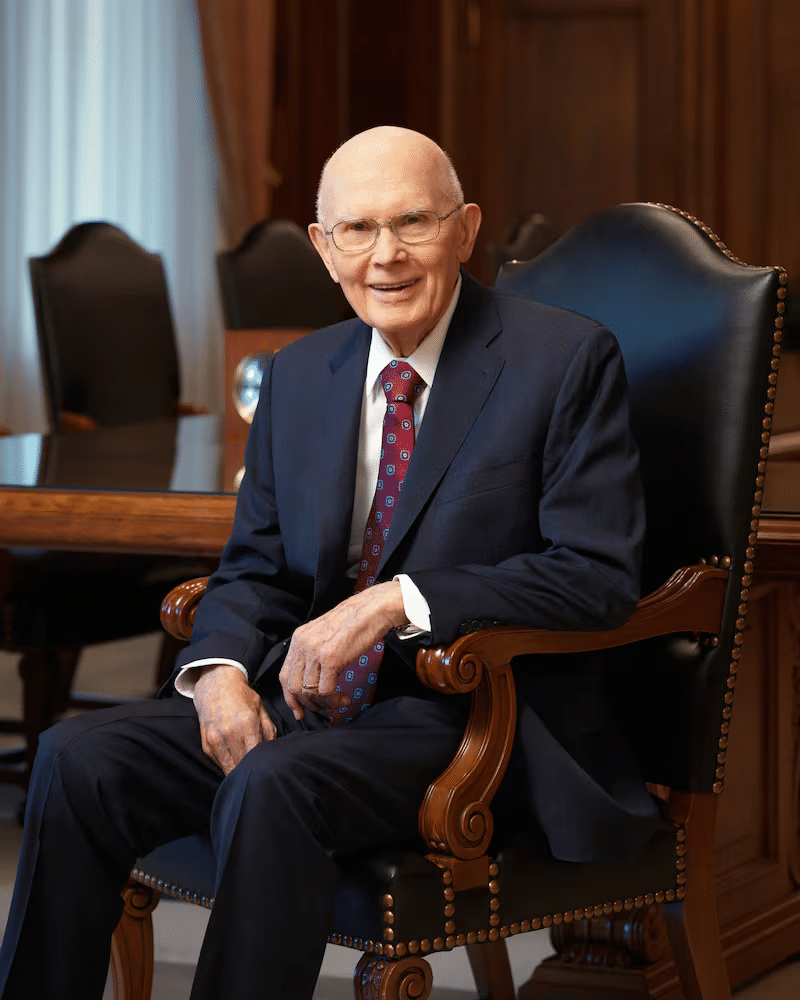
Friend March 2010 “Follow the Prophet”

- To teach about what prophets do, you might select some helpful verses from Jeremiah 1, such as verses 5, 7, 10, and 19. Your children could each pick one of the verses, read it, and share something they learn about prophets.
What do prophets do? Read to the children what the Lord said to another prophet, Jeremiah, in Jeremiah 1:7. Invite the children to walk in place when you read “go to all that I shall send thee” and to pretend to speak when you read “whatsoever I command thee thou shalt speak.” Share your testimony that prophets do and say what the Lord commands.
Verse 5
Foreordination See Gospel Topics: Foreordination

Verse 7 God speaks through his prophets
Play a simple game by giving instructions to one child and asking him or her to repeat the instructions for the other children. Help them see that following the child’s instructions is the same as following your instructions and that following the prophet is the same as following the Lord. Read to them the last line of Doctrine and Covenants 1:38: “Whether by mine own voice or by the voice of my servants, it is the same.”

Verse 10
Prophets warn the nations, but if they do not heed the prophets words…
When the Lord first called Jeremiah to be a prophet, He told him that his mission would be “to root out, and to pull down” (Jeremiah 1:10)—and in Jerusalem, there was plenty of wickedness to root out and pull down.
Prophets also build and help us grow.
Ensign June 2016 “We Believe in Following the Prophet”

- Show a picture of the living prophet, and sing together a song about prophets, such as “We Listen to a Prophet’s Voice” (Hymns, no. 22).
Verse 1: We listen to a prophet’s voice and hear the Savior too. With love he bids us do the work the Lord would have us do. The Savior calls his chosen seer to preach the word of God, That men might learn to find the path marked by the iron rod.
Verse 2. In ev’ry land, in ev’ry tongue, our prophet will be heard; How swiftly round the world his voice reveals the gospel word! The sacred message that he brings will witness and agree, With ev’ry prophet called of God throughout earth’s history.
- Show the video “Why Do We Have Prophets?” (ChurchofJesusChrist.org), and ask the children how they would explain to a friend why it’s a blessing to have a living prophet (see Articles of Faith 1:6, 9). Invite the children to share their feelings about the living prophet.
- “Article of Faith 9” (September 2011 Friend)
Draw pictures of elements from the ninth article of faith.

Friend June 2022 “I Will Follow the Prophet”


Heavenly Father knew me before I was born.
Come, Follow Me—For Home and Church: Old Testament 2026 & Come, Follow Me—For Primary: Old Testament 2022 “Jeremiah 1–3; 7; 16–18; 20” Because we lived with God before we came to earth, He knows us, even if we can’t remember Him
- Read to the children Jeremiah 1:5, and explain that God knew the prophet Jeremiah before he was born. Tell each child, individually, that Heavenly Father also knew him or her before he or she was born and that He sent each of us here for a purpose.
We lived in Heaven: Explain that before we were born on earth we lived in heaven with Heavenly Father.

We were spirits there. A spirit is what is inside of us that makes us alive. When we were spirits, we didn’t have flesh and bones like our bodies have now, but we looked the same.
- Show the children a picture of a baby, and ask the children if they know where this baby lived before he or she was born.(or, if possible, you could look at pictures of your children when they were babies). Ask your children if they know where they lived before they were born.)

- You could also sing together a song that teaches about our premortal life, such as “I Lived in Heaven” (Children’s Songbook, 4). Talk about the spiritual feelings the song brings. Bear your testimony that we all once lived with Heavenly Father and that He sent us here to earth.
If your children would like to learn more, you could help them find “Premortal Life” in the Guide to the Scriptures. They could look for answers to “who,” “when,” and “what” questions about the premortal life.
Latter Day Kids “My Heavenly Father Knows Me” Lesson ideas
I can help Heavenly Father’s children come back to Him.
Come, Follow Me—For Home and Church: Old Testament 2026 & Come, Follow Me—For Primary: Old Testament 2022 “Jeremiah 1–3; 7; 16–18; 20”
- While you read Jeremiah 16:16, your children could pretend to “fish” or “hunt” for objects around the room. President Russell M. Nelson has compared the fishers and hunters in this verse to missionaries (see “The Gathering of Scattered Israel,” Ensign or Liahona, Nov. 2006, 81). What do missionaries do? How can we help “fish” and “hunt” for scattered Israel? (see “A Message for Children from President Russell M. Nelson” , ChurchofJesusChrist.org).
Friend October 2022 “Come Follow Me Activites: Fishers of Men”

Friend October 2022 “Fishing Game”

- Create a matching game using this week’s activity page. When a child finds matching pictures, talk about what that picture shows we can do to help Heavenly Father’s children return to Him.

- Read together Jeremiah 16:14, and ask the children to share details they remember about how “the Lord … brought up the children of Israel out of the land of Egypt” (see Exodus 14). Invite them to read Jeremiah 16:15 to find out what event Jeremiah said would be even more memorable than that. Explain that Israel was scattered throughout the earth, but God promised to gather them back to Him and His Church. This is called the gathering of Israel. How is this similar to delivering people out of captivity?
- Share this statement from President Russell M. Nelson: “Anytime you do anything that helps anyone—on either side of the veil—take a step toward making covenants with God and receiving their essential baptismal and temple ordinances, you are helping to gather Israel” (Russell M. Nelson and Wendy W. Nelson, “Hope of Israel” [worldwide youth devotional, June 3, 2018], supplement to the New Era and Ensign, Aug. 2018, 15, ChurchofJesusChrist.org). How can we help gather Israel?
- Sing together a song about missionary work, such as “I Hope They Call Me on a Mission” or “Called to Serve” (Children’s Songbook, 169, 174), or show the video “Your Day for a Mission” (ChurchofJesusChrist.org). Ask the children what they learn from the song or the video about why someone would choose to serve a mission.

I can let the Lord guide my life, like a potter shapes clay.
Come, Follow Me—For Home and Church: Old Testament 2026
- To explore these verses, you might discuss or show how pottery is made (see the picture at the end of this outline). What message does the Lord have for us in Jeremiah 18:1–6? What does it mean to be clay in the Lord’s hands? (see also Isaiah 64:8). For another story that compares us to potter’s clay, see Elder Richard J. Maynes’s message “The Joy of Living a Christ-Centered Life” (Ensign or Liahona, Nov. 2015, 27–30).

Additional Resources
The Red Crystal “Jeremiah 1–3; 7; 16–18; 20”

Come, Follow Me—For Primary: Old Testament 2022 “Jeremiah 1–3; 7; 16–18; 20”
To help family members visualize these verses, you could demonstrate what happens when you put water in a cracked or broken container. What might the “fountain of living waters” and “broken cisterns” represent? (Jeremiah 2:13). How do we drink from the Lord’s living water?
Pingback: Old Testament: Come Follow Me - Teaching Children the Gospel
Thank you!!