Tell the children about the Savior’s invitation, “Follow me,” found in Matthew 4:18–22 or Luke 18:22. Do an activity where one child does an action and then tells the other children, “Follow me.” Invite the other children to repeat the action.
Show pictures of people following the Savior in different ways, both during His mortal ministry and in our day. You can find pictures in the Gospel Art Book or in Church magazines. You can also show the video “Light the World” (ChurchofJesusChrist.org). Let the children identify how the people are following the Savior.
Help the children think of things they are doing to follow the Savior. Singing “Seek the Lord Early” (Children’s Songbook, 108) could give them some ideas. Let them draw pictures of themselves doing these things.
Invite the children to talk about a close friend they know and describe how this person became a friend. Read and discuss John 5:39 and John 14:15 to find ways we can feel close to Jesus. Ask the children to share times when they felt close to Him.
Take your class on a walk around the meetinghouse. Invite the children to raise their hands when they see something on the walk that reminds them of a way they can follow the Savior (such as the baptismal font or a picture). (song books, sacrament table,
Sing with the children a song about following Jesus Christ, such as “Come, Follow Me” (Hymns, no. 116). Invite the children to share times when they have followed the Savior’s example.
Invite the children to tell about favorite gifts they have received for birthdays or other occasions. Bring a gift-wrapped copy of the scriptures, let a child open it, and testify that the scriptures are a gift to us from Heavenly Father.
Show the children some books containing fictional stories, and ask them about their favorite stories. Show them the scriptures, and testify that the scriptures contain the word of God for us. They tell of people who really lived and things that really happened.
Share the messages found in 2 Timothy 3:15 and Moroni 10:3–5, helping the children to repeat a few phrases. Help them understand that they can know the scriptures are true for themselves.
Friend September 2015 “A New Feeling” – Child feels Holy Ghost while reading the scriptures
Hide a picture of the Savior, and give the children clues to help them find it. Help the children understand how searching the scriptures can help us know Jesus Christ. Let the children take turns hiding the picture and giving clues to other children.
Sing together a song about learning the gospel, such as “Search, Ponder, and Pray” (Children’s Songbook, 109), and help the children make up actions to go with the words. Share with the children one or two of your favorite scriptures, and tell them how you came to know the scriptures are true. If the children have favorite scriptures or scripture stories, invite them to share.
Read together John 5:39 and Acts 17:10–11, and ask the children what they learn about how to study the scriptures.
Select a few simple, powerful scriptures from the New Testament, write each on a piece of paper, and hide the papers. Create clues that will lead the children on a “treasure hunt” within the classroom or church building to find these scriptures. After they find each scripture, discuss what the scripture means and why it is such a treasure.
Scripture Treasure Hunt Paul taught that scriptures bless us with wisdom, doctrine, correction, instruction, and faith. On separate pieces of paper, write “wisdom (Acts 18:28)”; “doctrine (Titus 1:9)”; “correction (Matthew 4:3–10)”; “instruction (Acts 17:2–3)”; and “faith (Romans 10:17).” Read aloud the scripture on each found paper and discuss how it’s an example of that blessing.
Share a few scriptures you treasure and explain why they are meaningful to you. As a class, keep a list of treasured scriptures the children find in the New Testament this year—at home or during Primary.
“Scripture Treasures” (January 2015 Friend) This poem tells of treasures you can find as you read the scriptures daily.
Have a discussion with the children about why it is sometimes hard to read the scriptures. Ask the children to share advice with each other about studying the scriptures. Ask them also to share any positive experiences they have had with the scriptures.
Help the children make simple calendars that they can use to mark how often they read the scriptures. These calendars could remind them to read the scriptures every day.
Share the story of the ten virgins (see Matthew 25:1–13; see also “Chapter 47: The Ten Virgins,” in New Testament Stories, 118–20, or the corresponding video on ChurchofJesusChrist.org). Ask the children questions like these: How are our testimonies like the lamps? Why is it important to have our own testimonies?
Discuss what we can do to strengthen our testimonies. For ideas, invite the children to search John 7:17 and Moroni 10:3–5. Invite them to share things they know are true.
Ask the children to help you label building blocks with truths that form our testimonies (see Gospel Topics, “Testimony,” topics.ChurchofJesusChrist.org). Let the children use the blocks to build a structure representing a testimony.
Friend November 2018 “Building Blocks of Testimony” Use the four words on the right to fill in the blanks in the four building blocks of testimony.
Display a picture of the nativity (such as Gospel Art Book, no. 30, or one of the pictures in this week’s outline in Come, Follow Me—For Individuals and Families). Read Isaiah 9:6, giving each child a turn to point to the baby Jesus when they hear the phrase “a child is born.” Share your testimony that prophets in the Old Testament knew that Jesus would be born.
Invite each child to say his or her name, and point out that in addition to our names, we can be called other things, like sister or brother or friend. Invite the children to think of other examples. Read Isaiah 9:6 to the children, emphasizing the names that refer to Jesus Christ: “Wonderful, Counsellor, The mighty God, The everlasting Father, The Prince of Peace.” Help the children understand what these names tell us about Jesus.
Give each child a paper star, and invite the children to hold their stars up when you read the following phrase from Numbers 24:17: “there shall come a Star out of Jacob.” Invite the children to share how Jesus is like a bright star that shines to all the world. Sing together a song about the star that appeared when Jesus was born, such as “Stars Were Gleaming” (Children’s Songbook, 37) or “The First Noel” (Hymns, no. 213). (Jesus is our source of light to guide us in the paths we should follow.)
The Old Testament teaches me about Jesus Christ, the promised Messiah.
Come, Follow Me—For Primary: Old Testament 2022 “Christmas The Old Testament is more than just a collection of interesting stories and writings; its purpose, like all scripture, is to testify of Jesus Christ. Help the children learn how to find Him in the Old Testament.
Invite the children to make a list of all the names and titles of Jesus Christ they can find in Moses 7:53; Psalm 23:1; Job 19:25; Isaiah 7:14; 9:6; 12:2; Amos 4:13; and Zechariah 14:16. Let them work in pairs if they would like. Invite them to share their lists with each other. What do we learn about the Savior from each of these names and titles?
Show the children a few Christmas decorations (or pictures of some), such as a star, lights, or a gift. Ask the children how each of these things might remind us of the Savior. Explain that the scriptures often use symbols to teach us about Jesus Christ. Invite the children to look in one or more of the following verses for something that could symbolize Jesus Christ: Genesis 22:8; Exodus 17:6; Psalms 18:2; 27:1 (see this week’s outline in Come, Follow Me—For Individuals and Families for additional examples). How is Jesus like a lamb, water, rock, a fortress, or light?
Using paper or other supplies, create an ornament shaped like the chosen symbol and display it in a special place to remember the Savior.
Study the scripture references listed with each symbol above.
Discussion: What does each symbol teach about the Savior? What does Jesus Christ mean in your life?
At the end of studying the Old Testament this year, invite the children to share their favorite stories or scriptures from the Old Testament. What do these stories or scriptures teach us about Jesus Christ? Why are we grateful to have the Old Testament?
Jesus Christ is my Savior.
Come, Follow Me—For Primary: Old Testament 2022 “Christmas Christmas is a time to celebrate not only Jesus’s birth but also His life and mission as Savior of the world. How can you help the children feel joy and gratitude for Jesus Christ’s Atonement?
Ask the children to think of something that they are looking forward to. Explain that faithful people in Old Testament times looked forward to Jesus Christ’s birth. Read Isaiah 25:9 to the children, and have them repeat the phrase “We have waited for him, we will be glad and rejoice in his salvation.” Share with them why you are glad and rejoice that Christ was born. Invite the children to share their feelings about the Savior.
Sing together a song about Jesus’s birth, such as “Away in a Manger” (Children’s Songbook, 42–43) or “Hark! The Herald Angels Sing” (Hymns, no. 209). Help the children discover phrases in these songs that teach us about our Savior and the blessings we have because of Him.
Jesus Christ is my Savior and Redeemer.
Come, Follow Me—For Primary: Old Testament 2022 “Christmas As we celebrate Jesus Christ’s birth, we can also rejoice in His life and atoning sacrifice. How might you use scriptures from the Old Testament to help the children build their faith in their Savior and Redeemer?
Read together Isaiah 7:14; then invite the children to share what they know about Christ’s birth. Or show the video “The Nativity” (ChurchofJesusChrist.org), and invite each child to choose a person from the video and share how that person may have felt. Share your testimony about the Savior, and invite the children to do the same.
To help the children better understand Jesus Christ’s role as our Savior, invite them to read Isaiah 25:8–9; 53:3–5; and Hosea 13:14. What do these scriptures teach us about how the Lord saves us? How can we “rejoice in his salvation”? (Isaiah 25:9).
Sing a song together about Jesus Christ’s love for us, such as “Away in a Manger” (Children’s Songbook, 42–43) or “I Stand All Amazed” (Hymns, no. 193). Invite the children to share phrases that help them feel the Savior’s love.
Help the children count 10 small objects, such as the coins on this week’s activity page. Invite them to separate one of the objects from the rest, and explain that this is like the tithing we give to the Lord. We give Him one-tenth of what we receive. Share your testimony of how the Lord blesses us as we pay tithing. Sing with the children a song about tithing, such as “I Want to Give the Lord My Tenth” (Children’s Songbook, 150).
Friend December 2022 “Tithing Pie” A bishop explains tithing by drawing a pretend peach pie and then asking if any of the children would want some. He then says he will give the whole pie to them, but he just wants one piece back.
Draw a window on the board, and read Malachi 3:10 to the children. Invite them to point to the window when you read the phrase “windows of heaven.” Explain that this means that Heavenly Father gives us great blessings when we pay tithing. As the children color this week’s activity page, talk about some of the reasons why we pay tithing.
“I Choose the Right by Living Gospel Principles” (June 2012 Liahona and Friend) An activity that encourages families to discuss the blessings of tithing. Includes a short story and illustration of a tithing slip.
Share a story from the Friend magazine or from your own life about paying tithing. Invite the children to listen for blessings that can come from paying tithing.
Friend April 2018 “An Amazing Lesson”When Elder Cordon was a child he learned that the Lord blesses us when we pay our tithing. His parents had to choose between paying for food or paying tithing. They paid their tithing and later his father received work and a prepayment for that work.
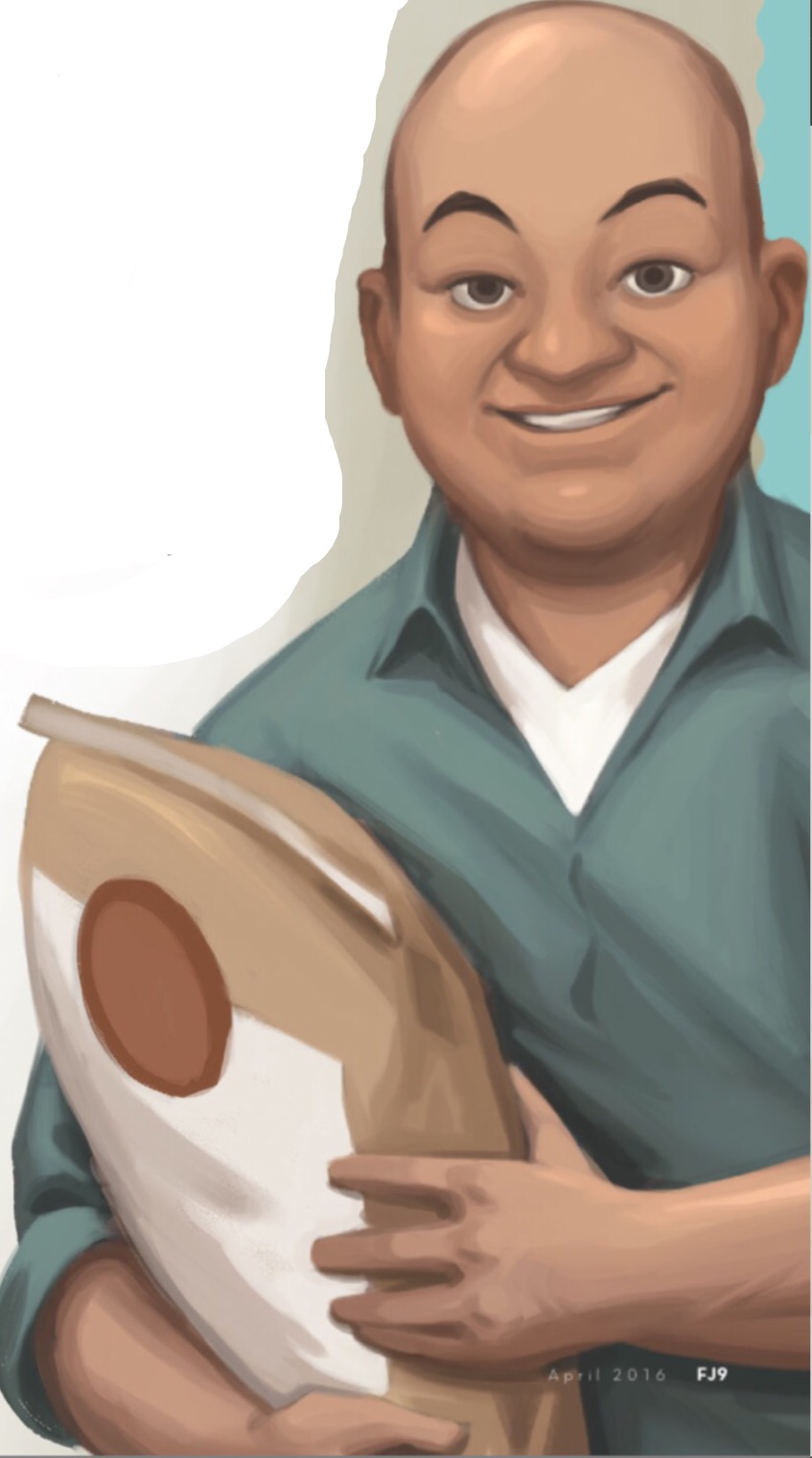
Friend April 2016 “Pesos for Heavenly Father” Ana’s grandmother has faith to pay tithing even though there is no food, and she is blessed.
Family members might enjoy drawing pictures to represent these blessings and hanging the pictures on a window.
“Lesson 44: Malachi Teaches about Tithes and Offerings,” Primary 6: Old Testament
Come, Follow Me—For Primary: Old Testament 2022 ” Paying tithing is more about having faith in Heavenly Father and Jesus Christ than it is about finances. What do the children you teach understand about tithing? How will you help them have the faith to pay tithing?
Write on the board questions about tithing like the following: What is tithing? How do I pay tithing? What is tithing for? What are the blessings of paying tithing? Invite the children to search Malachi 3:8–12 and “Tithes, Tithing” in Guide to the Scriptures (scriptures.ChurchofJesusChrist.org) and write down answers they find. Invite them to share their answers with each other. What kind of people do we become by paying tithing?
Show the video “Jesus Teaches about the Widow’s Mite” (ChurchofJesusChrist.org), or read together Mark 12:41–44. What does this story teach us about how the Lord feels about our offerings?
Draw a window on the board, and invite the children to write inside the window blessings that someone might receive for paying tithing (for ideas, see Malachi 3:10–12). Invite the children to share a personal example of how they or their families have been blessed by faithfully paying tithing. Or you could share an example from your own life of how paying tithing has increased your faith in Heavenly Father and Jesus Christ.
Come, Follow Me—For Primary: Old Testament 2022 ” Because of the priesthood keys of sealing that Elijah gave Joseph Smith in the Kirtland Temple, families can be united for eternity. As you teach this truth, be sensitive to the feelings of children whose families have not been sealed in the temple.
Read Malachi 4:5 to the children. Then tell them that this promise was fulfilled when Elijah appeared to Joseph Smith in the Kirtland Temple (see “Chapter 40: Visions in the Kirtland Temple,” in Doctrine and Covenants Stories, 157). Show a picture of this event (see Gospel Art Book, no. 95), and invite the children to point to Elijah and to Joseph Smith. Explain that because Elijah came, we can be sealed as families in the temple. Share your testimony of the importance of being sealed as families.
Tell the children about your love for your family; show a picture, if possible. Invite a few children to share their feelings for their family. Sing together a song about families, such as “Families Can Be Together Forever” (Hymns, no. 300), and testify that Heavenly Father wants families to be sealed together and that this is one reason we have temples. Help children understand that because of Jesus Christ, we can even be sealed to family members who were not able to go to the temple in this life. Invite the children to draw a picture of their family together in heaven.
Come, Follow Me—For Primary: Old Testament 2022 ” Malachi’s prophecy about Elijah the prophet was fulfilled when Elijah appeared to Joseph Smith in the Kirtland Temple and gave him the priesthood keys that allow families to be sealed together forever. You might consider inviting someone in the ward who has responsibility for temple and family history work (such as a member of the elders quorum presidency or Relief Society presidency) to help you teach this doctrine to the children. Remember to be sensitive to the feelings of children whose families have not been sealed.
Write each phrase from Malachi 4:5–6 on a separate slip of paper. Give the slips of paper to the children, and ask them to put the phrases in the correct order. Read the verses together, and discuss questions like these: Who did the Lord promise to send? When did He say this person would come? What did the Lord say that this person would do? Why would this person need to come? Where was this prophecy fulfilled? (see Doctrine and Covenants 110:13–16).
Write on the board a question like What does it mean for the hearts of the children to turn to their fathers? (see Malachi 4:6). Invite the children to ponder this question as they watch the video “Their Hearts Are Bound to You” (ChurchofJesusChrist.org). Then invite the children to share their thoughts about the question on the board. Discuss together experiences you or the children have had learning about family history.
Show the picture of Elijah from this week’s outline in Come, Follow Me–For Individuals and Families. Invite the children to share what they know about the event this picture depicts (see also Doctrine and Covenants 110:13–16). Testify that the sealing power Elijah restored allows families to be united eternally—including families who didn’t have that opportunity in mortality. If you have participated in a sealing, either for yourself or for a deceased person, talk about what you felt during that ordinance. Ask the children to share their feelings about their families and about God’s plan to help families be together forever.
Come, Follow Me—For Individuals and Families: Old Testament 2022 “Haggai; Zechariah 1–3; 7–14” After decades of captivity, a group of Israelites, probably including the prophets Haggai and Zechariah, were allowed to return to Jerusalem. Some in this group remembered what Jerusalem looked like before it was destroyed. Imagine their feelings as they saw the rubble that had once been their homes, their places of worship, and their temple. To those who wondered whether the temple would ever again resemble the Lord’s “house in her first glory” (Haggai 2:3), the prophet Haggai spoke the Lord’s words of encouragement: “Be strong, all ye people of the land, saith the Lord, and work: for I am with you, … fear ye not.” “I will fill this house with glory, … and in this place will I give peace.” (Haggai 2:4–5, 7, 9.)
But it wasn’t just the holy temple that needed rebuilding. In many ways, God’s people were spiritually in ruins. And rebuilding a holy people takes more than hewing stones and aligning them to build a temple wall. Today, temples bear the inscription “Holiness to the Lord,” and those words apply not just to a building but to a way of life. Engraving these words on “the bells of the horses” and “every pot in Jerusalem” (Zechariah 14:20–21) is helpful only if they are also engraved on every heart. True holiness requires that the Lord’s words and laws “take hold” (Zechariah 1:6) in us, allowing His power to change our natures so that we become holy like Him (see Leviticus 19:2).
Invite the children to read Haggai 1:2–5 to find out why the Lord was not pleased with the Israelites. Ask the children to pick a phrase from verse 6 and draw a picture of it. Let the class guess what phrase each drawing represents. Talk about how spending time on things other than what the Lord wants is like eating but not being filled, dressing but not being warm, and so on. Why is it important to make time for the things that are important to the Lord?
Write “Consider your ways” on the board (verse 7). Invite each child to make a list of things he or she might do in a typical day, including things the Lord has asked us to do. Ask the children to “consider [their] ways” by circling what the Lord might say are the most important things on their list. How can we make sure we give time each day for the things the Lord wants us to do?
As you read Haggai 1; 2:1–9, consider questions like these: What consequences did the Israelites face because they had not finished the temple? What blessings did the Lord promise them if they finished building His house? You might take this opportunity to “consider your ways”—to think about your priorities and how you could align them with the Lord’s.
These verses may prompt your family to “consider your ways.” Maybe family members could act out the phrases in verse 6. What does this verse teach about valuing the things of the world over the things of God? You might counsel together about your family’s priorities. Singing a song like “I’m Trying to Be like Jesus” (Children’s Songbook, 78–79) could help your family evaluate what you are doing well and areas in which you can improve.
Explain to the children that the Lord wanted the Israelites to build the temple, but they were doing other things instead. Read aloud Haggai 1:7, and explain that “consider your ways” means that the Lord wanted the Israelites to think about whether they were doing the most important things. Read verse 8 to the children, and invite them to pretend to “go up to the mountain,” “bring down wood,” and “build the house [of the Lord].” What important things does God want us to do?
Put pictures face down on a table that represent some of the things that are important to God, such as the scriptures, prayer, and the temple. Allow the children to take turns choosing a picture and showing it to the class. Help them understand why it is important to ensure that we make time for each of the things in the pictures.
Come, Follow Me—For Individuals and Families: Old Testament 2022 “Haggai; Zechariah 1–3; 7–14” To introduce these verses, you could share the story of the Provo City Center Temple, which was rebuilt from a beloved tabernacle that had burned down (see the video “Provo City Center Temple Completed,” ChurchofJesusChrist.org). As your family reads Haggai 2:1–9, you might ask family members to think of something in our lives that might be like the work of rebuilding the temple that had been destroyed. How does the Lord rebuild us after tragedy or adversity?
Let the children pass around a dirty shirt, and read Zechariah 3:3. Then pass around a clean shirt, and read verse 4. Talk with the children about how making wrong choices is like becoming dirty spiritually, but the Savior can make us clean again. How do we feel when we are clean? Share your testimony that because Jesus Christ suffered and died for us, we will be clean from our sins as we repent.
If possible, show the children a picture of someone they know dressed in white at his or her baptism (or see Gospel Art Book, nos. 103, 104). Why do we wear white at our baptisms? Sing a song about baptism, such as “When I Am Baptized” (Children’s Songbook, 103). Invite the children to draw themselves being baptized and share how they feel about being baptized someday.
Story: In a vision, Zechariah saw a man wearing dirty clothes. An angel came to the man and gave him clean clothes. (See Zechariah 3:3–5.) Putting on clean clothes can remind us of repenting. When we make a wrong choice, we can repent and be clean again.
Song: “I’m Trying to Be like Jesus” (Children’s Songbook, 78–79)
Activity: Talk about how repenting can lighten your load. Then do the activity on page 12. How do you feel when you repent?
Making and keeping covenants can help me be more like Heavenly Father and Jesus Christ.
Come, Follow Me—For Primary: Old Testament 2022 “Haggai; Zechariah 1–3; 7–14” In a vision, Zechariah saw a high priest named Joshua, who was “clothed with filthy garments” (Zechariah 3:3). An angel gave him clean clothing and explained that this symbolized being cleansed from his sins. You could use this vision to help the children understand the covenants and blessings associated with baptism.
Read together Zechariah 3:1–7 and discuss questions like these: What did Joshua’s “filthy garments” represent? How do we become clean from our sins? How do our baptismal covenants help us “walk in [the Lord’s] ways”?
A few days before class, invite a child to come prepared to talk about his or her baptism. Review together the covenant we make at baptism (see Doctrine and Covenants 20:37). How will keeping our promises help us become more like Heavenly Father and Jesus Christ? How does taking the sacrament each week help us keep our baptismal covenants?
Display a picture of Jesus Christ entering Jerusalem on a donkey (see Gospel Art Book, no. 50). Tell the children that many years before Jesus came to earth, Zechariah prophesied that Jesus Christ would ride a donkey into Jerusalem before He died for us. As you read Zechariah 9:9, ask the children to point to people in the picture who “rejoice greatly” and also point to the “King.” Who is the King? Ask the children to share why they are thankful for Jesus.
Read to the children some of the prophecies Zechariah made about the Savior’s Second Coming, such as those in Zechariah 2:10; 14:9. Ask the children to draw pictures of what they think it will be like when Jesus comes again, or sing together a song about the Second Coming, such as “When He Comes Again” (Children’s Songbook, 82–83).
Display pictures 50, 60, and 64 from the Gospel Art Book. Write the following scripture references on the board, and invite the children to match the references to the pictures: Zechariah 9:9; 13:6; 13:7. Invite the children to share their feelings about Jesus Christ.
Show pictures of the story of Jonah, and invite the children to tell what they know about the story (see “Jonah the Prophet” in Old Testament Stories; this week’s activity page; or this week’s outline in Come, Follow Me—For Individuals and Families). Ask questions like these: What happened when Jonah didn’t obey the Lord? (see Jonah 1:4–17). What happened when he did obey? (see Jonah 3:3–5). Share your testimony that the Lord will bless us when we obey Him.
Come, Follow Me—For Individuals and Families: Old Testament 2022 “Jonah; Micah”Your children might enjoy doing actions that tell the story of Jonah, like pretending to run away, making sounds like a stormy sea, or pretending to get swallowed by a big fish (see “Jonah the Prophet” in Old Testament Stories). Ask family members what they learn from Jonah’s experience. For one example of a lesson from Jonah, see verse 7 of “Follow the Prophet” (Children’s Songbook, 110–11).
Sing together a song about obeying the Lord, such as “Quickly I’ll Obey” (Children’s Songbook, 197). Talk about how it would have been best for Jonah to obey the first time. Help the children think of things God wants them to do and then act out how they can obey quickly.
Act out parts of Jonah 3:3–8 with the children, such as walking to the city of Nineveh, sharing the Lord’s message, and writing a decree from the king to his people. Show a picture of missionaries (see Gospel Art Book, nos. 109, 110). What do missionaries do? How was Jonah a missionary? Help the children think of ways they can share the gospel with others, such as sharing an article of faith or bearing their testimony of Jesus Christ.
Tell of an experience when you shared the gospel of Jesus Christ. Or, a few days before class, invite someone to visit your class and tell the children about a time when he or she shared the gospel or when someone shared the gospel with him or her. Encourage the person to show pictures, if possible. Help the children think of ways they can be missionaries now.
Display pictures of events surrounding the birth of Jesus Christ (see Gospel Art Book, nos. 28, 29, 30, 31). Invite the children to talk about what is happening in each picture. Read Micah 5:2, and invite the children to stand up when they hear the word “Beth-lehem.” Testify that Jesus’s birth was so important that prophets knew about it before He was born.
Invite the children to draw a picture of Jesus’s birth. As they show their pictures, ask them to share why they are thankful for Jesus Christ.
Come, Follow Me—For Individuals and Families: Old Testament 2022 “Jonah; Micah” You could display a picture of Jesus as a child with His mother (see Gospel Art Book, no. 33) on one side of the room and a picture of the Wise Men on another. Read together Micah 5:2 and Matthew 2:1–6. How did Micah’s prophecy help the Wise Men find Jesus? Family members could move the picture of the Wise Men next to the picture of Jesus. Your family might also enjoy watching the video “The Christ Child: A Nativity Story” (ChurchofJesusChrist.org).
Repentance includes recognizing my sins and asking for forgiveness.
Help the children make a list on the board of some of the basic elements of repentance (see Guide to the Scriptures, “Repent, Repentance,” scriptures.ChurchofJesusChrist.org). Review together the story of Jonah, and invite the children to identify evidence that Jonah was repenting (see, for example, Jonah 1:10–12; 2:1–4, 9; 3:1–5). How can we show the Lord that our repentance is sincere?
Sing a song about repentance, such as “Repentance” (Children’s Songbook, 98). Ask the children what words or phrases from the song they would share with Jonah to help him repent.
“McKay and the Whale” (January 2006 Friend) McKay tries to hide something from his parents. He hears the story of Jonah and the whale and decides to tell the truth. Includes figures to tell the story of Jonah.
Invite the children to find a definition of the word mercy in a dictionary or in Guide to the Scriptures (scriptures.ChurchofJesusChrist.org). Why did Jonah need mercy? Why did the people of Nineveh need mercy? (see Jonah 1:1–3). Ask the children to imagine that they could interview Jonah. What evidence might Jonah give to show that the Lord is merciful? (see, for example, Jonah 2:7–10; 3:10; 4:2). How has the Lord shown us mercy?
Ask the children to make a list on the board of things that they “delight” in, such as hobbies, blessings from the Lord, and so on. Invite them to read Micah 7:18–19 to discover one thing the Lord delights in. What truths in these verses would help a person who is afraid to repent?
Help the children think of examples when the Savior showed mercy to others, such as Mark 2:3–12; Luke 23:33–34; and John 8:1–11. Show pictures of these events, if possible. Help the children think of opportunities they have to be merciful and kind to others.
The Lord wants me to do justly, love mercy, and walk humbly with Him.
Read together Micah 6:8, and help the children understand what these phrases mean: “do justly,” “love mercy,” and “walk humbly with thy God.” Invite the children to draw a picture of themselves doing something related to one of the phrases.
Write on the board “What doth the Lord require of thee?” Invite them to find the answer in Micah 6:8. How does obeying the Lord’s commandments help us fulfill what the Lord requires of us in this verse?
Jonah was a prophet, tried to run away,But he later learned to listen and obey.When we really try, the Lord won’t let us fail:That’s what Jonah learned deep down inside the whale.
Come, Follow Me—For Primary: Old Testament 2022 “Hosea 1–6; 10–14, Joel” In the book of Hosea, the Lord compared His covenants with the Israelites to a marriage. Despite the Israelites’ unfaithfulness, He still loved them and wanted them to return. This comparison can help you teach the children about the importance of keeping our covenants with the Lord.
Tell the children that in the book of Hosea, the Lord compared His covenants with Israel to a marriage. Show the children a picture of a bride and groom. How does Heavenly Father want a husband and wife to treat each other? How can we show the Lord that we love Him and will be faithful to Him?
Help the children understand that the covenants we make with the Lord are meant to last forever. Invite one of the children to read Hosea 2:19–20, looking for words that describe how the Lord feels about His covenants with us. What do we covenant to do when we are baptized? How can we keep this covenant we have made with the Lord?
Hosea 10:12 uses the images of sowing, reaping, time, and rain to invite us to seek the Lord. As you read this verse, what creative ideas come to mind that could inspire the children to seek Him?
Read Hosea 10:12 to the children, and invite them to do simple actions to help them understand the verse, such as pretending to plant seeds, pick vegetables from a plant, or stand in the rain. Or show pictures of seeds, plants, and rain. Help the children compare planting a seed and reaping good food to living righteously and receiving the Lord’s blessings. Testify of the blessings the Lord has rained upon you as you have tried to seek Him.
Draw a clock on the board, and ask the children to share ways we can seek the Lord at different times of the day. Invite the children to repeat with you the phrase “It is time to seek the Lord” (Hosea 10:12). Help them understand that it is always time to seek the Lord. Share what you do to remember Him all the time.
Show pictures of several people, including Jesus, and ask the children to find which of these people is our Savior. Read Hosea 13:4, and emphasize that there is no Savior except Jesus Christ. Testify that because of Jesus Christ’s Atonement, we can return to live with Heavenly Father again.
Let the children take turns holding a picture of Jesus on the cross or in the tomb and a picture of Jesus outside the empty tomb. Invite the children to talk about what the pictures show. Read from Hosea 13:14 the phrase “I will ransom them from the power of the grave; I will redeem them from death.” Testify that Jesus Christ saved us from death and that we can be resurrected.
Sing together a song about the Resurrection, such as “Did Jesus Really Live Again?” (Children’s Songbook, 64). Help the children recognize the Spirit as they sing.
Invite the children to read Hosea 13:4, 14, looking for words or phrases that describe Jesus Christ. What do these words teach us about Him? Invite the children to use the Topical Guide or Guide to the Scriptures to find and share other scriptures that teach about Jesus Christ as Savior and Redeemer. Share your testimony of the Savior, and give the children the opportunity to do the same.
To help the children understand how the Savior ransoms or redeems us from death, show the video “Handel’s Messiah: Debtor’s Prison” (ChurchofJesusChrist.org). What do we learn from this video that helps us understand what the Savior has done for us?
Story: Hosea was a prophet. He taught that Jesus Christ would die and be resurrected. This made it so we could live again. (See Hosea 13:14.)
Song: “Did Jesus Really Live Again?” (Children’s Songbook, 64)
Activity: Because Jesus Christ was resurrected, we will all live again someday. Find pictures of family members who have died. Share stories about them.
To help your family talk about Joel 2:12–13, you could place a picture of the Savior on one side of a room and the word sin on the opposite side. Invite family members to take turns facing the sign and then turning toward the Savior as they share things that can help us turn to Him “with all [our] heart.” Encourage family members to think about all aspects of their lives, including activities, work, school, and relationships. (Come, Follow Me—For Individuals and Families: Old Testament 2022 “Hosea 1–6; 10–14 Joel”
The Holy Ghost can guide me.
Joel Chapter 1 Call a solemn assembly and gather to the house of the Lord, for the day of the Lord is at hand.
Joel CHAPTER 2 War and desolation will precede the Second Coming—The sun and the moon will be darkened—The Lord will pour out His Spirit upon all flesh—There will be dreams and visions.
Joel Chapter 3 All nations will be at war—Multitudes will stand in the valley of decision as the Second Coming draws near—The Lord will dwell in Zion.
Read Joel 2:28 to the children, and explain that the words “all flesh” mean everyone, including “sons” and “daughters” like them. Invite the children to draw pictures of the people referred to in this verse (sons and daughters, old and young men, old and young women), including themselves. Explain that one way Heavenly Father pours out His Spirit is by giving us the gift of the Holy Ghost when we are baptized.
What could it mean for the Spirit to be “poured out” upon us? Maybe you could demonstrate this by pouring a liquid and then contrasting it with a drip or a trickle.
Invite the children to share what they know about the Holy Ghost. Help them understand that the Holy Ghost can teach us about Heavenly Father and Jesus Christ and can help us to know what is true (see John 14:26; Doctrine and Covenants 42:17). Share experiences to help the children understand the ways the Spirit can help us.
Friend June 2019 “The Holy Ghost is…” The Holy Ghost is a member of the Godhead, a gift that comes with baptism, and a promise from Heavenly Father. He is a comforter, warning, teacher, messenger, friend.
Come, Follow Me—For Primary: Old Testament 2022 “Hosea 1–6; 10–14, Joel” Many of the children you teach have likely been baptized and received the gift of the Holy Ghost. How can you use these scriptures to help them understand the power and blessings that come from hearing the voice of the Spirit?
Invite the children to read together Joel 2:28–29, inserting each other’s names in place of the phrases “your sons” and “your daughters.” Write on the board a sentence like The Holy Ghost can … and invite the children to take turns completing the sentence. Encourage them to include things they learn from John 14:16; Moroni 10:5; Doctrine and Covenants 42:17, and other scriptures.
Place an object in a bowl, and let the children take turns pouring water over it. Explain that the object represents us, and the water represents the Holy Ghost. When we are baptized, we receive the gift of the Holy Ghost, which is one way the Lord fulfills His promise to “pour out [His] spirit.” What must we do to receive the Holy Ghost? Invite the children to share times when they have felt the influence of the Spirit.
What could it mean for the Spirit to be “poured out” upon us? Maybe you could demonstrate this by pouring a liquid and then contrasting it with a drip or a trickle.
Friend February 2018 “Funstuff: The Holy Ghost” Fill in the blank with some things you can do to feel the Holy Ghost.
DANIEL CHAPTER 1 Daniel and certain Hebrews are trained in the court of Nebuchadnezzar—They eat plain food and drink no wine—God gives them knowledge and wisdom beyond all others.
Come, Follow Me—For Primary: Old Testament 2022 “Daniel 1–6” Daniel and his friends refused the meat and wine the king offered them because they wanted to follow God’s commandments and avoid harming their bodies. Today the Word of Wisdom helps us avoid substances that would harm our bodies.
Share with the children “Daniel and His Friends” (in Old Testament Stories), or summarize Daniel 1:1–17. Invite the children to act out the story. Help them understand how the Lord blessed Daniel and his friends for choosing to obey Him (see verse 17). What blessings do we receive from God when we choose the right?
Show the children pictures of things the Word of Wisdom teaches us to eat or use and things it tells us not to eat or use (see Doctrine and Covenants 89). Invite the children to pretend to eat the good things and say no to the bad things. Testify that the Lord blesses us when we care for our bodies. Sing together a song about caring for our bodies, such as “The Lord Gave Me a Temple” or “The Word of Wisdom” (Children’s Songbook, 153, 154–55). What does this song teach us?
“Daniel Obeys the Lord” (June 1998 Friend) A retelling of the story of Daniel and his friends refusing to eat the king’s food. Includes flannel board figures.
The Church of Jesus Christ of Latter-day Saints is the kingdom of God on earth.
Daniel Chapter 2 Nebuchadnezzar’s dream is revealed to Daniel—The king saw a great image, a stone cut from the mountain without hands destroyed the image, and the stone grew and filled the whole earth—The stone is the latter-day kingdom of God.
Come, Follow Me—For Primary: Old Testament 2022 “Daniel 1–6” When Daniel gave his inspired interpretation of Nebuchadnezzar’s dream, he saw a stone “cut out of the mountain without hands” (Daniel 2:45). This stone represents The Church of Jesus Christ of Latter-day Saints, which is destined to fill the earth.
Read Daniel 2:31–35, 44–45 with the children, and invite them to draw a picture of what Nebuchadnezzar saw in his dream. Ask the children what they learn from these verses about the stone in the dream.
“Lesson 146: Daniel 1–2,” Old Testament Seminary Teacher Material (2018) Who did Daniel say the head represented? (Nebuchadnezzar and the Babylonian Empire.) What else did Daniel reveal about the king’s dream? (The other sections of the image represented kingdoms that would rise after Babylon fell.)
Many kingdoms” next to verses 41–43. Point out that the time of many kingdoms includes the latter days (see verse 44, footnote a).
What might the phrase “cut out of the mountain without hands” in verse 45 mean? (The kingdom was established by God, not by man.)
Explain that this stone represents The Church of Jesus Christ of Latter-day Saints. Ask the children to name some things Heavenly Father did to set up His Church in the latter days. To give them ideas, show pictures of events in the Restoration of the Church (see Gospel Art Book, nos. 90–95).
Why is it important for you to understand that the Church was established by God and not by man?
What does Daniel’s prophecy teach us about the Church? (After students respond, write the following truth on the board: The Lord established His Church—The Church of Jesus Christ of Latter-day Saints—and it will continue to grow until it fills the whole earth.)
Give each child a crumpled-up piece of paper to represent the stone in Nebuchadnezzar’s dream. Ask each child to share how he or she knows that the Church was restored by God. As the children share, invite them to give their “stones” to you. Wrap the stones together using tape or string to form a large stone. Testify that as we strengthen our testimonies and share the gospel with others, we unite our faith to help the kingdom of God “[fill] the whole earth” (Daniel 2:35).
Invite a student to read Daniel 2:46–49 aloud. Ask the class to follow along, looking for King Nebuchadnezzar’s response to the interpretation of his dream.
What did Nebuchadnezzar do for Daniel and his friends?
God will bless me as I choose to follow Jesus Christ.
Daniel CHAPTER 3 Nebuchadnezzar creates a golden image and commands all men to worship it—Shadrach, Meshach, and Abed-nego refuse and are cast into the fiery furnace—They are preserved and come out unharmed.
Show a picture of Shadrach, Meshach, and Abed-nego in the fiery furnace (see Gospel Art Book, no. 25), and ask the children to count the people in the furnace. Read Daniel 3:24–25 to find out who else was in the furnace. Share your testimony that the Lord is with us as we follow Him.
Daniel CHAPTER 4 Daniel interprets Nebuchadnezzar’s dream of the great tree, describing the king’s fall and madness—The king learns that the Most High rules and sets the basest of men over earthly kingdoms.
The below video is not produced by the church or its members but it has a good overview of Daniel 3-5.
Daniel CHAPTER 5 Belshazzar and his revelers drink from the vessels of the temple—A hand writes upon the wall, telling of Belshazzar’s downfall—Daniel interprets the words and reproves the king for pride and idolatry—That night Babylon is conquered.
Heavenly Father wants me to pray often.
Daniel CHAPTER 6 Darius makes Daniel the first of his presidents—Daniel worships the Lord in defiance of a decree of Darius—He is cast into the den of lions—His faith saves him, and Darius decrees that all people are to revere the God of Daniel.
Tell the story in Daniel 6 (see “Daniel and the Lions’ Den” in Old Testament Stories), and invite the children to draw a picture of the story. Ask them to use their pictures to tell the story to each other. Why does Heavenly Father want us to pray to Him? Share why prayer is important to you.
Talk with the children about times when they can pray, such as when they are scared, when they make mistakes, or when they need help in school. Why is it good to pray in these situations? Teach the children that no matter where they are, they can always pray in their hearts.
According to these verses, how was King Darius affected when the Lord delivered Daniel from the lions? You could also read in Daniel 2:47; 3:28–29 about how King Nebuchadnezzar was affected in a similar way. What opportunities do we have to influence others? Discuss examples you have seen of how the faith of other people, including family members, has influenced others for good.
Find pictures of the stories in Daniel 1, 3, and 6 (see this week’s activity page, this week’s outline in Come, Follow Me—For Individuals and Families, or Gospel Art Book, nos. 23, 25, 26). Place the pictures facedown on the board or on the floor. Invite a child to turn over one of the pictures, and help him or her tell the story it represents. (For help, see “Daniel and His Friends,” “Shadrach, Meshach, and Abed-nego,” and “Daniel and the Lions’ Den” in Old Testament Stories.) After each story, discuss questions like these: What did the people do to follow the Lord? How did the Lord bless them? Share how you have been blessed for choosing to follow Jesus Christ. Ask the children to share their experiences.
Invite the children to act out situations where they can show their faith in God by keeping His commandments. These could include being kind to a sibling, telling someone about the Savior, or praying each night.
Story: The prophet Daniel prayed each day. Some jealous men tricked the king into making a bad law. Anyone who prayed to God would be thrown into a den of lions! Daniel prayed anyway. He was thrown into the lions’ den, but God sent an angel to protect him. (See Daniel 6.)
Song: “I Want to Live the Gospel” (Children’s Songbook, 148)
Activity: Cut out the finger puppets on page 17 and use them to tell the story of Daniel and the lions’ den. Why is it good to pray?
Friend October 2018 “The T-E-S-T” One day, when Sharon’s father was reading to her the Bible story about Daniel in the lion’s den, he traced the word “test” on her forehead. He told her she would have tests like Daniel, but she should follow Heavenly Father’s commandments and not give into fear. (Also includes a lion activity of ways Heavenly Father helps us with challenges. )
The stories in Daniel 1, 3, and 6 can give the children you teach courage and faith to make good choices, even when they feel alone.
Draw on the board several arrows all pointing in the same direction and then one arrow pointing in the opposite direction. How are Daniel and his friends like this one arrow? Invite the children to give examples from the stories in Daniel 1, 3, and 6 (see “Daniel and His Friends,” “Shadrach, Meshach, and Abed-nego,” and “Daniel and the Lions’ Den” in Old Testament Stories). Ask the children why they think it might have been hard for Daniel and his friends to make good choices. How did the Lord bless them for choosing the right?
Help the children think of situations when they might be pressured to make a wrong choice. Invite them to share experiences when they were blessed for choosing the right even when it was hard. Sing together a song related to this topic, such as “Choose the Right” (Hymns, no. 239).
“The Rule Review” (May 2014 Friend) Joseph keeps the family rules instead of giving in to peer pressure.
“Luke the Leader” (July 2014 Friend) When Luke’s friends want him to say a bad word, he makes up silly words instead.
“Matt and Mandy” (March 2011 Friend) Matt chooses the right even when his friend pressures him to do something bad.
“The Bad Movie” (June 2013 Liahona and Friend) When her class chooses a movie, Evelyn decides to watch only things that would be pleasing to Heavenly Father.
Friend November 2018 “Daniel Bravely Followed God” Story and goal card. (I can stand up for what I believe)
Come, Follow Me—For Individuals and Families: Old Testament 2022 “Jeremiah 1–3; 7; 16–18; 20” At first, Jeremiah didn’t think he would make a good prophet. “Behold, I cannot speak,” he protested when the Lord first called him (Jeremiah 1:6). The Lord reassured him, “I have put my words in thy mouth” (verse 9). Jeremiah felt that he was an inexperienced “child” (verse 6), but the Lord explained that he was actually more prepared than he realized—he had been ordained to this calling even before he was born (see verse 5). So Jeremiah set aside his fears and accepted the call. He warned Jerusalem’s kings and priests that their pretended holiness would not save them from destruction. The “child” who thought he could not speak came to feel God’s word “in [his] heart as a burning fire” and could not be silent (Jeremiah 20:9).
Prophets are called to speak the words of the Lord.
Consider showing pictures of the living prophet or prophets from the scriptures (you can find some in Church magazines, the Gospel Art Book, and Come, Follow Me).Let the children tell you what they know about these prophets. Briefly tell the children about something each one did to help with God’s work. Bear your testimony that prophets are called of God to speak His words and serve His people.
To teach about what prophets do, you might select some helpful verses from Jeremiah 1, such as verses 5, 7, 10, and 19. Your children could each pick one of the verses, read it, and share something they learn about prophets.
Play a simple game by giving instructions to one child and asking him or her to repeat the instructions for the other children. Help them see that following the child’s instructions is the same as following your instructions and that following the prophet is the same as following the Lord. Read to them the last line of Doctrine and Covenants 1:38: “Whether by mine own voice or by the voice of my servants, it is the same.”
Prophets warn the nations, but if they do not heed the prophets words…
When the Lord first called Jeremiah to be a prophet, He told him that his mission would be “to root out, and to pull down” (Jeremiah 1:10)—and in Jerusalem, there was plenty of wickedness to root out and pull down.
Show a picture of the living prophet, and sing together a song about prophets, such as “We Listen to a Prophet’s Voice” (Hymns, no. 22).
Verse 1: We listen to a prophet’s voice and hear the Savior too. With love he bids us do the work the Lord would have us do. The Savior calls his chosen seer to preach the word of God, That men might learn to find the path marked by the iron rod.
Verse 2. In ev’ry land, in ev’ry tongue, our prophet will be heard; How swiftly round the world his voice reveals the gospel word! The sacred message that he brings will witness and agree, With ev’ry prophet called of God throughout earth’s history.
Show the video “Why Do We Have Prophets?” (ChurchofJesusChrist.org), and ask the children how they would explain to a friend why it’s a blessing to have a living prophet (see Articles of Faith 1:6, 9). Invite the children to share their feelings about the living prophet.
“Article of Faith 9” (September 2011 Friend) Draw pictures of elements from the ninth article of faith.
Read to the children Jeremiah 1:5, and explain that God knew the prophet Jeremiah before he was born. Tell each child, individually, that Heavenly Father also knew him or her before he or she was born and that He sent each of us here for a purpose.
We lived in Heaven: Explain that before we were born on earth we lived in heaven with Heavenly Father.
We were spirits there. A spirit is what is inside of us that makes us alive. When we were spirits, we didn’t have flesh and bones like our bodies have now, but we looked the same.
Show the children a picture of a baby, and ask the children if they know where this baby lived before he or she was born.(or, if possible, you could look at pictures of your children when they were babies). Ask your children if they know where they lived before they were born.)
You could also sing together a song that teaches about our premortal life, such as “I Lived in Heaven” (Children’s Songbook, 4). Talk about the spiritual feelings the song brings. Bear your testimony that we all once lived with Heavenly Father and that He sent us here to earth.
If your children would like to learn more, you could help them find “Premortal Life” in the Guide to the Scriptures. They could look for answers to “who,” “when,” and “what” questions about the premortal life.
While you read Jeremiah 16:16, your children could pretend to “fish” or “hunt” for objects around the room. President Russell M. Nelson has compared the fishers and hunters in this verse to missionaries (see “The Gathering of Scattered Israel,” Ensign or Liahona, Nov. 2006, 81). What do missionaries do? How can we help “fish” and “hunt” for scattered Israel? (see “A Message for Children from President Russell M. Nelson” , ChurchofJesusChrist.org).
Create a matching game using this week’s activity page. When a child finds matching pictures, talk about what that picture shows we can do to help Heavenly Father’s children return to Him.
Share this statement from President Russell M. Nelson: “Anytime you do anything that helps anyone—on either side of the veil—take a step toward making covenants with God and receiving their essential baptismal and temple ordinances, you are helping to gather Israel” (Russell M. Nelson and Wendy W. Nelson, “Hope of Israel” [worldwide youth devotional, June 3, 2018], supplement to the New Era and Ensign, Aug. 2018, 15, ChurchofJesusChrist.org). How can we help gather Israel?
Sing together a song about missionary work, such as “I Hope They Call Me on a Mission” or “Called to Serve” (Children’s Songbook, 169, 174), or show the video “Your Day for a Mission” (ChurchofJesusChrist.org). Ask the children what they learn from the song or the video about why someone would choose to serve a mission.
I can let the Lord guide my life, like a potter shapes clay.
To explore these verses, you might discuss or show how pottery is made (see the picture at the end of this outline). What message does the Lord have for us in Jeremiah 18:1–6? What does it mean to be clay in the Lord’s hands? (see also Isaiah 64:8). For another story that compares us to potter’s clay, see Elder Richard J. Maynes’s message “The Joy of Living a Christ-Centered Life” (Ensign or Liahona, Nov. 2015, 27–30).
To help family members visualize these verses, you could demonstrate what happens when you put water in a cracked or broken container. What might the “fountain of living waters” and “broken cisterns” represent? (Jeremiah 2:13). How do we drink from the Lord’s living water?
Some of the children you teach may be old enough to fast. But even those who are not can benefit from learning about the Lord’s law of the fast and preparing to fast when they are ready.
Perhaps the best way to encourage your children to fast—when they are ready—is to help them understand the Lord’s purposes for this law. Write on the board Why do we fast? and How do we fast? Invite the children to write possible answers on the board. Encourage them to review “Fast, Fasting” in Guide to the Scriptures (scriptures.ChurchofJesusChrist.org) and Isaiah 58:6–11 to find additional answers. How might Isaiah 58:6–11 help us when fasting is difficult?
“Fasting and Fast Offerings” You can fast for many purposes. You can fast as you ask Heavenly Father to bless the sick or afflicted (see Matthew 17:14–21). Fasting may help you and those you love receive personal revelation and become converted to the truth (see Alma 5:46; 6:6). Through fasting you can gain strength to resist temptation (see Isaiah 58:6). You can fast as you strive to humble yourself before God and exercise faith in Jesus Christ (see Omni 1:26; Helaman 3:35). You may fast to receive guidance in sharing the gospel and magnifying Church callings (see Acts 13:2–3; Alma 17:3, 9; 3 Nephi 27:1–2).
Encourage the children to think of a reason they might need special help from the Lord, and suggest they make that reason part of their fast during the next fast Sunday.
If you have had a meaningful experience with fasting, share it with your children. Or share a story from a Church magazine about fasting. Emphasize the blessings that come from fasting with a spiritual purpose. If any of the children have fasted, invite them to share their experiences. Help the children understand what it means to fast with a sincere purpose and a prayerful heart.You could also ask them how they would explain to a friend why the Lord gave us this law.
Friend September 2000 “Fasting and Prayer” Dad told the family that their grandma was very sick. They decided to pray and fast for her. That night their mom called to say that their grandma was going to be okay. They realized that fasting helped them feel closer to Heavenly Father, and it wasn’t as hard to do because they were fasting for their grandmother.
Read together Isaiah 58:6–7, and explain that one way we “deal [our] bread to the hungry” when we fast is by donating the money we would have spent on food as a fast offering. Show the children a donation slip for tithing and fast offerings, and explain how to fill it out. Invite the children to read Isaiah 58:8–10, looking for the blessings we are promised when we fast. How can fasting bless us and those in need?
Friend November 2019 “Searching for Sir Crunch-a-Lot” Mackenzie’s family shop at the bishop’s storehouse for their food because they didn’t have much money after her dad lost his job. Mackenzie wishes she didn’t have to eat boring food like granola instead of her favorite cereal brand, and sandwiches instead of pizza at school. But then she finds out that a friend sitting next to her isn’t eating lunch because she is fasting for a family member. Mackenzie realizes how hard it must be to fast, and she is grateful for all the people who fast and give fast offerings so she and her family don’t go hungry.
After reading Isaiah 58:13–14, you could point to the days of the week on a calendar and invite your children to say the days with you. When you get to the Sabbath, ask them to call that day “a delight.” Tell them why the Sabbath is a delight to you. Explain that “delight” means something that brings us joy. Testify that the Lord gave us the Sabbath day because He wants us to have joy.
Clipart Library
Read to the children from Isaiah 58:14: “Then shalt thou delight thyself in the Lord.” Explain to the children that the Sabbath is a special day—a time when we can think about the things Heavenly Father and Jesus did to help us be happy. Help the children think of things they can do on the Sabbath to remember Heavenly Father and Jesus. Invite them to draw their ideas and share their pictures with one another and their families.
Share with each other ways you can “delight thyself in the Lord” on the Sabbath. Maybe your children could draw their ideas and put them in a “box of Sabbath delights.” Then, when they need ideas about things to do on the Sabbath, they could pull an idea from the box.
What is the difference between “finding [our] own pleasure” and finding “delight … in the Lord” on the Sabbath? How can we make the Sabbath “a delight”?
You could invite your children to close their eyes as you read Isaiah 60:1–3. Ask them to open their eyes when they hear the word “light” and close them again when they hear the word “darkness.” Explain that Jesus Christ and His gospel are like a light that helps us see our way back to Heavenly Father.
I can shine the Savior’s light for others.
Isaiah prophesied that in the last days, the Lord’s people would be like a light for those who are in darkness. Consider how you can help the children “arise” and “shine.”
Give each child a picture of a light (such as a sun, a candle, or a light bulb). Help them think of ways they can share the Savior’s light with others. As each idea is shared, invite them to “arise” and “shine” their light by holding up their picture. Tell the children about ways you have seen them sharing the Savior’s light.
Friend November 2015 “Be a Shining Light” Ways we can become examples so our lights will shine.
Sing together a song about sharing light, such as “Shine On” (Children’s Songbook, 144). Help the children notice words in the song that reinforce what they learn from Isaiah 60:1–3.
Isaiah 61:1–3 gives a powerful description of the Savior’s mission of teaching and healing. Ponder how you might best use Isaiah’s words to strengthen the children’s testimonies of Jesus Christ as their Savior and Redeemer.
Let the children hold pictures of Jesus teaching, healing, and helping others as you read Isaiah 61:1 (see the Gospel Art Book). Explain that God sent Jesus Christ to do these things for all of us. Ask the children to share their feelings about Jesus Christ. Testify of the Savior’s love for each of the children. (Or you could tape them to the board and let the children choose one they think best described each line of the scripture.)
Give the children a few minutes to read Isaiah 61:1–3 on their own. Then invite them to write on a piece of paper or in a study journal what these verses teach them about Jesus Christ. Invite a few of the children to share their thoughts.
Invite the children to share a phrase from these verses that is especially meaningful to them and explain why. How do these verses help us understand what Jesus Christ was sent to earth to do?
Isaiah 61:3 describes those who listen to and obey the Lord as “trees of righteousness.” Draw a tree on the board, and invite the children to think of righteous things they can do. For each idea, let the children draw a leaf on the tree.
Story: Isaiah taught that Jesus Christ would come to heal and comfort those who are sad or need help (see Isaiah 61:1). He also said that those who obey Jesus’s teachings would be like “trees of righteousness” (Isaiah 61:3).
Song:“I Feel My Savior’s Love” (Children’s Songbook, 74–75)
Activity: Draw a picture of a tree. Cut out some leaves. Write on the leaves ways Jesus helps you when you obey His teachings. Then glue the leaves onto the tree.
When Jesus comes again, He will bring peace and joy.
Isaiah saw a time when God’s people will have peace and joy. This prophecy will be fulfilled when Jesus Christ returns to earth and reigns for a thousand years—an era called the Millennium.
Isaiah 65:17–25 describes what the earth will be like when the Savior comes again. As you read these verses with your children, help them look for how life will be different in the “new earth” Isaiah described. Or, divide the children into small groups, giving each group a few of these verses to read. After a few minutes, make a list together on the board of how life will be different in the “new earth” Why will this be a time to be “glad and rejoice for ever”? (verse 18).
Friend March 2013 Cover
You could also sing together a song about the Second Coming, such as “When the Savior Comes Again” (Hymns for Home and Church, Gospel Library). Share with each other what you are looking forward to about the Savior’s return. What can we do to prepare for that day?
Before class, prepare word strips with words and phrases from the tenth article of faith. Invite one of the children to recite the article of faith, and ask the children to put the word strips in order. Help the children understand what this article of faith teaches us about the Millennium.
In the Old Testament, the prophet Jacob (or Israel) had 12 sons. Their families, or tribes, were scattered across the earth. Heavenly Father wants all of them to come back together and learn the gospel.
Zion is a name for those who love God and for the place where they live. The New Jerusalem is the city that faithful people will build before Jesus returns to earth. When Jesus returns, He will be our King. The earth will be beautiful and clean again, like a paradise (or paradisiacal).
“Article of Faith 10” (September 2011 Friend) The pictures help illustrate what the tenth article of faith means.