Friend February 2022 “Goals for Baptism” After hearing about the Children and Youth program, Zoe set a goal to read the Book of Mormon before her baptism. As she read, she wanted to do more good things, so she joined the world wide fast about Covid, and she prayed and fasted for a testimony.
Friend July 2021 “A Dream for Dieter” When he was a boy, Elder Dieter F. Uchtdorf loved airplanes and wanted to be a pilot someday. But Dieter’s family were refugees and poor so sometimes he felt like his dream was impossible. He worked hard and had faith and was able to attain his dream of being a pilot.
Friend June 2021 “Baking Bread for My Mission” Taylor set a goal to bake bread to sell and earn money for his mission. It was hard work. He had to get up at six to make the dough, he had to clean the cooking equipment, then he had to bag the bread and deliver it to people he didn’t know. He learned skills for his mission such as learning to work hard and talk to people.
Friend April 2021 “I Played a Hymn!” Raihau set a goal to play the piano in sacrament meeting. He worked hard to learn a song, then Covid hit. His family had sacrament meeting at home and he played the piano, so he accomplished his goal.
Friend March 2021 “A Piano for Prophet” A boy named prophet set two goals: first, learn how to play the piano, and second, teach others how to play. Several people became interested in learning more about the church as they learned how to play using the Primary songs. (Link includes a Video of the story.)
Friend February 2021 “The Play” James set a goal to put on a scripture story play each week with his brother. Their little brother wanted be in it too. James was kind and gave him the part of playing a lion.
Friend August 2020 “Growing with Good Goals” Four short stories about children who set goals. One to learn to read better, one to feed the hungry, one to teach other kids how to play the piano, and one to share the gospel using the Friend magazine. Each story has a photo of the child.
Friend June 2020 “My Cooking Goal” Fernanda wanted to get better at cooking so she set a goal in her Children’s Guidebook to cook with her dad. Now she loves cooking. She knows Heavenly Father helped her with her goal because He wants her to grow her talents. (photos included in this true story)
Friend January 2020 “A Little Better Every Day” When Sister Joy D. Jones (Primary general president) was young she played the violin. She wanted it to sound pretty, but it squeaked. If she practiced, it sounded better. She made goals to practice a little each day. She encourages children to set goals (such as in the Personal Development: Children’s Guidebook) to learn a little more each day. She says, “Don’t give up. Jesus will help you.”
Friend August 2022 “Ready to Ride” Quade doesn’t know how to ride a bike, but he wants to learn so he can ride with his friends. The only problem is that the wobbly bike is very scary. He says a prayer asking for help. After several more attempts, he is riding without help. He keeps practicing and soon he is able to ride with his friends.
Friend October 2024 “Better Every Day” Heber sets goals to prepare to go to the temple, read scriptures, help friends, practice karate and soccer, and learn English.
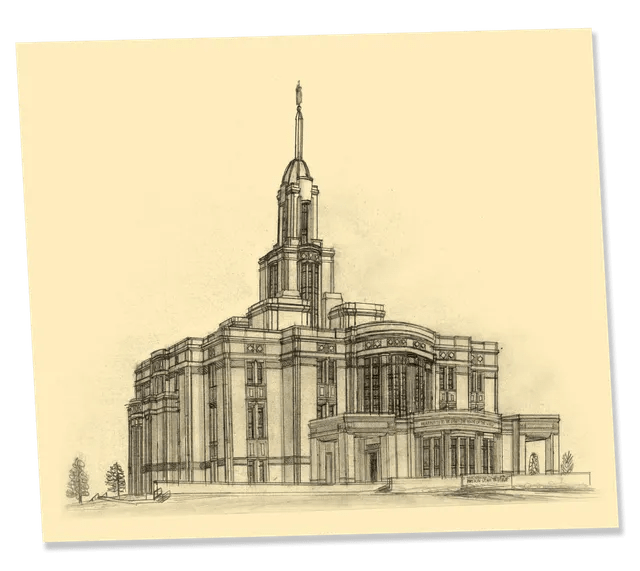
Friend November 2024 “My Temple Sketchbook” Brayden made a goal to draw all the temples. It has helped his brothers love the temple more. It has also helped him find his interests. He discovered he loves to design and wants to be an architect some day. It has also help him feel closer to Heavenly Father and Jesus. Whenever he draws a temple, he feels the Spirit.
Goals Help Us Gain Skills
Friend April 2024 “Breakfast is Ready” For a goal in the Children’s Guidebook, David asked his father to help teach him to cook. After much practice with his father he was able to make breakfast for the family of cut up fruit, pancakes, and bacon.
Family Goals
Friend January 2021 “Our Book of Mormon Goal” At Christmas, Mattea’s family all wrote down things that we were going to give Christ for the next year. Mattea’s grandma said she was going to read the Book of Mormon in four months. She had not gone to church since she was nine. All of Mattea’s aunts, uncles, and most of her cousins decided to read the Book of Mormon with her.
It’s Important to Try Your Best
Even if Fail
Friend January 2020 “Try Pie” Eliza tried out for volleyball team. She had practiced and prepared, but she didn’t make it. She wanted to hide in her bedroom, but her mom made her favorite, Key Lime Pie. Eliza asked why they were having dessert, and her father told her, “Part of learning new things means not always succeeding. That can be scary. But the important thing is you still tried.” Her parents were proud of her for trying something hard, and they thought that was worth celebrating with pie!
Friend January 2024 “The Reading Goal” Anders had dyslexia, and it made it difficult for him follow along or read during family scripture study because his brain mixed up words and letters. He decided to set a goal to read one scripture verse out loud each day. At first he did it in his room so no one could hear him. He didn’t think he was getting any better, but his teacher at school noticed how much he was improving. He realized the words were easier to understand. That night he read a verse out loud during family scripture study. Everyone was so happy for him, and he was proud of himself.
Friend October 2023 “Tashi’s Test” Tashi was having problems learning a language at school. His mom suggested that he set a goal to work on it and pulled out Tashi’s Children’s Guidebook. Every day he worked on it, and even he got extra help from teachers. Tashi felt proud of himself for working hard, and he also felt really good when he took his exams.
Friend July 2025 “Articles of Faith” What this means: When the Bible was translated, some ideas were lost, confused, or moved around. We believe in the parts of the Bible that were translated how Heavenly Father wanted. We believe that both the Bible and the Book of Mormon teach us truths from Heavenly Father and Jesus Christ.
Memorization Tip Article of Faith 8 is about the scriptures, which include the Pearl of Great Price. Eight rhymes with great.
Have the children stand in a line. Whisper the two- or three-sentence message into the ear of the first child in line. Have each child in turn whisper the message to the next child. Instruct each child to say the message only once. Continue until the message reaches the last child in line. Ask the last child to repeat the message aloud. Compare the message the last child received with the original message to see how the message changed.
How had the message changed by the time it reached the end of the line? What was left out? What was added?
Why do you think the message changed as it passed from person to person?
Explain to the children that just as their message changed as it was passed from person to person, over many years some of the scriptures in the Bible had been changed as people translated the Bible and made copies of it by hand. Mistakes were made: some incorrect teachings had been added to the Bible, and some important teachings had been left out. The Lord commanded Joseph Smith to prepare a translation of the Bible that would restore the correct teachings (see Articles of Faith 1:8).
Hannah sings praises to the Lord—Samuel ministers before the Lord—Eli blesses Elkanah and Hannah, and they have sons and daughters—The sons of Eli reject the Lord and live in wickedness—The Lord rejects the house of Eli.
Read to the children some of what Hannah said after the Lord blessed her with a son (see 1 Samuel 2:1–2). Share with the children a blessing you have received from the Lord and how it made you feel. Then invite the children to talk about blessings the Lord has given them. How can we show our gratitude to Him?
Friend October 2017 “Bread and Gratitude” For each letter of the alphabet, come up with something you’re thankful for!
Sing a song together that describes some of the blessings the Lord gives us, such as “My Heavenly Father Loves Me” (Children’s Songbook, 228–29). Invite the children to draw pictures of blessings they have received from the Lord.
Hannah’s poem of praise to the Lord may lead you to think of songs that you use to praise the Lord. You could sing some together. Your family members might also think of other ways to express their feelings for Jesus Christ. For example, they could draw pictures that show why they love the Savior. Come, Follow Me—For Individuals and Families: Old Testament 2022 “Ruth; 1 Samuel 1–3”
How would your family answer Ammon’s questions in Alma 26:2? Perhaps you could make a list of their answers on a large piece of paper and hang it in a place where everyone can see it. Encourage family members to add to it as they think of other blessings God has “bestowed upon us.” (Come, Follow Me—For Individuals and Families: Book of Mormon 2020 “Alma 23-29”)
New Testament Seminary Student Manual (2023) “Luke 11:1–13” Jesus compared a mortal father’s desire to give gifts to his children to Heavenly Father’s desire to give us gifts. Jesus taught that if an imperfect mortal father “know[s] how to give good gifts unto [his] children” ( Luke 11:13), “how much more shall your heavenly Father give good gifts, through the Holy Spirit to them that ask him?” (Joseph Smith Translation, Luke 11:14 [in Luke 11:13 , footnote a]).
Use an object lesson to illustrate the Savior’s teachings in Luke 11:11–13. For example, you could place a stone inside a bread bag or put a picture of a scorpion inside an egg carton. Ask the children to guess what is inside, and then show them. Invite them to replace the stone or picture with a piece of bread or an egg. Read Luke 11:11–13, and share your testimony that Heavenly Father loves us, answers our prayers, and gives us many blessings through His Spirit.
Friend March 2018 “Heavenly Father Listens” Elder Clayton felt the love of God as a teen when he prayed about some worries. Heavenly Father loves us and is interested in our lives just like a parent would be. (Activity page included: Find the hearts in the room of the girl who is praying.)
Find the things in the picture that show Heavenly Father and Jesus’s love for us.
Sing together a song about God’s love, such as “My Heavenly Father Loves Me” (Children’s Songbook, 228–29). What are some of the good gifts that He has given us? Ask the children to draw pictures of blessings from Heavenly Father that they are grateful for.
33 For what doth it profit a man if a gift is bestowed upon him, and he receive not the gift? Behold, he rejoices not in that which is given unto him, neither rejoices in him who is the giver of the gift.
You could start a discussion about Doctrine and Covenants 88:33 by asking your children to talk about gifts they have been given—both those they received joyfully and others they did not. Maybe they could act out receiving a gift with joy. Then you could talk about gifts Heavenly Father gives us (such as the gift of the Holy Ghost). How do we receive these gifts with joy?
The Red Crystal In a wrapped box you could put items such as a picture of the prophet, a blanket (you can share how that is like the Holy Ghost), the scriptures, and a picture of your family. How can we receive these gifts with joy? How can we show God we are grateful for these gifts? Then, let the children share additional gifts that God has given us.
Come, Follow Me—For Primary: Old Testament 2022 To praise the Lord means to express our gratitude and love for Him. Help the children learn that we are praising Him when we do things like sing, pray, and obey His teachings.
Invite the children to share experiences when someone praised them or told them they did a good job. Share some of the good things from Psalm 146:6–9 that the Lord has done, and invite the children to talk about other things He does for us. Help them think of ways they can praise Him for those things.
Friend November 2004 “Blessings Tree” Cut out the leaves and place them in a sack. Have the children take turns picking a leaf from the sack, telling how the item written is a blessing, and gluing it to the tree. When they pick a blank leaf, have them share a blessing of their choice that they are thankful for. Then write the blessing on the leaf and glue it to the tree.
Sing together a song of praise, such as “Beauty Everywhere” (Children’s Songbook, 232–33). Explain that for the Israelites long ago, the Psalms were like the songs we sing today to worship and praise God.
Come, Follow Me—For Individuals and Families: Old Testament 2022 You might invite your family to read a few verses of Psalms 146–50 out loud, trying to convey the feelings of the writer. How can we express our praise to the Lord? Family members might enjoy writing their own psalms of praise and sharing them with each other.
Come, Follow Me—For Individuals and Families: Old Testament 2022 The traditional Jewish name for the book of Psalms is a Hebrew word that means “praises.” That word, Tehillim, is also related to the exclamation “hallelujah” (meaning “praise Jehovah” or “praise the Lord”). If you had to choose one word to sum up the main message of the Psalms, “praise” would be a good choice. Some of the Psalms contain the direct invitation to “praise ye the Lord” (see especially Psalms 146–50), and all of them can inspire a feeling of worship and praise. The Psalms invite us to reflect on the Lord’s power, on His mercy, and on the great things He has done. We can never repay Him for any of this, but we can praise Him for it. That praise may take different forms for different people—it may involve singing, praying, or bearing testimony. It often leads to a deeper commitment to the Lord and to following His teachings. Whatever “praise ye the Lord” means in your life, you can find more inspiration to do it as you read and ponder the Psalms.
Friend October 1989 “Sing Praises” Lesson ideas and activity. (Activity: Look up scriptures where people in the scriptures sang praises to the Lord and then fill in the blanks.)
I can show my love for Heavenly Father by being grateful for my blessings. (younger children)
Tell the story of the ten lepers who were healed by Jesus. Show the picture found in this week’s outline in Come, Follow Me—For Individuals and Families and invite the children to count to ten on their fingers. Then ask them to put down nine fingers to show the one leper who thanked Jesus. Help the children think of someone they could thank for a kind or helpful action.
Invite each child to act out something he or she is grateful for, and have the rest of the children guess what it is. Ask the children to share ways we can show Heavenly Father that we are thankful for our blessings.
Story: Read the story “One Thankful man” on page 46. How can you show gratitude?
Song: “Thanks to Our Father” (Children’s Songbook, 20)
Activity: Cut out 10 strips of paper. On each strip, write (or draw) one thing you are grateful for. Loop the strips around each other and glue or tape the ends together to make a chain. Hang your gratitude chain somewhere you will see it often.
Play this gratitude guessing game with your little ones! Choose something you’re grateful for, but don’t say what it is yet. List reasons why you are grateful for that person or thing until your child guesses correctly. Then it’s their turn!
Leprosy, more common anciently than today, is a skin disease that can lead to physical disfiguration and death. In biblical times, people with leprosy were separated from the rest of society and were required to call out “Unclean!” to warn anyone approaching them (see Bible Dictionary, “ Leper,” “ Leprosy ”).
Read together the account of the ten lepers. How was the leper who gave thanks blessed for his gratitude? Why is it important to thank God for our blessings?
The Lord often blesses us more if we are grateful for what He has already given us.
Friend April 2019 “God’s Great Gift” President Nelson asked the person who daily fed some tropical fish if they had ever thanked her. He says that some people are like those fish. They are not aware of God and His goodness to them.
Invite the children to list things they are grateful for that start with each letter of their name.
Friend November 2017 “Family Night Fun” Ways you can look for blessings every day.
Display the empty cup, the spoon, and the container of water. Ask the children to think of the many blessings Heavenly Father has given them, and explain that each time they name a blessing they may take a spoonful of water from the container and put it into the cup.
Place the cup and the container of water in the pan or dish to catch spills, and place the pan or dish on a flat surface such as the table or floor.
You may want to use the following questions to help the children think of their blessings:
What are some of the beautiful creations Heavenly Father has given us?
Who are some special people he has blessed us with?
What things can our wonderful bodies do?
Have the children take turns naming blessings and putting spoonfuls of water in the cup until the cup is filled to overflowing. Explain that Heavenly Father loves us and has given us many blessings. When we think of these blessings, we are thankful and filled with love for Heavenly Father. Heavenly Father has given us so many blessings that we can overflow with love, just like the cup overflowed with water.
Ask the children to write thank-you notes to Heavenly Father for the blessings He gives them. They could hang the notes by their beds to remind them to express gratitude when they pray.
The Lord often blesses us more if we are grateful for what He has already given us. How can you help the children you teach be grateful for their blessings?
Ask the children to read Doctrine and Covenants 78:19 and find what the Lord promises to those who are thankful. Help the children understand what “an hundred fold” means, perhaps by showing a small object and then 100 of that same object.
Sing a song about gratitude, such as “I Am Glad for Many Things” (Children’s Songbook, 151), or watch the video “Think to Thank” (ChurchofJesusChrist.org). Give the children time to make lists of things they are thankful for. Encourage them to list as many things as possible in the time you give them.
Family members could draw pictures of blessings from God they are thankful for. What are we doing to express our thankfulness for these blessings? You could also discuss how your family is following the counsel to receive “all things with thankfulness” (verse 19). What does the Lord promise to those who do?
Read Mormon 3:3 and 9 to the children, and explain that the Nephites had not recognized that Heavenly Father had blessed them. (Instead they became prideful and boasted in their own strength.)
What happens when we become prideful and boastful and wicked? We lose the guidance and protection of the Holy Ghost and we are left to our own devices. What happened to the Nephites after they became boastful and vengeful. (See Mormon 3:11 & 4:1-5) They faced the consequences of their actions.
Help the children think of blessings Heavenly Father has given them. Show pictures or objects to give them ideas. What can we do today to show we are thankful to Heavenly Father for our blessings?
Help the children think of blessings Heavenly Father has given them, and ask them to draw pictures of some of these blessings. Invite them to hang their pictures somewhere at home where they can see them and remember that Heavenly Father blesses them in many ways. You could also invite them to identify blessings that come from Heavenly Father as they sing the first verse of “I Thank Thee, Dear Father” (Children’s Songbook, 7).
Tell the children something that you are thankful for, and ask them to share things they are thankful for. Read Doctrine and Covenants 59:7, and help the children think of ways they can thank Heavenly Father for their blessings. What could they make to take home to remind them to thank Heavenly Father for their blessings?
Sing together a song about gratitude, such as “For Health and Strength” (Children’s Songbook, 21). Invite the children to replace words in the song with other things they are thankful for.
Let the children draw pictures of things they are thankful for.
Make thankful journals with your family! Fold pieces of paper together like a book and decorate the cover. Every night before you go to sleep, write or draw three things you are grateful for.
These verses might prompt your family members to think of ways your family has been blessed. How can we follow the counsel to “beware lest thou forget the Lord”? (Deuteronomy 6:12). You may want to record your feelings about your blessings, perhaps in a journal or on FamilySearch. (Come, Follow Me—For Individuals and Families: Old Testament 2022)
Friend April 2019 “God’s Great Gift” President Nelson asked the person who daily fed some tropical fish if they had ever thanked her. He says that some people are like those fish. They are not aware of God and His goodness to them.
Friend November 2017 “Family Night Fun” Ways you can look for blessings every day.
Friend April 2017 “Blessings All Around” Action rhyme for little ones.
Friend August 2016 “Happy Sabbath: Thank You” Activity idea of making bread and for every ingredient added saying something Heavenly Father has blessed you with. Also demonstrates the sign language for saying “thank you.”
Friend November 2017 “For Older Kids” What are you grateful for? Set a timer for five minutes, and see how many things you can write down! Write them in your journal.
After arriving safely in the promised land, the Jaredites were so thankful that they “shed tears of joy” (Ether 6:12).
Read to the children phrases from Ether 6:9 and 12 to teach them how the Jaredites showed their gratitude to the Lord for helping them reach the promised land. Ask the children to name some things they are thankful for. Sing together, like the Jaredites did, a song that expresses gratitude, such as “I Thank Thee, Dear Father” (Children’s Songbook, 7).
Read to the children Ether 10:2 to show that even many years later, the Jaredites remembered how the Lord had helped their ancestors cross the ocean. Help the children think of ways the Lord has blessed them. Then let the children draw pictures to remind themselves of these blessings (or help them choose from some pictures you bring, perhaps from a Church magazine).
One thing that distinguished the righteous Jaredite kings from the wicked ones is that the righteous kings “remembered the great things that the Lord had done” for them (Ether 7:27).
Ask the children to read Ether 6:30; 7:27; and 10:2 individually or in small groups and find something that these verses have in common. Share your feelings about what the Lord has done for you, and invite the children to do the same.
Share with the children about how you try to remember ways the Lord has blessed you and your family. Help the children think of ways they can remind themselves what the Lord has done for them. Give them each a piece of paper, and invite them to ponder and write down something He has done for them recently. Suggest that they make a regular habit of writing down blessings they notice from the Lord (see “O Remember, Remember” [video, ChurchofJesusChrist.org]).
“I will remember the works of the Lord.”
PSALM 66 Praise and worship the Lord—He tests and tries men—Sacrifices are to be offered in His house.
PSALM 77 The righteous cry unto the Lord—They remember the wonders of old, how He redeemed the sons of Jacob and led Israel like a flock.
PSALM 78 The Israelites are to teach the Lord’s law to their children—Disobedient Israel provoked the Lord in the wilderness—The Egyptian plagues are recounted—The Lord chooses and blesses Judah and David.
Ask the children to share with you some of their favorite stories from the scriptures (pictures from the Gospel Art Book might help them think of stories). Why do they like these stories? What do these stories teach us about the Lord? Read together Psalms 77:11; 78:7. Why is it important to “remember the works of the Lord”?
Read to the children Psalm 77:11, and tell them how you try to “remember the works of the Lord,” including His works in your life. Invite the children to draw pictures to help them remember the great things He has done.
Ask the children to read Psalm 66:16 and think about or write down answers to the question “What has the Lord done for my soul?” Then let them share their answers, if they’d like. What can we do to “always remember” (Moroni 4:3; 5:2) what the Lord has done for us?
Joshua places twelve stones to commemorate the crossing of the Jordan—Joshua is magnified before the children of Israel as they cross the Jordan—After the priests bearing the ark pass over, the river returns to its course.
Come, Follow Me—For Individuals and Families: Old Testament 2022 “Joshua 1–8; 23–24” After reading what the Lord wanted the Israelites to do with stones from the Jordan River, your family could talk about some of the great things the Lord has done for you. Then you could give each family member a stone and invite them to write or draw on it something the Lord has done for them.
Story: God helped Joshua part the River Jordan so the people could walk across on dry ground. Then God asked Joshua and his people to collect stones from the river to remember how God helped them (see Joshua 4:5–7).
Song: “Where Love Is” (Children’s Songbook, 138–39)
Activity: Find rocks to paint or color. Write the word remember on them. While you decorate them, talk about ways God has helped you.
Ask the children if they remember some of the miracles the Lord performed to bless the Israelites in the wilderness. (If the children need help, show them pictures from the April 4–10 outline in Come, Follow Me—For Individuals and Families; see also Exodus 14:21–22; 15:23–25; 16:4. (Ideas include the plagues of Egypt, crossing the Red Sea, manna, water from rocks, defeating enemies in battles, etc. ) Then summarize for them Numbers 11:4–10, emphasizing that the Lord was unhappy because the Israelites were complaining. Help the children think of ways they can show gratitude to the Lord.
Story: Sometimes the Israelites forgot how the Lord had helped them. God wants us to remember to be grateful. It makes us happier too!
Song: “My Heavenly Father Loves Me” (Children’s Songbook, 228–29)
Activity: Play a gratitude game! Mark some sticks with one of three colors. Then take turns choosing a stick. For one color, name a person you are thankful for. For another color, say a place you are thankful for. For the third color, say a thing you are thankful for.
Sing together a song about gratitude, such as “Count Your Blessings” (Hymns, no. 241). Invite each child to draw pictures of blessings the Lord has given them or their families. Encourage them to think about or look at their picture whenever they are tempted to complain about something they don’t have.
This video is not produced by the Church of Jesus Christ of Latter Day Saints or any of its members, but it has visuals and words to help you sing the song.
Friend February 2023 “What’s on Your Mind?” A letter to the Friend asks how to feel happier. The Friend responds with, “One thing that can help us feel happier is gratitude.” They also suggest playing The Thankful Game. (See more at link)
Friend January 2025 “Too Angry to Pray” Gabriela had a really bad day. She wanted to say a prayer to help her feel better, but she was too upset. What could she do to calm down? After a few seconds, a thought came to her mind. Think of things you are grateful for. She started looking around and found lots of things to be grateful for. Gabriela had never realized how many good things were in her life. Her heart became peaceful again.
Gratitude is Antidote to Jealousy
For the Strength of Youth April 2024 “Antidotes to Relationship Toxins” An antidote is a medicine that counteracts a poison or toxin. Figuratively, an antidote is something that “cures” a bad feeling or situation. For example, President Russell M. Nelson said, “Charity is the antidote to contention.”1 Not all physical poisons have antidotes. But through the Savior, we can find cures for our personal poisons—including the ones in our relationships with others.
Giving Thanks Even When Things Don’t Go Our Way
Friend November 2023 “The Tryouts” Jared was excited to try out for the regional basketball team. Only a few players get invited to try out for it. But when he found out it was on Sunday his excitement faded. But he knew God was more important than basketball. He said a prayer and afterwards felt a comforting feeling that everything would be okay. Two days later he got an email saying tryouts would be on Saturday instead. He prepared very hard for the tryout and did his best but wasn’t selected. Then, a comforting thought came to him. “Things won’t always work out how I want,” he said. “But Jesus Christ knows exactly how I feel. He’s on my side.”
Draw on the board the sky and the ground, and label them Heavens and Earth. Then invite the children to read Isaiah 55:9 to find out what the Lord compared to the heavens and the earth, and ask them to add these other labels to the drawings. What does it mean that the Lord’s ways and thoughts are “higher” than ours? Why is it important to know this?
Heavenly Father sees and knows all things. He can help us get to a higher place so we can see as well.
Discuss with the children some of the Lord’s ways that are higher than our ways. For example, what is His way of treating sinners? (see Mark 2:15–17). What is His way of leading others? (see Matthew 20:25–28). How are His ways different from the ways of others? Tell the children how you have learned to trust the Lord’s higher ways and thoughts.
Activity: Print the scriptures below (on colored paper.) Cut them out. Tape them onto the board or hand them out to children.
Read a situation below and then have the children tell what the world’s way is and write that on the ground that is drawn on the board. Have the children look at the scripture cards and have them find the Lord’s way for the situation. Discuss why the Lord’s way is higher and better. Have a child tape that scripture card on the board in the sky. Continue until all scripture cards are on the board.
1 Your friends have invited you to a movie. When you get there, you realize that it is not a good, wholesome one. Your friends decide to see it anyway. What choice will you make?
2 Someone wants you to try drugs, smoke, or drink alcoholic beverages, saying that using such things will make you feel good. Will you do it to see if he is right?
3 You break the cookie jar while getting some cookies. Your mother asks you what happened. Will you avoid the blame by telling her that you don’t know who broke it?
4 Some of your friends swear. Will you swear, too, so that you can be more acceptable to the group?
5 Your friends invite you to go to the circus on Sunday after your church meetings are over. What will you tell them?
6 You don’t know an answer on a test at school. You promised your parents that you would try to get a good grade. Will you look at your neighbor’s paper for the right answer?
7 You earn some money to buy a new toy. When you go to pay for it, it costs more than you thought. Will you add your tithing money to what you have saved so that you can buy the toy?
8 Someone tells you some gossip about a friend. Will you pass it on to your other friends?
9 You’re very tired and get into bed before remembering to pray. Will you skip praying for one night?
10 Your brother is being mean and teasing you, and you want to get even with him. What will you do?
11 Your mother asks you to do your chores. Your friends just called you to play a game of ball. Which will you do first?
12 You see a student put some money into his desk at school. Will you take it so that you can buy some candy on the way home?
Before class, write on the board several phrases from Isaiah 51–52 that express actions the Lord wanted His people to do, such as “Lift up your eyes,” “Awake,” “Stand up,” “Shake thyself from the dust,” and “Break forth into joy” (Isaiah 51:6, 17; 52:2, 9). Let the children take turns acting out one of the phrases while the rest of the class tries to guess what the action is. After each turn, show the children the phrase in the scriptures, and discuss with them the spiritual meaning of the phrase. What is the Lord asking us to do? How can we do each of these things?
Invite the children to read Isaiah 51:1, 4, 7 and identify who the Lord is speaking to and what He wants them to do. What does it mean to “hearken unto” the Lord? To illustrate, ask one of the children to give simple instructions that the others have to follow. Why is it sometimes hard to listen to and obey the Lord? How can we show the Lord that we “hearken unto” Him?
The Wise Man and the Foolish Man Explain that “the wise man built his house upon the rock” means that wise man built his life upon the teachings of Jesus. The foolish man didn’t and his house (life) fell apart in the storms of life. Discussion Ideas: What things in our life are like the rain and wind? How does following Jesus’s teachings protect us and make our faith strong as a house built on a rock? Song: “The Wise Man and the Foolish Man” (Children’s Songbook, 281) Scripture: Matthew 7:24–29
Rock Art: Choose a smooth rock. With a marker or paint, write “Jesus Christ” on it. Talk about why it’s so important to build our lives on His teachings. Keep the rock in a place where you can see it often.
Sing with the children “The Wise Man and the Foolish Man” (Children’s Songbook, 281), and use actions to go along with the words.
Use Matthew 7:24–27 to teach about the differences between the wise man and the foolish man. Invite the children to pretend they are building a house. How can we be like the wise man?
Let the children draw pictures of the parable of the wise man and the foolish man.
Friend March 2018 “Food and Fun: Wisdom Rocks” Put a wise thought or scripture on a rock to inspire you.
Come, Follow Me—For Sunday School: New Testament 2023 “Matthew 6–7” To visualize this parable, class members could work together to build a strong foundation using blocks, cups, or other materials and then test the strength of their foundations. Perhaps they could also label their building materials with things they can do to apply the Savior’s teachings. How could doing these things help us withstand the storms of life?
To help your family better understand the Savior’s parable of the wise man and the foolish man, you could let them pour water on sand and then on a rock. How can we build our spiritual foundations on a rock?
As you read Matthew 23:25–28 with the children, consider sharing this definition of hypocrite from the Bible Dictionary: “One who pretends to be religious when he is not.” Why is it bad to be a hypocrite?
Show the children a cup that is clean on the outside but dirty on the inside to help illustrate the metaphor in Matthew 23:25. How can we make sure we are clean and pure on the inside?
“Lesson 20: ‘Woe unto You, … Hypocrites’” New Testament: Gospel Doctrine Teacher’s Manual Explain that Jesus compared the Pharisees to a cup that is clean outside but dirty inside (Matthew 23:25–26). The Pharisees paid a great deal of attention to outward ordinances and actions that would make them appear righteous, but they were not as concerned with actually being righteous in their hearts. For this Jesus referred to them as hypocrites. This lesson will discuss the Savior’s condemnation of hypocrites—people who try to appear righteous but who do not try to live righteously.
President Dieter F. Uchtdorf explained, “[Jesus] rose up in righteous anger against hypocrites like the scribes, Pharisees, and Sadducees—those who tried to appear righteous in order to win the praise, influence, and wealth of the world, all the while oppressing the people they should have been blessing” (“On Being Genuine,” Ensign or Liahona, May 2015, 81).
Hosea 10:12 uses the images of sowing, reaping, time, and rain to invite us to seek the Lord. As you read this verse, what creative ideas come to mind that could inspire the children to seek Him?
Read Hosea 10:12 to the children, and invite them to do simple actions to help them understand the verse, such as pretending to plant seeds, pick vegetables from a plant, or stand in the rain. Or show pictures of seeds, plants, and rain. Help the children compare planting a seed and reaping good food to living righteously and receiving the Lord’s blessings. Testify of the blessings the Lord has rained upon you as you have tried to seek Him.
Draw a clock on the board, and ask the children to share ways we can seek the Lord at different times of the day. Invite the children to repeat with you the phrase “It is time to seek the Lord” (Hosea 10:12). Help them understand that it is always time to seek the Lord. Share what you do to remember Him all the time.
Before reading the story, invite the children to listen for how old Mormon was when Ammaron gave him a special mission. Then ask them to hold up that many fingers. To help the children imagine how young Mormon was, show them a picture of someone who is 10 years old. Help them understand the qualities that Ammaron saw in Mormon when he was young, and testify that the children can be like Mormon as they follow Jesus Christ.
What does it mean to be “quick to observe”?
Ensign, Dec. 2006 “Quick to Observe” Quick to observe in the scriptures has two meanings. The first means “to look” or “to see” or “to notice.” The second suggests “to obey” or “to keep.” For example: “But blessed are they who have kept the covenant and observed the commandment, for they shall obtain mercy” (D&C 54:6;). So, quick to observe means quick to see and quick to obey.
What righteous qualities do you see in the children you teach?
What words did Mormon use to describe the world he lived in? How did he maintain hope despite the wickedness around him?
Beginning in the first chapter of Mormon, you will notice major differences between Mormon and the people around him. As you read Mormon 1, consider contrasting the qualities and desires of Mormon with those of his people. Note the consequences that came to him and them (you’ll find one example in verses 14–15). What do you learn that inspires you to live righteously in a wicked world?
To help your family visualize what it means to be “driven about as chaff before the wind” (verse 16), tear a piece of paper into small pieces and let family members blow them around. Explain to them that chaff is a husk that comes off a seed, and it is light enough to be blown around. How is being “without Christ and God in the world” (verse 16) like being chaff in the wind?
Friend July 2021 “Vaha’i Tonga”Vahai’ was determined to remain faithful, so he said his prayers every night at boarding school. At first the other kids made fun of him, then they started to join him. He invited them to a district conference and 77 of them came. Seven of them wanted to be baptized after the conference.
I can be faithful even when others make fun of me. (Sr)
Ask children to share times when others made fun of them or someone they know because they did what is right. Invite the children to read Jude 1:18–22 and look for how we can remain faithful when others mock or make fun of us. Write what they find on the board, and discuss ways they can follow this advice. (Come, Follow Me—For Primary: New Testament 2023 “1-3 John; Jude”)
People in a large building on the other side of the river made fun of those who ate the fruit. Some who had eaten the fruit became ashamed and left the tree.
Matthew CHAPTER 5 Jesus preaches the Sermon on the Mount—Its teachings replace and transcend some aspects of the law of Moses—All are commanded to be perfect like their Father in Heaven.
Luke CHAPTER 6 Jesus heals on the Sabbath—He chooses the Twelve Apostles—He pronounces blessings upon the obedient and woes upon the wicked. Sermon on the Mount
Explain that the beginning of Jesus’s sermon includes what is known as the “Beatitudes.” Beatitude means to be blessed or happy. In these verses, Jesus identified attributes that He and His Father possess that lead to true happiness in this life and in the life to come. Developing these attributes will help you become more like Heavenly Father and Jesus Christ.
Create a chart on the board with two columns labeled Blessed are … and Blessing. Invite the children to search Matthew 5:3–12 looking for the qualities of those Jesus said would be blessed and the blessings He promised them. Then fill in the chart with what they find. Discuss with the children what each quality and corresponding blessing mean.
Write each quality from these verses on a card and its corresponding blessing on a card. For example, one card would say “meek,” and another would say “inherit the earth” (verse 5). Let the children match the qualities and the blessings. Ask the children to pick one of the qualities in these verses that they want to develop.
Friend March 2019 “Sermon on the Mount” The scriptures teach us about a special talk (or “sermon”) that Jesus gave called the Sermon on the Mount. Look up the scriptures below and match them with what Jesus taught.
Friend April 2004 “If I Choose to Obey, I’ll Be Happy All Day!” In the Sermon on the Mount (see Matt. 5; 3 Ne. 12) Jesus taught us how to live so we can be happy. Some of these teachings are known as the Beatitudes. Beatitude means “happiness” or “blessing.” To make a Beatitude Book, glue page 29 onto a sheet of paper. Cut on the solid lines. Glue the second strip to the tab on the first strip. Fold back and forth on the dotted lines.
Friend February 2023 “Scripture Toss” Put this page on the ground. Take turns tossing a beanbag onto the paper. When the beanbag lands on a square, read that scripture verse. If someone has already read that verse, tell what it means to you. Or you can tell how you can do what it teaches.
Friend February 2023 “Come, Follow Me Activities for Little Ones”Tell your little ones that we are happy when we choose the right like Jesus did. Hang up a paper with a smiley face drawn on it. Add a smiley face each time your little ones make a “happy” choice.
In Matthew 5, the Savior teaches His disciples a higher law to live by so they can become like Him.
Read the beatitudes in Matthew 5:1–12. Talk about each characteristic and the promise that goes with it.
Write each person’s name on a separate sheet of paper.
Give each person a paper, making sure they don’t get one with their own name written on it.
Have everyone draw a picture of a time when the person on their paper exemplified one of the beatitudes. Write a sentence about it. For example, “Hannah is a peacemaker because she shared with her sister.”
Look up the blessing associated with that beatitude and write it at the bottom of the page.
When we live the gospel, we treat each other with love and kindness, and as a result we enjoy greater peace and happiness in our lives.
Print and cutout the words and faces . Show the children the words. Have them put the words they associate with happiness under the smiley face and words they associate with unhappiness under the sad face. Explain that after Jesus visited the Nephites, they lived his teachings and lived in happiness. According to 4 Nephi 1:16 there never was a happier people.
Fairness/Every man did deal justly one with another.
Sharing/They had all things common among them. (There were no poor.)What does it mean that the people had “all things common among them”? Each person gave the extra he produced (crops, flocks, etc), and this extra was used for those who were in need of help.
Healing/All manner of miracles did they work. (Read 4 Nephi 1:5) The miracles included healing the lame, the blind, the deaf, and raising the dead.)
Peace/There were no contentions, strifes, or tumults in the land. (Meaning there was no fighting, arguing, riots, or war.)
Charity/The love of God … did dwell in the hearts of the people.
Goodwill/There were no envyings. (There was no jealousy. There was only gladness that others were blessed.)
Honesty/There were no … lyings.
Safety/There were no robbers or murderers.
Virtue/There were no whoredoms nor any manner of lasciviousness (crude behavior). (The people were chaste and clean.)
Unity/ There were no divisions of race or class. (There was no manner of “ites.” The people were no longer divided into Nephites and Lamanites but were united.)
After nearly 200 years sin slowly started creeping into the land again. As the people let wickedness into their lives, it spread
The choices they made resulted in misery and unhappiness for many people. The words under the sad face is what occurred. If we are good examples to the people that are around us we can help people gain happiness in this life and in the life to come.
Come, Follow Me—For Home and Church: Book of Mormon 2024 “Alma 36-38” Your children might enjoy finding small items that make big things happen. Items like a battery, car key, or even a toy that comforts them might be examples. You could then read Alma 37:6–7 together and think of some small or simple things that God wants us to do. What big things can happen when we obey these small or simple commandments?
Come, Follow Me—For Primary: Book of Mormon 2020 “Alma 36-38” Show a picture or two of small things that accumulate into big things, such as a blade of grass and a field, or a raindrop and a lake. Testify that even small, simple actions can make a big difference in our lives and in the lives of others. Encourage the children to talk about some simple, good things they do every day, or share your own examples. Invite the children to pick one simple, good thing they can do this week and to draw a picture of themselves doing it. Invite them to take their drawings home and share them with their families.
With Heavenly Father’s help, small things can make a big difference (see Alma 37:6–7). Help make your favorite recipe. What would happen to the recipe if you took out one of the ingredients? Talk about how small things can make a difference and how you can make a difference too.
For younger children: Look for small things that are helpful, like a small seed that turns into a plant or a light switch that turns on light. Talk about how small things can make a big difference, just like you!
Your children could also try something like this: start filling a cup with water, one drop at a time. How does this relate to Alma 37:6–7? Then you could talk about how the Lord’s “small and simple things,” such as reading the scriptures daily, are like drops of water in a cup.
Help your children think of ways that they bring about great things at home, school, or church. The song “‘Give,’ Said the Little Stream” (Children’s Songbook, 236) also illustrates this principle.
Read Alma 37:6–7, and invite the children to crouch down every time you read the word “small.” Show them a few small things that can make big things happen or move big things, such as a battery or a car key. What big things happen or move because of these small things? Help the children think of some small or simple things God wants us to do. What big things can happen because of these small or simple commandments? Invite the children to pick one simple, good thing they can do this week and to draw a picture of themselves doing it.
Friend July 2020 “Come Follow Me for Little Ones” Read Alma 37:6 together. Crouch down when you hear the word “small” and jump up and spread your arms wide when you hear the word “great.” You could use the scripture verse or repeat the phrase, “Small things can make a great difference!” Talk about how small things like reading the scriptures or praying can make a great difference.
Good Works Fashion Show The family Come Follow Me manual had a super fun idea for a good works fashion show that we’re going to use. Our girls LOVE dressing up, so here’s how we’re planning on doing it: Explain that 1 Timothy 2:9-10 tells us we should “adorn [ourselves]…with good works.” Summarize what this means. How are we better examples to people when we do good works?
Set out a pile of fun clothing/jewelry/sunglasses.
Cut up the scenario pieces below and place them in a bowl or bag. Take turns drawing pieces out of the bowl/bag.
When the piece is pulled out, read it and ask: Is this a good/beautiful thing to do? If the answer is YES, then they can choose an item from the pile, tape the good work paper onto it, and wear that item.
Continue until all of the pieces have been talked about. After this, to earn any remaining items in the pile, family members can take turns stating additional good works they could do.
Wrap it up by reading D & C 25:15 and tell them to listen carefully for what kind of item we will receive if we follow the Lord and keep His commandments (a crown of righteousness). 2 Timothy 4:8 also mentions a “crown of righteousness.”
Perhaps an analogy would help your children understand “the powers of heaven.” For example, you could compare God’s power to electrical power. What might prevent an electrical device from receiving power? What decreases our spiritual power? What increases it? (Look for words and phrases in Doctrine and Covenants 121:34–46; see also General Handbook, 3.5, 3.6, Gospel Library.)
Draw a line with the words high power at one end and low power at the other. Draw an arrow pointing at the middle of the line. Choose several words or phrases from Doctrine and Covenants 121:34–46 that teach how we decrease or increase heavenly power in our lives (such as “cover our sins,” “pride,” “gentleness,” and “love”). Invite the children to take turns picking a word, deciding if the word leads to a decrease or increase in power, and moving the arrow accordingly. Talk with the children about people they know who have been a good influence on others because they follow the Lord’s counsel in these verses.
Read Doctrine and Covenants 121:41–42, 45, and ask the children to list qualities in these verses that the Lord wants us to have. Help them define any words they don’t understand. Assign each child one quality, and help them think of a way that they can show it. Once they have all shared, ask them to read verses 45–46 and list the blessings they will receive if they develop those qualities.
Friend February 2026 “Sacrament in the Sahara” When Isabelle was a young girl, her dad worked in the French military, and they had to live in the desert at one time. There were no other Church members nearby, so they got permission to have the sacrament in their home. They also sang hymns and gave talks. Seeing her parents live the gospel in the Sahara Desert helped her testimony begin to grow. It gave her faith in God to do the right thing, even when no one was watching.
Activity: The Sahara Desert is the largest hot desert in the world! It can be easy to feel small in a big place. But God never forgets us and can always be with us. Can you find the scenes above in the picture?
1. Oh, the joy that I feel when I follow the Savior, Living the gospel of Jesus Christ. Caring with love as I’m serving my neighbor, Living the gospel of Jesus Christ.
I can live, I can care, I’ll invite and unite, Living the gospel of Jesus Christ.
2. Oh, the joy that I feel when I say, “Come and see!” Living the gospel of Jesus Christ. I will share of His light and invite my friends with me, Living the gospel of Jesus Christ.
I can live, I can care, I’ll invite and unite, Living the gospel of Jesus Christ.
3. Oh, the joy that I feel when I honor my parents, Living the gospel of Jesus Christ. I’ll prepare in my home for the Lord’s sacred cov’nants, Living the gospel of Jesus Christ.
I can live, I can care, I’ll invite and unite, Living the gospel of Jesus Christ.
4. Oh, the joy that I feel when I’m faithful and true, Living the gospel of Jesus Christ. Serving each day, there’s important work to do, Living the gospel of Jesus Christ.
I can live, I can care, I’ll invite and unite, Living the gospel of Jesus Christ. Living the gospel of Jesus Christ.
Friend January 2022 “You Are a Beloved Child of God” “You are a beloved child of God. Please remember that fact. If you never forget that one pure truth, you can face any problem with faith and courage. I know that Heavenly Father watches over you. He loves you very much, and so do I.” (President Russel M. Nelson)
Many people struggle with feelings of low self-worth; others are unkind toward people who are different from them. The powerful message of Doctrine and Covenants 18:10 can change how we view ourselves and people around us.
Repeat verse 10 with the children, this time replacing “souls” with the children’s names.
Help the children think of things that people consider valuable. Then let the children take turns looking in a mirror, and as they do, tell each child that he or she is a child of God and of great worth. Testify that to Heavenly Father, they are more valuable than all the things they thought of earlier.
Ask each child to write his or her name on a piece of paper and pass the papers around the room. Invite them to write on each paper they receive something they like about that person. Encourage them to be kind and thoughtful in their comments. Then help the children read Doctrine and Covenants 18:10–12, and invite them to share what they learn about how God feels about us. Explain that we are all of great worth to God because we are His children.
Show the children something that is very valuable to you. How do we treat things that are valuable to us? Ask a child to read Doctrine and Covenants 18:10. How can we show other people that “the worth of [their] souls is great” in our sight?
Each family member could read Doctrine and Covenants 18:10–13 and substitute his or her name in place of the words “soul,” “souls,” and “all men.” You could then discuss how these verses help us understand our worth to the Father and the Son (see Doctrine and Covenants 19:16–19).
Circle of Worth: Oliver Cowdery and David Whitmer were counseled to remember that “the worth of souls is great in the sight of God” (Doctrine and Covenants 18:10). As we help others to see their own worth, we bring them nearer to Christ while becoming closer to Him ourselves.
Invite family members to sit in a circle.
Each person will take a turn standing in the middle of the circle.
Everyone sitting in the circle will tell the middle person, “You matter to me because ___________,” and share specific details of why that person is of worth to them.
The middle person will then choose their own statement of personal worth: “I matter to God and myself because __________.”
Discussion: Why is it important to remember our own worth as well as the worth of those around us? If Christ were in the circle, what would He say about us? Read Doctrine and Covenants 18:10–13 and discuss what Christ went through because of how much He loves and values us.
Make a paper lily to remind you of Heavenly Father’s love and care. Trace your hand on a piece of paper and cut it out. Roll the hand shape into a cone. Then roll each “finger” around a pencil to curl the paper outward for the petals. If you want, you can tape your flower to a stick to make a stem.
Friend June 2024 “The Scripture Hunt” Calan’s Mom and Dad always told him that Heavenly Father loved him. His parents showed him love in lots of ways, like giving him hugs. But he had never gotten a hug from Heavenly Father, so how did he know it was true. His Mom and Dad said the Book of Mormon told about things Heavenly Father wants us to know, so he decided to search there to find the answer to his question. After many searches in the Book of Mormon he found a scripture that Nephi said, “I know that he loveth his children” (1 Nephi 11:17). Calan felt a powerful feeling in his heart as he read it. It felt like a big hug. Heavenly Father did love him!
Ensign October 2017 When we read the scriptures or pray, we can feel how much Heavenly Father and Jesus love us. Color in a heart each time you pray or read your scriptures. What else can you do to feel close to Heavenly Father and Jesus?
William E. McLellin had five specific questions for the Lord. Joseph Smith received answers to them in a revelation even though he did not know what William’s questions were. This experience could help you teach the children that God is aware of them and can answer their questions.
Tell about how the Lord answered William E. McLellin’s questions through a revelation from the Prophet Joseph Smith (see Doctrine and Covenants 66, section heading). Testify that Heavenly Father knows us and wants to help us. Ask the children to share how they know that God loves them.
Read to the children Doctrine and Covenants 66:4. Tell the children about a time when the Lord showed you what He wanted you to do. Read the verse again, this time inserting the name of one of the children. Repeat for each of the children.
Friend March 2018 “Heavenly Father Listens” Elder Clayton felt the love of God as a teen when he prayed about some worries. Heavenly Father loves us and is interested in our lives just like a parent would be. (Activity page included: Find the hearts in the room of the girl who is praying.)
Show a picture of Zacchaeus in the Sycamore Tree (in this outline or at ChurchofJesusChrist.org). Help the children find Zacchaeus and say his name. Create actions for the children to do as you tell the story of Zacchaeus and Jesus—for example, standing on their toes to see over a crowd or pretending to climb a tree. Explain that the Savior saw Zacchaeus and called him by name. Testify that the Savior also knows each of the children and their names.
Bring an empty picture frame to class, or make one out of paper. Invite each child to take a turn holding the frame around his or her face while the rest of the class says, “Heavenly Father and Jesus know [child’s name].”
Sing together a song about Heavenly Father’s love, such as “I Am a Child of God” (Children’s Songbook, 2–3). Help the children listen for things that help them know Heavenly Father loves them.
Heavenly Father and Jesus Christ know me and love me.
Make short lists of things you know about each child. As you read the lists one at a time, ask the children to guess who you are describing. Read Psalm 139:1–3, and help the children understand words they might not know. Testify that Heavenly Father and Jesus know them very well—They know their names, what makes them happy and sad, and things they do well.
Song: “I Feel My Savior’s Love” (Children’s Songbook, 74–75)
Activity: Write each person’s name on a small piece of paper and put it in a box or bowl. One person pulls out a name. Each person takes a turn to ask yes or no questions until someone guesses the name. Talk about how our Heavenly Father knows us—our name, what we like to do, and everything about us.
“Heavenly Father Loves Me, and He Has a Plan for Me” (January 2013 Liahona and Friend)Nathaniel knows his grandma loves him because she knew the things he liked. His grandma explained that was someone else who had known him and loved him longer than anyone, before he even came to earth. Heavenly Father
Read Psalm 139:23, and invite the children to put their hands on their hearts when you say “heart” and to touch their heads when you say “thoughts.” Share a time when you felt God knew your heart and your thoughts.
Friend April 2016 “Your Future Home” Story of President Eyring’s desire for a home full of charity that he wanted for his family when he grew up. He didn’t talk to anyone about those feelings, but when he got his patriarchal blessing the patriarch described what he had been yearning for. It was not secret, because God knew.
Feeling the “everlasting love” of Heavenly Father and Jesus Christ will help the children you teach draw nearer to Them.
Show the children some objects (or pictures of objects) that last a long time and some that do not, such as a metal coin and a piece of fruit. Ask the children which one will last longer, and discuss why some things last longer than others. Read Jeremiah 31:3, and help the children understand that the love Heavenly Father and Jesus Christ have for them is “everlasting.”
Ask the children to share how Heavenly Father and Jesus Christ show Their “lovingkindness” for them (Jeremiah 31:3). To give the children ideas, sing a song about Their love for us, such as “I Feel My Savior’s Love” or “My Heavenly Father Loves Me” (Children’s Songbook, 74–75, 228–29). If possible, show pictures of things mentioned in the song. How do we feel when we think about the love of Heavenly Father and Jesus Christ?
President Dieter F. Uchtdorf, then of the First Presidency, testified of the Savior’s power to heal spiritual illness.
Sometimes spiritual illness comes as a result of sin or emotional wounds. …Even the deepest spiritual wounds—yes, even those that may appear to be incurable—can be healed.
My dear friends, the healing power of Jesus Christ is not absent in our day. The Savior’s healing touch can transform lives in our day just as it did in His. If we will but have faith, He can take our hands, fill our souls with heavenly light and healing, and speak to us the blessed words, “Rise, take up thy bed, and walk” [ John 5:8 ].
Write How does Jesus feel about sin? and How does Jesus feel about us when we sin? on the board. Ask the children to think about these questions as they read together Mark 2:15–17 and then share their answers. (You may want to read together “Publican” in Guide to the Scriptures [scriptures.ChurchofJesusChrist.org].–In ancient Rome, a collector of taxes for the government. Publicans were generally hated by the Jews. Some publicans readily accepted the gospel) Why is it important to know that Jesus loves us, even though we aren’t perfect? How can knowing this help us when we need to repent?
Show a picture of the Savior (such as one in Come, Follow Me—For Individuals and Families), and ask the children what words they would use to describe Him. Invite them to find words that describe Him in Psalm 86:5, 13, 15. If needed, help them define these words. What could we say to a friend who feels that God is angry at them when they sin?
Sing with the children a song that you feel will help them understand the Savior’s forgiving nature, such as “I Stand All Amazed” (Hymns, no. 193). Share your testimony that Jesus Christ wants to forgive us.
Friend January 2023 “What’s on Your Mind?” Jesus Christ loves you perfectly. If you make a wrong choice, He still loves you. And He can help you repent and make things right again. He is always waiting for you to follow Him. He believes in you! (See more at link.)
If someone were to stray off a path, fall, and become injured, what would be some of the possible symptoms and effects of being injured? Answers might include: pain, shock, bruises, scrapes, cuts, bleeding, broken bones, sprain, concussion, etc.
Just like a person would suffer the effects of being injured, a person who had sinned would also suffer the consequences and results of that sin. What are some of the consequences that can occur because of sin? Answers might include: guilt, loss of the Spirit’s help and guidance, possible loss of freedom, loss of other’s trust, damaged relationships, possible loss of good health, loss of inheritance in the kingdom of God, etc.
Show the children some medical items and ask what they are used for. (To help treat and heal physical injuries and sickness.)
Who is the master physician that can heal our spiritual wounds, small or large? (Jesus Christ) The Savior said: ‘Will ye not now return unto me, and repent of your sins, and be converted, that I may heal you? … If ye will come unto me ye shall have eternal life.’”
A few days before class, invite one of the children and a family member to come to class prepared to share the account in Luke 7:36–50. They could draw pictures depicting parts of the story to show the class. Discuss with the children what the Lord might want us to learn from this story.
Friend October 2023 “I Feel My Savior’s Love” A girl feels the Savior’s love during singing time. Her mother tells her that the warmth and love she feels in her heart is the Holy Ghost helping her feel the Savior’s love.
Friend January 2023 “What’s on Your Mind?” Jesus Christ loves you perfectly. If you make a wrong choice, He still loves you. And He can help you repent and make things right again. He is always waiting for you to follow Him. He believes in you! And so do we.
In your own words, share the account in Mark 10:13–16. You might also show the video “Suffer the Little Children to Come unto Me” (ChurchofJesusChrist.org). Help the children think of times when they have felt Jesus’s love for them. Bear your testimony to the children that Jesus loves them and wants to bless them.
Display the picture Christ and the Children (Gospel Art Book, no. 47). Help the children imagine what it might be like to be one of the children sitting next to Jesus in the picture. Invite the children to share how they feel about Jesus.
Let the children draw pictures of themselves being blessed by Jesus (see Mark 10:16 and this week’s activity page).
How can you help the children know that the Savior loves us even more than a dear friend does?
Display a picture of the Savior as you read Doctrine and Covenants 84:77. Invite the children to point to the picture of the Savior every time they hear the word “friends.” Explain that when we try to keep the commandments, we show Jesus that we love Him. Share what it means to you to have Jesus as your friend.
Help the children list some things they can do to show their friends that they love them. What did Jesus do to show us that He is our friend? What can we do to show the Savior that we are His friends? Sing together a song about Jesus, such as “Jesus Is Our Loving Friend” (Children’s Songbook, 58).
Come Follow Me Kids “I Will Prepare the Way Before You” I Have Graven Thee Upon the Palms of My Hands – Review who Nephi was. Explain that Nephi shared a scripture about Jesus’s hands. Show picture of the mark in His hands after He was crucified (below). Read 1 Nephi 21:15-16. To help them visualize that we are graven on the palms of Christ’s hands, have each person write their names on the hand in the picture below. You can either give each person their own small picture or print up the big one for everyone to write on together. Remind them that Heavenly Father and Jesus love us, remember us, and want to help us in life. They want to lead us to good things.
Singing a song like “He Sent His Son” (Children’s Songbook, 34–35) could help your children feel God’s love. After you sing, ask your children what they learn from the song. What else do we learn about God’s love from 1 Nephi 11:22–23?
“Condescension” means the voluntary descent from a position of rank or dignity. One truth we can learn is that the condescension of God demonstrates His love for us. (Book of Mormon Seminary Student Manual (2024))
Come, Follow Me—For Primary: Book of Mormon 2020 “1 Nephi 11-15” Tell the children about some of the things Nephi learned that Jesus Christ would do during His life (see 1 Nephi 11:16–33), and show them pictures of some of these events (see, for instance, Gospel Art Book, nos. 41, 46, 47, 49, 56, 57, 58, 59). Share what the Savior has done for you. Show pictures to help the children think of ways we can share God’s love (see Gospel Art Book, nos. 109, 110, 115).
Friend January 2020 “Come, Follow Me for Little Ones” Read 1 Nephi 11:24 together and help your little ones say, “Jesus came to earth because He loves me.” Help your little one flip through copies of the Friend and draw a heart next to each picture of Jesus. This would be a great time to share your feelings about the Savior.
Ask the children to complete sentences like this one: “Because my parents love me, they …” Read John 3:16. Then help each child repeat John 3:16, replacing the words “the world” with his or her own name. Help the children notice what this verse says Heavenly Father did because He loves us. Invite the children to draw a picture of Jesus. Let them share their drawings with each other and express their love for the Savior.
Sing together a song about Jesus, such as “He Sent His Son” (Children’s Songbook, 34–35). Let the children hold up a picture of Jesus every time they sing a word like “Son,” “Jesus,” or “Savior.”
Ask the children to draw a picture of their favorite gift and the person who gave them that gift. Then ask a child to read John 3:16. What gift did Heavenly Father give us? How does this gift show His love?
Elder Dallin H. Oaks of the Quorum of the Twelve Apostles said, “There is no greater evidence of the infinite power and perfection of God’s love than is declared by the Apostle John [in John 3:16]. … Think how it must have grieved our Heavenly Father to send His Son to endure incomprehensible suffering for our sins. That is the greatest evidence of His love for each of us!” (“Love and Law,” Ensign or Liahona, Nov. 2009, 26).
Ask the children to find answers to the question “Why did Heavenly Father send us Jesus Christ?” as they read John 3:16–17 or sing or listen to “He Sent His Son” (Children’s Songbook, 34–35).
If we believe in Jesus Christ, which includes repenting of our sins and obeying His word, we can have everlasting life through His Atonement
Friend April 2017 “Family Night Fun” Object lesson to explain the Atonement.
Pour some salt onto a plate. This represents us before we sin.
Now sprinkle pepper on the salt. The pepper is like sin. It keeps us away from Heavenly Father.
Rub the spoon on a towel. Then move it slowly above the salt and pepper. The pepper will stick to the spoon. Jesus’s Atonement lets us repent and get rid of our sins
Show the picture Christ and Children from around the World (Gospel Art Book, no. 116) as you read Acts 10:34–35. Explain that in Peter’s time some people believed that the blessings of the gospel were not for everyone. But Peter learned that God loves all of His children and He wants all of them to learn the gospel.
Friend May 2022 “Gathering Israel”Gathering Israel means helping bring God’s children back to Him. How can you help people come closer to God? Cut out the pieces, Glue to heavy paper or craft sticks, and put the puzzle together.
Invite the children to draw a picture of themselves. As they share their pictures, talk about something you love about each child. Share your testimony that Heavenly Father loves each of them and all of His children, no matter what they look like or where they are from.
Friend July 2023 “Come, Follow Me Activities for Little Ones”With your little ones, look at pictures of children with different skin colors, body types, and physical abilities. Explain that Heavenly Father loves all His children. Help your little ones make a heart with their hands and hold it next to the pictures.
Come, Follow Me—For Individuals and Families: New Testament 2023 “Acts 10-15”For generations, the Jews had believed that being of “the seed of Abraham,” or a literal descendant of Abraham, meant that a person was accepted and chosen by God (see Luke 3:8). They considered anyone else an “unclean” Gentile who was not accepted by God. In Acts 10, what did the Lord teach Peter about who “is accepted with him”? (Acts 10:35). What evidence do you find in this chapter that Cornelius’s life was acceptable to the Lord? Ponder what is meant by the statement “God is no respecter of persons” (verse 34; see also 1 Nephi 17:35). Why is it important to you to know this truth?
Ask the children if they can tell what someone is like just by looking at them or guessing where they are from. According to Acts 10:35, how does God determine if someone is “accepted with him”?
Read Acts 10:34–35; 15:6–11 with the children. Explain that in Peter’s time, Jews believed that God did not accept people who weren’t Jews (these people were called Gentiles). But God taught Peter that God loves all of His children, both Jews and Gentiles. Sing together “I Am a Child of God” (Children’s Songbook, 2–3). Invite the children to substitute each other’s names for words like I or me.
Invite the children to share something unique about someone else in the class. Explain that the statement “God is no respecter of persons” means that Heavenly Father loves all His children, and because He loves them, He wants all of His children to hear the gospel.
Come, Follow Me—For Individuals and Families: New Testament 2023 “Acts 10-15”Like the Jews who looked down on those who were not of the seed of Abraham, do you ever catch yourself making unkind or uninformed assumptions about someone who is different from you? How can you overcome this tendency? It might be interesting to try a simple activity for the next few days: Whenever you interact with someone, try to think to yourself, “This person is a child of God.” As you do this, what changes do you notice in the way you think about and interact with others?
Liahona July 2023 “God Loves All His Children”General Authorities come from different lands. About half come from the United States. Others come from Central and South America, Asia, Europe, Africa, Oceania, Mexico, and Canada.
Can you name an Apostle who was born in Europe?
Can you name an Apostle from South America?
Can you name an Apostle whose parents came from Sweden and Finland?
Can you name an Apostle whose family originally came from China?
We may come from different places, but God loves us all.
Discussion: In what ways might we be the same or different from other people? Does God love us based on what we look like or where we come from? Review the story of Peter and Cornelius found in Acts 10. What did they learn about judging others? What characteristics are important to the Lord?
Friend April 2025 “A New Friend” Taylor liked to look for God’s love in all things–like a blue sky or playing with her friends at a Primary activity. At the activity she helped a new girl feel that love as well by helping her feel welcome and teaching her the game they were playing.
Friend September 2023 “Lots of Ways to Say “I Love You” “Trina’s brother had been struggling with anxiety and depression and had to come home early. She prayed about what she could do for him. She decided she would show him she cared for him and loved him. She used chalk to write a message for him on the sidewalk. She hid nice notes around the house. She helped her siblings make a sign. It said, “Welcome home, Elder Dawson! We love you!”
Friend July 2026 “Fifita and His Sisters” Fifita has two little sisters. He loves them so much! He helps them with their toys, and gives them hugs when they are sad. He tries to be kind and gentle like Jesus. Fifita’s sisters have autism. They see the world in their own way. When they feel upset, Fifita does his best to help. Fifita’s sisters make him happy! He is glad to be their brother.
When Esther’s parents died, her cousin Mordecai took care of her. You can use their experience as an opportunity to talk about serving members of our families.
On the board, draw figures that represent Esther, her parents, and her cousin Mordecai. Explain that Esther’s parents died, so Esther needed someone to take care of her. Read Esther 2:7 to the children, and ask the children to listen for what Mordecai did. Help the children think of needs their family members might have that the children can help with.
What can we learn from Mordecai’s example about helping family members in times of trial? Who in our family needs our support? Make a plan to help them.
Invite some of the children to act out something kind they could do to serve someone in their families, and ask the other children to guess what they are doing. Invite them to talk about things they do to bless their families, and tell about some of the things you do.
Sing a song about helping our families, such as “When We’re Helping” (Children’s Songbook, 198). Share your testimony that helping our families makes us happy.
Friend March 2018 “Matt and Mandy” Matt makes a super hero costume and secretly helps his mom.
Friend July 2020 “Helping a Sleepy Sister” Berrett noticed his sister was tired from studying late and he decided to be like Jesus and help her. He made her breakfast and lunch and wrote her a note saying he loved her.
Friend March 2019 “Show and Tell” My sister has cerebral palsy and can’t talk or walk. I serve her each day by feeding her, playing with her, and making her laugh. I know when I serve her, I’m serving Heavenly Father. (Ensign T., age 10, Utah, USA)
Friend May 2019 “Kindness at the Carnival” A boy is looking forward to playing with his friends, but then his sister comes home upset because she doesn’t have any real friends and nobody will go with her to school carnival. The brother wants to help, so he volunteers to go with her, and tells her that she is his friend too.
Friend June 2018 “Showing Her Love” A girl named Love from Nigeria helps her family in many ways. (Link includes photos.)
Friend April 2018 “Prayer in the Checkout Line” Eli helps his mom with his fussy siblings at the store. He also says a prayer for her when he sees how their fussiness is making things hard for her
Friend January 2018 “Adam’s Big Green Cast” Matthew’s little brother broke his leg and has to wear a cast that doesn’t let him move. Matthew helps his brother feel better by playing with him and finding things Adam can do without moving.
Friend October 2017 “Helping Mrs. Brewster” Ryan helps his brother Jackson rake the neighbor’s leaves.
Friend October 2017 “I Like to Help” Poem – A boy helps his family members during the week.
Friend March 2022 Danial is helping his mom in the garden. Find the objects in the picture. How do you help at home?
Friend May 2017 “That’s My Brother” Eric doesn’t have any friends yet and doesn’t like going to recess, but his brother comes and helps him find a friend during recess.
Friend May 2017 “The Gecko Rescue” Andrea sews up a hole in her mom’s gecko beanbag so her mom wouldn’t be sad.
Story Activiy: Children can draw a line to a number on the gecko for every way they mention that they can help and serve family members.
Friend February 2017 “Double Happy” Lily helps her little brother, Sam, feel comfortable in Primary, but her parents want her to let Sam’s teacher do that now so Lily can go to her class. Lily obeys even though she’s worried about Sam, and they both have a great time in Primary.
Friend Novepmber 2016 “Big Sister Madelyn” Madelyn’s mother is sick, so Madelyn helps with the baby. Also an activity to find what toys are okay for the baby.
Friend October 2016 “Brave Enough” Christine asks her brother for help when she gets scared of a noise at her window.
Friend June 2015 “The Funny Face Fix” Ben helps his sister feel happy by making funny faces.
Section 84 In September 1832, missionaries returned to Kirtland, Ohio, from preaching the gospel in the eastern United States and reported their successes to the Prophet Joseph Smith. During their reunion, the Prophet inquired of the Lord and received the revelation recorded in Doctrine and Covenants 84. In this revelation the Lord explained how the priesthood prepares the Saints to enter God’s presence and receive all that He has. The Lord taught of the importance of hearkening to His words and reproved the Saints in Jackson County, Missouri, for treating the Book of Mormon and His commandments lightly. The Lord also commanded the Saints to preach the gospel to the world and provided instructions for doing so. (Doctrine and Covenants Student Manual Chapter 31)
Do the children you teach know the purposes of the priesthood? In Doctrine and Covenants 84, the Lord reveals one purpose: to help us return to Heavenly Father. (To learn more, see Gospel Topics, “Priesthood,” topics.ChurchofJesusChrist.org.)
To help your children understand what an ordinance is, consider looking at pictures of several priesthood ordinances with them, such as Gospel Art Book, nos. 103–8, or this week’s activity page. Ask them to describe what is happening in each picture. You could then read together Doctrine and Covenants 84:19–22. Why does Heavenly Father want us to receive these ordinances? Tell your children how you have felt God’s power because of ordinances you received and covenants you made. (See also “Priesthood Power, Authority, and Keys” in appendix A or appendix B.)
Many different ordinances are performed throughout a person’s life, some are for comfort and guidance, and others are essential to salvation. (Do the activity below to identify the ordinances and the saving ordinances.) Hint: Ordinances are sacred ceremonies or acts that are performed by the proper priesthood authority.
Ordinances and Covenants:
Invite the children to list the priesthood ordinances they have participated in or witnessed, such as baptism, confirmation, priesthood blessings, or the sacrament. Ask them to share their experiences with these ordinances.
To help your children look forward to going to the temple, you could create a puzzle out of a picture of a temple. On the back of each piece, you could write something we do in the temple, such as being baptized for ancestors, being sealed to our families, and making covenants with God. Read Doctrine and Covenants 84:4–5 with your children, and ask them to listen for what the Lord commanded the Saints to build. As you and your children put the puzzle together, share with each other things we can do to prepare to enter the temple.
77 And again I say unto you, my friends, for from henceforth I shall call you friends, it is expedient that I give unto you this commandment, that ye become even as my friends in days when I was with them, traveling to preach the gospel in my power;
After reading Doctrine and Covenants 84:77 together, ask your children about what it means to be a friend. You might talk about good friends you’ve had. How does Jesus show us that He wants us to be His friends? How can we show that we want that too? A song like “I’m Trying to Be like Jesus” (Children’s Songbook, 78–79) could help with this conversation.
How can you help the children know that the Savior loves us even more than a dear friend does?
Display a picture of the Savior as you read Doctrine and Covenants 84:77. Invite the children to point to the picture of the Savior every time they hear the word “friends.” Share what it means to you to have Jesus as your friend.
Help the children list some things they can do to show their friends that they love them. What did Jesus do to show us that He is our friend? What can we do to show the Savior that we are His friends? Sing together a song about Jesus, such as “Jesus Is Our Loving Friend” (Children’s Songbook, 58).
88 And whoso receiveth you, there I will be also, for I will go before your face. I will be on your right hand and on your left, and my Spirit shall be in your hearts, and mine angels round about you, to bear you up.
Help the children see that we are all members of The Church of Jesus Christ of Latter-day Saints because of missionary work—missionaries either taught the gospel to us, our parents, or our ancestors. Tell the children about how missionaries helped you or your ancestors receive the gospel. Let the children share similar experiences. Encourage them to ask their parents how the first Church members in their families learned about the gospel.
The Lord protects and empowers missionaries.
Then you could read about a special promise the Lord made to missionaries in Doctrine and Covenants 84:88. Maybe your children could think of actions that go with this verse. Consider sharing about a time when you were serving the Lord and felt that He was with you, as described in verse 88.
You might also help your children think of ways they can be missionaries now. Testify that Heavenly Father helps us know what to say when we talk with others about Jesus Christ.
Below are links to stories about different ways to share the gospel.
Help the children think of people they know, or people in the scriptures, who received the Lord’s help when preaching the gospel (such as Samuel the Lamanite [see Helaman 13:2–4; 16:6–7] or Ammon [see Alma 17:32–38]). Share an experience when you felt the Lord’s support while you were serving Him.
The Red Crystal
How can Heavenly Father help us when we share the gospel with others, even when it may be hard or we feel nervous?
Make a paper lily to remind you of Heavenly Father’s love and care. Trace your hand on a piece of paper and cut it out. Roll the hand shape into a cone. Then roll each “finger” around a pencil to curl the paper outward for the petals. If you want, you can tape your flower to a stick to make a stem.
Section 81 The revelation (dated March 1832) should be regarded as a step toward the formal organization of the First Presidency, specifically calling for the office of counselor in that body and explaining the dignity of the appointment.
In March 1832, the Lord called Jesse Gause to be a counselor to Joseph Smith in the Presidency of the High Priesthood (now called the First Presidency). Doctrine and Covenants 81 is a revelation to Brother Gause about his new calling. But Jesse Gause did not serve faithfully, so Frederick G. Williams was called to replace him. Brother Williams’s name replaced Brother Gause’s name in the revelation.
When the Lord called Frederick G. Williams to be a counselor to the Prophet Joseph Smith, He counseled Frederick to be “faithful … in prayer always.”
Read to the children the Lord’s counsel to be “faithful … in prayer always, vocally and in thy heart, in public and in private” (Doctrine and Covenants 81:3).
To encourage your children to pray in their hearts, you could give them paper hearts and invite them to draw or write something they want to pray about to Heavenly Father.
Testify that Heavenly Father knows what we are thinking and feeling and He can hear our prayers even if we don’t say them out loud. You might share with them an experience when you prayed in your heart and Heavenly Father heard you.
As you read Doctrine and Covenants 81:3 with your children, help them think of different “public” and “private” places where they can pray.
The Red Crystal This is a sorting activity for older children, where there children can decide on if it is prayer they say in their hearts or vocally.
This is a fun activity that is in Red Crystal’s store. Example: Put the house, the school, play ground, and store on the four corners of the room. Read the the clues one will say “A place with carts and shelves galore, Let’s take a trip to the great big _________!” They all gather to the picture of the store. Then read short story of Emily getting lost in the store (on a card in this same purchase.) There is a question asking the children if this would be a good place to say the prayer vocally or in her heart. (There is no wrong answer)
You might also listen to or sing with them a hymn about prayer, such as “Secret Prayer” (Hymns, no. 144). Invite the children to share a phrase from the hymn that helps them understand something about prayer. You could also talk about speaking reverently to Heavenly Father.
The Red Crystal Pass out the pictures. When they hear their picture in the song, they can come up front and put it on the board.
Ask the children to show you what they do when they pray. What do they do with their arms? their heads? their eyes? Explain that sometimes we want to talk to Heavenly Father, but we can’t kneel or close our eyes. What can we do? Read to the children from 3 Nephi 20:1: “[Jesus] commanded them that they should not cease to pray in their hearts.” Tell the children how you pray in your heart.
Draw a mouth and a heart on the board. Ask the children to point to the mouth and tell you some things they say when they pray. Then ask them to point to the heart, and explain that we can say those same things in our hearts. Testify that Heavenly Father knows our feelings and thoughts.
Friend June 2025 “Presentation Panic” Allyson hated talking in front of people, but she had to do a history presentation. She had practiced it several times, but when she got up to give it her mind went blank from fear. She said a prayer in her mind for help. As soon as she finished, her panic faded away and she was able to give her presentation.
Heavenly Father knows the needs of each of His children, and He often uses other people—like the children you teach—to help meet those needs. How can you help the children recognize the needs of others and serve them?
With your children, draw pictures of hands and knees, and ask your children to find these body parts in Doctrine and Covenants 81:5. What is the Lord asking us to do in this verse? You might share with each other some ways that people have strengthened you when you felt “weak” or “feeble.”
“Succor the weak” (Succor definition: to give assistance and support in times of hardship and distress.) “Lift up the hands which hang down” means helping others and encouraging them when they are sad or tired.
The Red Crystal Write the scripture on the chalkboard. Have the children draw the feet and hands in the blanks.
Or, have one or three children, stand up as your models. Attach the matching image to their hands feet or knees, as you read the scripture. Then read it a second time and stop and point to that picture when you come to the word and have them say the word instead of you.
The video “Pass It On” (ChurchofJesusChrist.org) could give your children ideas about how they serve others.
Encourage the children to seek the Lord’s guidance to know who they can help.
You could also use pictures or videos to tell simple stories of Jesus Christ serving others (see the pictures in this outline; Gospel Art Book, nos. 41, 42, 46, 47, 55; or one of the Bible Videos in Gospel Library). How can we follow the Savior’s example of helping others?
Friend June 2017 “Jesus Healed People” Story of Jarius’s daughter being raised from the dead, and the story of the women with an issue of blood being healed when she touches the hem of Jesus’s robe.
How can we follow the Savior’s example of helping others?
Friend January 2018 “Following Paw Prints” As Derek was following paw prints in the snow, he helped his neighbors along the way. He likes to follow the example of Jesus by helping others. (Also do the activity of finding ways Derek can help family members.)
You could also sing a song about service, such as “Have I Done Any Good?” (Hymns, no. 223). Consider helping your children make a plan to help at least one person in need this week.
Jesus taught that we should “lift up the hands which hang down” (Doctrine and Covenants 81:5). That means helping others and encouraging them when they are sad or tired.
Make a helping hand! Trace your hand on a piece of paper and cut it out. Write something on it that you will do to help others and then hang it up where you can see it. If you want, you could hang your family’s hands up together to make a helping hands tree!
For Doctrine and Covenants 81–83: Think of someone your family can serve. Give them a treat or card or help them with something. Help your little ones say, “I can help others!”
You and your children could look in Doctrine and Covenants 82:8–10 for answers to the question “Why does Heavenly Father give us commandments?”
Friend January 2018 “What’s on Your Mind?” An explanation for why it matters that we keep the commandments. For example: How would it feel flying with a pilot who didn’t follow the rules of aviation? What about riding on a bus with a driver who didn’t stop at red lights? The commandments help keep us safe.
You might want to help your children think of examples of His commandments (see, for example, Exodus 20:4–17; Matthew 22:37–39; Doctrine and Covenants 89:5–17). It might help if you and your children find or draw pictures to represent some of them.
How do Heavenly Father’s commandments show His love for us?
Friend June 2025 “Love From Above” When Sister Wright, a counselor in the General Primary Presidency, was growing up, her Primary leaders taught her that the commandments are like loving letters from God. When her oldest son was little, he loved making cookies and watching them bake. She warned not to get too close to the oven, but one day he put his hands and face on the door. It was hot and he ran crying to his mother. Because she loved her son, she had given him a warning to keep him safe. God gives us commandments because He wants to keep us safe because he loves us.
Perhaps a simple game would help your children see God’s commandments as blessings, not burdens. One person could give instructions to help another person, who is blindfolded, to do something like make a sandwich or draw a picture. Think of something fun and creative! Then talk about how God’s commandments are like the instructions in this game.
The Red Crystal Blind fold a child. Have them try to draw a line and stay on the road, everyone can talk and help him/her. It is harder than you think.
Read to the children, “I, the Lord, am bound when ye do what I say” (Doctrine and Covenants 82:10). Ask the children to repeat this phrase several times with you, and think of ways to help them remember it, such as inviting them to clap to the rhythm of the phrase. Testify that when we obey God’s commandments, He keeps His promises to us.
Section 77 Joseph Smith’s history states, “In connection with the translation of the Scriptures, I received the following explanation of the Revelation of St. John.”
1–4, Beasts have spirits and will dwell in eternal felicity; 5–7, This earth has a temporal existence of 7,000 years; 8–10, Various angels restore the gospel and minister on earth; 11, The sealing of the 144,000; 12–14, Christ will come in the beginning of the seventh thousand years; 15, Two prophets will be raised up to the Jewish nation.
I Can Receive Answers to My Questions About the Scriptures.
When Joseph Smith and Sidney Rigdon had questions about the book of Revelation as they worked on the inspired translation of the Bible, Joseph naturally sought wisdom from God. Section 77 contains the questions and the answers Joseph received about the book of Revelation. Ponder how you can follow the Prophet Joseph’s example when you study the scriptures. You might ask Heavenly Father, “What am I to understand?”
Ask the children if they, like Joseph, have ever felt that they didn’t understand something in the scriptures. Let them share their experiences. What did Joseph do to find answers? Tell the children about a time when Heavenly Father helped you understand something in the scriptures.
The children you teach might enjoy reading some of the verses in the book of Revelation that Joseph Smith had questions about. Then they could look in Doctrine and Covenants 77 for what the Lord wanted him to understand. Choose a few verses you feel would be meaningful.
As you and your children read Doctrine and Covenants 77:2 together, you might look at pictures of animals, including insects and birds. Your children could point to the pictures when you read the words “beasts,” “creeping things,” and “fowls of the air.”Testify that God created all of these things because He loves us and wants us to be happy (see also Doctrine and Covenants 59:16–20).Share with each other how God’s creations help you feel His love.
Friend July 2021 “Find It” Julia and Leo went on a nature walk with their dad and stepmom. They loved seeing all of God’s creations! Find the hidden objects below.
After reading this verse, family members could draw pictures of their favorite “beasts, … creeping things, … [or] fowls of the air” created by God. What do we learn about God’s creations from this verse? (see also Doctrine and Covenants 59:16–20). You could also sing a song about God’s creations, such as “My Heavenly Father Loves Me” (Children’s Songbook,228–29), and display the painting that accompanies this outline.
Sing with the children a song about God’s creations, such as “My Heavenly Father Loves Me” (Children’s Songbook,228–29). Ask the children how the things they are singing about help them feel God’s love.
Friend July 2025 “Come, Follow Me Activities: Animal Actions” Under God’s direction, Jesus Christ created every creature on earth (see Doctrine and Covenants 77:2). Play an animal guessing game! One person pretends to be a certain animal. Everyone else tries to guess what animal they are. Once you guess it right, say something you like about that animal.
For younger children: Go on a walk with your little ones and point out animals you see. Or look at pictures of animals. Teach them that Heavenly Father and Jesus Christ created every creature on earth.
This verse explains that John ate a book that represented his mission to gather Israel. What does the symbolism of eating suggest about how we should approach our role in gathering Israel or doing other things the Lord wants us to do? Here are some other scriptures in which eating is used to teach a spiritual truth: John 6:48–51; 2 Nephi 32:3; Moroni 4. Perhaps you could make a favorite family dish to eat together during this discussion.
Section 78
Section 78 Less than two years after the Church of Jesus Christ was restored, it had grown to over 2,000 members and was spreading quickly. In March 1832 Joseph Smith met with other Church leaders “to discuss Church business”: the need to publish revelations, purchase land to gather on, and care for the poor (see Doctrine and Covenants 78, section heading). To meet these needs, the Lord called on a small number of Church leaders to form the United Firm, a group that would join their efforts to “advance the cause” of the Lord (verse 4) in these areas. (For Individuals and Families: Doctrine and Covenants 2021 “Doctrine and Covenants 77-80”)
In section 78, the Lord gave specific instructions to several Church leaders that would help them “advance the cause” of the Lord (verse 4). Help the children consider what their roles might be in advancing the Lord’s cause.
To help your children think about their roles in the Lord’s work, consider reading with them Doctrine and Covenants 78:4 to identify the “cause” we “espoused” (accepted or chose to support) when we were baptized. Help them look in scripture passages like these for possible answers: Mosiah 18:8–10; Doctrine and Covenants 20:37; Moses 1:39. Your children might enjoy role-playing how they can help with the Lord’s work. For example, what does it look like to “bear one another’s burdens” or “take upon [ourselves] the name of Jesus Christ”? How does this “advance the cause” of Christ?
The Red Crystal Have the children sort the cards that they hear mentioned in the scriptures. It should look like the below image
Explain to the children that Newel K. Whitney owned a store and that the Lord asked him and other men to use some of their money to help pay for the Lord’s work (see Doctrine and Covenants 63:42–43). Invite them to read Doctrine and Covenants 78:3–7 and look for reasons these men were asked to do so. How would we have felt if we were asked to share like Newel did? Help them think of ways people contribute to the Lord’s work in our day, such as paying tithing and fast offerings, serving in callings, and so on.
To teach what it means to be “equal in earthly things” (verse 6), you could give your children pictures of people in need (hungry, injured, or cold) and objects that would help (such as food, a bandage, or a blanket). Then your children could match the pictures with the objects. What can we share to help people in need?
To get some context for section 78, read with your children the sentences under the first two pictures of “Chapter 28: The Prophet Joseph Goes to Missouri Again” (in Doctrine and Covenants Stories, 108, or the corresponding video in Gospel Library). Then your children could pretend they are helping someone build a house, sharing food, or serving in another way.
Heavenly Father wants us to share our blessings freely with each other so that we can be “equal in earthly things” and in “heavenly things” (verse 6).
To teach what it means to be “equal in earthly things” (verse 6), give children pictures of people in need (such as people who are hungry, injured, or cold. (Tip: Google search for images)). Then give other children objects that would help (such as food, a bandage, or a blanket). Invite these children to share what they have to help the people in the pictures. Let other children have a turn sharing. Help the children understand that Heavenly Father wants all of His children to have what they need, and to do this He often asks us to share what we have with others.
Friend December 2019 “Martin’s Favorite Toys” Martin was not happy about having to move, but eventually he got used to his new home. One Sunday, he noticed a lot of new people at church. He found out that they were refugees. He wanted to help them, but he didn’t want to give them any of his toys because he brought them from his old house. Then he realized that many of the children had to leave everything behind. He remembered how hard it was for him to move, but at least he got to bring his things with him. He then wanted to give them his favorite toys to help them be happier.
18 And ye cannot bear all things now; nevertheless, be of good cheer, for I will lead you along. The kingdom is yours and the blessings thereof are yours, and the riches of eternity are yours.
It may be fun for your children to talk about what it means to be a leader and then lead an activity. After reading together Doctrine and Covenants 78:18, you could discuss times when we need Jesus to lead us. Consider singing a song such as “I Will Walk with Jesus” (Gospel Library).
If we are willing to let the Lord “lead [us] along,” we can “be of good cheer,” even if there are things we “cannot bear … now” (verse 18).
Invite the children to share times when they have been a leader, such as being at the front of a line or leading music. What does a leader do? Show a picture of the Savior as you read the following phrase from Doctrine and Covenants 78:18: “Be of good cheer, for I will lead you along.” Use this week’s activity page to help the children think of ways we can follow the Savior.
Invite the children to follow Jesus, and lead them around the room as you hold a picture of Him. As you do, sing a song together about following Jesus Christ, such as “I’m Trying to Be like Jesus” or “Choose the Right Way” (Children’s Songbook, 78–79, 160–61). Let the children take turns holding the picture and leading the other children.
19 And he who receiveth all things with thankfulness shall be made glorious; and the things of this earth shall be added unto him, even an hundred fold, yea, more.
Read with your children Doctrine and Covenants 78:19 to discover what the Lord promises to those who are thankful. Help your children understand what “an hundred fold” means, perhaps by showing them a small object and then 100 of that same object. Perhaps they could draw pictures of things they have received from God “with thankfulness.”
The Lord often blesses us more if we are grateful for what He has already given us. How can you help the children you teach be grateful for their blessings?
Sing a song about gratitude, such as “I Am Glad for Many Things” (Children’s Songbook, 151), or watch the video “Think to Thank” (ChurchofJesusChrist.org). Give the children time to make lists of things they are thankful for. Encourage them to list as many things as possible in the time you give them.
Family members could draw pictures of blessings from God they are thankful for. What are we doing to express our thankfulness for these blessings? You could also discuss how your family is following the counsel to receive “all things with thankfulness” (verse 19). What does the Lord promise to those who do?
Section 76A vision given to Joseph Smith the Prophet and Sidney Rigdon, at Hiram, Ohio, February 16, 1832. Prefacing the record of this vision, Joseph Smith’s history states: “Upon my return from Amherst conference, I resumed the translation of the Scriptures. From sundry revelations which had been received, it was apparent that many important points touching the salvation of man had been taken from the Bible, or lost before it was compiled. It appeared self-evident from what truths were left, that if God rewarded every one according to the deeds done in the body the term ‘Heaven,’ as intended for the Saints’ eternal home, must include more kingdoms than one. Accordingly, … while translating St. John’s Gospel, myself and Elder Rigdon saw the following vision.” At the time this vision was given, the Prophet was translating John 5:29.
To help your children understand their divine potential, you could show them pictures of children and their parents. You could then read Doctrine and Covenants 76:24 and share with each other why you’re happy to know that we are all “sons and daughters unto God.”
Media Library
24 That by him, and through him, and of him, the worlds are and were created, and the inhabitants thereof are begotten sons and daughters unto God.
Explain that God is another name for Heavenly Father.
We lived in Heaven: Explain that before we were born on earth we lived in heaven with Heavenly Father.
Explain that Heavenly Father is the father of our spirits, and we are his spirit children
We were spirits there. A spirit is what is inside of us that makes us alive. When we were spirits, we didn’t have flesh and bones like our bodies have now, but we looked the same.
Friend January 2017 “Kylie’s Parents” Kylie is like her earthly parents, and she is also like her Heavenly Parents. PDF version
Heavenly Father is the father of our spirits, so we can grow to be like him. Heavenly Father is loving, good, and kind. When we are loving, good, and kind, we are being like Heavenly Father. We should try to become more like Heavenly Father every day.
Have children tell or act out ways they can be loving, good, or kind.
Sing together “I Am a Child of God” (Children’s Songbook,2–3), and invite the children to point to themselves when they sing “I.” Ask them to sing the song again, replacing “I am” with “you are” and pointing to someone else in the class.
(The below visuals are from the Nursery Manual. Also see churchofjesuschrist.org/study for the music)
40 And this is the gospel, the glad tidings, which the voice out of the heavens bore record unto us
41 That he came into the world, even Jesus, to be crucified for the world, and to bear the sins of the world, and to sanctify the world, and to cleanse it from all unrighteousness;
42 That through him all might be saved whom the Father had put into his power and made by him;
The word gospel means good news. The good news that the gospel brings is that Jesus Christ “came into the world … bear the sins of the world ” “that…all might be saved” (verse 41 & 42).
Show a picture of Jesus Christ. Ask the children if they know what Jesus Christ did for us. Show the children something dirty and something clean (like a white handkerchief or sheet of paper), and explain that sin is like dirt on our spirits, but Jesus Christ came to help us become clean again.
Consider role-playing with your children a scenario in which someone asks, “What has Jesus Christ done for me?” You and your children can look for possible answers in verses 5, 41–42, or 69 in section 76. (or Write on the board What has Jesus Christ done for me? Ask each child to silently read verses 41–42 and verse 69. looking for possible answers to the question on the board. Let them share their answers
Friend February 2020 “Funstuff: Blessing from Jesus” Match the cards to finish each sentence. Examples: Because Jesus died for us… … everyone who dies will live again. Because Jesus paid for our sins… …we can repent and be forgiven.
Help the children understand that the glorious blessings God promises to the faithful in the next life are possible only because of the Savior Jesus Christ.
You could also sing “He Sent His Son,” Children’s Songbook, 34–35. How can we show our gratitude for what the Savior has done for us?
Heavenly Father has Prepared a Kingdom of Celestial Glory for Me.
Heavenly Father wants me to return to live with Him forever.
You and your children could read or watch part or all of “Chapter 26: The Three Kingdoms of Heaven” (in Doctrine and Covenants Stories, 97–103, or the corresponding video in Gospel Library) and share with each other what you like about the vision Joseph Smith had. Let your children share their thoughts and feelings about what it would be like to live with Heavenly Father in the celestial kingdom.
To live in the celestial kingdom means to dwell in the presence of Heavenly Father and Jesus Christ with a perfect, resurrected body and to live the kind of life They live. This life is “a state of never-ending happiness” (Mosiah 2:41) and a “fulness of joy” (3 Nephi 28:10).
It has the greatest glory of any kingdom. Its glory has been likened to the brightness of the sun.
The same kinds of relationships we have here will exist there, including family relationships, but they will be “coupled with eternal glory” (Doctrine and Covenants 130:2).
You could also read Doctrine and Covenants 76:62 and invite your children to draw pictures of themselves with Heavenly Father and Jesus Christ in the celestial kingdom (see this week’s activity page).
Ask the children to close their eyes and imagine they are outside on a cloudy night when everything is absolutely dark.
What do you see?
What could you see if you had the light of the stars?
What could you see if you had the light of the moon?
What could you see if you had the light of the sun?
If you could choose just one of these sources of light to see by, which would it be? Why?
Explain that Heavenly Father has provided three different places for people to live after they are resurrected. These places are referred to as kingdoms of glory in heaven.
The telestial kingdom is the lowest kingdom. It has a glory compared to the brightness of the stars. (See D&C 76:81.)
The terrestrial kingdom is the middle kingdom. It has a glory compared to the brightness of the moon. (See D&C 76:71.)
The celestial kingdom is the highest kingdom. It has a glory compared to the brightness of the sun. (See D&C 76:70.)
As you discuss the three kingdoms, emphasize that Heavenly Father and Jesus Christ want all of us to live in the highest level, or degree, of the celestial kingdom with them and our families. To be worthy of the celestial kingdom, we must keep Heavenly Father’s commandments and receive important gospel ordinances. The Church of Jesus Christ of Latter-day Saints has been restored to the earth to help us reach the celestial kingdom.
Draw a large picture of the sun on a piece of paper, and cut it into several puzzle pieces. Give each child a piece, along with one of the following scripture passages to read: Doctrine and Covenants 76:51; 76:52; 76:53; 131:1–2. Ask the children to find in their verses something that we must do to receive eternal life in the celestial kingdom (some verses include more than one answer), and write it on their piece of the sun. As they work together to assemble the puzzle, express your confidence in them that with the Savior’s help, they can qualify for the celestial kingdom.
Friend July 2025 “Come, Follow Me Activities” Someday we can live in the celestial kingdom with Heavenly Father, Jesus Christ, and our families (see Doctrine and Covenants 76:62, 70, 92). The scriptures compare the celestial kingdom to the sun. Use a paper plate or piece of paper to make a sun. Cut out paper triangles for the rays of sunlight and glue or tape them to the circle. Talk about what you can do now to prepare to live with Heavenly Father and Jesus Christ someday.
For younger children: Go outside to feel the sun. Tell your little ones that Heavenly Father’s love for them is warm like the sun.
You could invite your children to read verses 15–19 to find out what Joseph Smith and Sidney Rigdon were doing when they saw the vision in Doctrine and Covenants 76. Tell your children about a time when you received inspiration while reading the scriptures, and ask your children if they have had similar [spiritual feelings] and experiences when reading the scriptures.
Friend September 2015 “A New Feeling” – Child feels Holy Ghost while reading the scriptures
Joseph Smith and Sidney Rigdon received Doctrine and Covenants 76 when they were pondering the scriptures. Help the children see how studying the scriptures can invite revelation through the Holy Ghost.
Ask the children to close their eyes and try to perform a task, like coloring a picture or opening the scriptures to a specific verse. What are some things that are difficult to do when our eyes are closed spiritually? Read together Doctrine and Covenants 76:12, 15–19, 114–16 to find out what we need to do to have our eyes opened spiritually.