Friend June 2017 “Healthy from Head to Toe” Match the numbered body part with the statement about body health.
Eating Healthy Foods
Friend June 2021 “For Little Friends” Heavenly Father wants us to take care of our bodies with healthy foods. Where are the red vegetables? What other colors do you see?
Friend May 2018 “Find It!: Funstuff” These kids are having lots of fun playing outside together. We’re promised that when we live the Word of Wisdom, we can “run and not be weary” (D&C 89:20). Find the hidden objects. Can you also find 10 basketballs? Then go to page 32to read about a basketball team who kept the Word of Wisdom!
Ensign August 2017 Play a game together that involves some sort of physical activity, and talk about the different, wonderful things our bodies can do. For example, you could play freeze tag. In order to be “unfrozen,” a player has to say something they like about what their body can do.
Friend May 2017 “At the Playground” Take turns pointing to a picture and then doing something to move that part of your body.
Friend August 2021 “Animal Games” Heavenly Father gave us amazing bodies. Getting good exercise is one way to care for them. Play an animal game with friends or family. Try hopping like a bunny or waddling like a duck. Take turns coming up with ideas! Or see who can make the best animal noises.
On May 6, 1833, the Prophet Joseph Smith received the revelation recorded in Doctrine and Covenants 93. In this revelation the Savior taught the Saints how to worship and “come unto the Father in my name, and … receive of his fulness” (D&C 93:19). He also taught how we can receive truth and light and instructed the Prophet and other Church leaders to “set in order” their homes so that their families could be strengthened and protected (see D&C 93:43–50). (Doctrine and Covenants Student Manual)
Ask your children why it is important to learn about and follow Jesus Christ. Then you could read together Doctrine and Covenants 93:19 to discover one important reason.
19. I give unto you these sayings that you may understand and know how to worship, and know what you worship, that you may come unto the Father in my name, and in due time receive of his fulness.
Invite them to think of one way they can learn more about Jesus during the coming week, and give them a chance to share their ideas.
You may want to choose several truths about Christ in section 93 that are inspiring to you and help your children discover and understand them. For each truth you choose, you could give your children a word or phrase to listen for as you read the verse together. For example, Jesus Christ:
Teaching idea: Cover a picture of Jesus with the following blocks. Have the children take turns choosing one, looking it up, reading the scripture out loud, and then guessing who the scripture is about on the back of the paper. They can change their guess one time in the game. At the end, everyone shows what their guess is.
Take turns leading family members through your house or somewhere outside. If it’s dark, have the leader use a flashlight or other light source. Talk about how we are blessed when we follow the Savior. Help your little ones say, “I can follow Jesus Christ.”
Come, Follow Me—For Individuals and Families: Doctrine and Covenants 2021 “Doctrine & Covenants 93” To help your family discuss what they learn in section 93 about the Savior and themselves, you could play a matching game. For example, you could prepare one set of cards with verses from section 93 that teach truths about the Savior (see verses 3, 12, 21, 26) and another set that teaches something similar about ourselves (see verses 20, 23, 28–29). Family members could take turns picking a card from each set, reading the verses, and trying to find truths that match. How do these truths influence how we feel about the Savior and about ourselves?
What does it mean to receive “grace for grace” and to continue “from grace to grace”? (verses 12–13). What do these verses suggest about the way we grow and learn? How does knowing this affect the way we treat others—and ourselves?
I lived with Heavenly Father before I came to earth.
The Savior emphasized three times in section 93 that we lived with God “in the beginning” (verses 23, 29, 38). To help your children discover this, you could invite them to read Doctrine and Covenants 93:23, 29, 38 and look for a truth about themselves that is repeated in these verses. Why does Heavenly Father want us to know this truth?
Invite the children to color the activity page and draw pictures of themselves with Heavenly Father and Jesus Christ in the premortal life. Bear your testimony that God loves all of us and that we are all His children.
The Red Crystal Cut out the clouds, and after each scripture verse is read have the children find where they belong, like a puzzle.
You could also sing together “I Am a Child of God” or “I Lived in Heaven” (Children’s Songbook, 2–3, 4) and discuss truths we learn from these songs about our purpose for coming to earth.
Sing “I Am a Child of God” (Children’s Songbook, 2–3).
We lived with Heavenly Father before we came to earth (see Doctrine and Covenants 93:23). We are all His children.
Find some smooth rocks and write “You are a child of God” on them with paint or markers. Then give each rock to a friend, family member, or someone you think could use a reminder.
The world has many different views on what truth is and how to find it. How can you help the children you teach understand that truth is true no matter what others may say and that Heavenly Father knows all truth?
To help your children apply the truths about obedience in Doctrine and Covenants 93, consider writing a few scripture references from this section on pieces of paper. On different pieces of paper, write the truths that each of these verses teaches. Your children could work together to read the verses and match the truths to the scripture references. Examples could include:
Verse 24: Truth is knowing things that are real in the past, present, and future.Verse 28: I can receive light and truth as I keep the commandments.Verse 37: When I have light and truth, I am able to resist evil.Verse 39: I lose light and truth when I am disobedient.
For younger children: Help your little ones turn on a light while you read a scripture to them. Tell them how the scriptures have helped you in your life.
In Matthew 7:1, the Savior may seem to be saying we should never judge, but in other scriptures (including other verses in this chapter), He gives us instructions about how to judge. If that seems puzzling, the Joseph Smith Translation of this verse might help: “Judge not unrighteously, that ye be not judged; but judge righteous judgment” (in Matthew 7:1, footnote a). What do you find in Matthew 7:1–5, along with the rest of the chapter, that helps you know how to “judge righteous judgment”?
To visualize the teachings in these verses, your family could find a mote (a tiny wood fragment) and a beam (a large piece of wood). What does comparing the two teach us about judging others? If you’d like to explore this topic further, you could use some of the resources in “Judging Others” (Gospel Topics, topics.ChurchofJesusChrist.org).
Read Matthew 7:2–5, looking for other teachings about judging. In verse 3, the Savior referred to a sliver of wood as a mote (see footnote b) and a large piece of wood as a beam (see footnote c).
Why would it be difficult for someone with a beam in their eye to remove a mote from someone else’s eye?
Friend June 2016 Parable about seeing a weed in someone else’s yard but not seeing all the weeds in own yard.
Friend October 2021 “Seeing Musa” Angie thinks the new boy, Musa, is mean because he made his sister walk behind him to school. But then she learned that Musa’s sister was supposed to wear sunglasses because of eye drops she put in her eyes, but she forgot so Musa walked in front of her the whole way to shade her from the sun.
Friend July 1985 “Sailboat” Boy learns not to jump to conclusions and make judgments about others.
Judging Ourselves
Friend January 2017 “Min-Jun Measures Up” Min-Jun and his grandfather walk to church during a storm and arrive muddy and wet. Min-Jun doesn’t feel good enough to go in, but his grandfather teaches him that the Lord doesn’t measure us by our appearance, he measures us by what is in our hearts, and Min-Jan’s intentions are pure.
Invite the children to imagine they were asked to pick someone to be a king. What qualities would they look for? Read together 1 Samuel 16:6–7 to find out what the Lord said to Samuel as he was looking for a new king for Israel. What do we learn from the Lord’s instructions?
Present an object lesson to illustrate to the children that judgments we make based on “the outward appearance” (verse 7) may not be correct. For example, you could show them some food or a book with a wrapper or cover that doesn’t match its true contents. What do 1 Samuel 16:7 and this object lesson suggest about how we should view ourselves and other people?
A cantelope is rough and drab on the outside but sweet and colorful on the inside.
Share an experience in which you learned why you should “look on the heart,” not just “the outward appearance” (verse 7). Let the children share any similar experiences they’ve had. Sing a song that emphasizes this principle, such as “I’ll Walk with You” or “We Are Different” (Children’s Songbook, 140–41, 263).
Reading these verses along with the following words from Elder Dieter F. Uchtdorf could inspire a discussion about why the Lord chose Saul and David: “If we look at ourselves only through our mortal eyes, we may not see ourselves as good enough. But our Heavenly Father sees us as who we truly are and who we can become” (“It Works Wonderfully!” Ensign or Liahona, Nov. 2015, 23). Perhaps family members could take turns talking about what good qualities they see in each other’s hearts (see 1 Samuel 16:7).
What are some ways people judge others “on the outward appearance”? What does it mean to look “on the heart,” as the Lord does? (1 Samuel 16:7). Consider how you can apply this principle to the way you see others—and yourself. How might doing so affect your interactions or relationships with others?
“Jehovah Looks on the Heart” (July 2010 Friend) Retelling of the story of Samuel anointing David to become king of Israel.
Friend May 2025 “The Mystery Can” Sadie’s family all try to guess what is inside of a tin can that didn’t have a label. They all guessed things that didn’t sound good, but when they opened it they found it was filled with lots of yummy fruit. They had a discussion about how sometimes we label people like that, and that we shouldn’t label people based on what we see on the outside, or believe false labels given to us. Because only God knows what we truly are inside.
Judging at Church
Friend July 2023 “Magnolia’s Amazing Dad” Some kids in Primary weren’t kind to Magnolia. They told her that her family wasn’t a good family because her Dad wasn’t a member of the church, but he went to church with them, and he did scripture study and prayer with the family. It made her want to cry because her father was an amazing dad. Magnolia talked to her parents and said. “Jesus taught us to be kind to everyone. Saying mean things doesn’t seem like following Jesus.” “You’re right,” said Dad. “Maybe when you feel like saying something mean, you can remember how you felt when others were unkind to you. Then you can say something kind instead.”
As a consequence of the early brethren using tobacco in their meetings, the Prophet was led to ponder upon the matter; consequently, he inquired of the Lord concerning it. This revelation, known as the Word of Wisdom, was the result.
Word of Wisdom
The Word of Wisdom helps me be healthy in body and spirit.
To introduce section 89, perhaps you and your children could look at a picture of a temple or sing a song about physical health, such as “The Lord Gave Me a Temple” (Children’s Songbook, 153), to teach that our bodies are like temples for our spirits. Help your children act out ways they can care for their bodies.
Friend August 2019 “Your Body is a Temple” Activity comparing how the body is like a temple.
To learn about the Lord’s commandments in Doctrine and Covenants 89:10–17, you and your children could draw or look at pictures of good things we can eat or do to keep our bodies healthy (see the picture and activity page at the end of this outline).
What has the Lord warned us not to use? Help the children understand that alcohol, tobacco, tea, coffee, and other harmful drugs hurt our bodies and the Lord has warned us not to use them. Invite the children to choose something they can do this week to keep their bodies healthy.
Invite the children to take turns drawing a picture on the board that represents something taught in the Word of Wisdom. Let the rest of the children guess what each person is drawing. Talk about the Lord’s commandment in section 89 that relates to the drawing.
For Older Kids: Create fill-in-the-blank statements using phrases from Doctrine and Covenants 89, such as “ is ordained for the use of man and of beasts” or “And shall and not faint” (verses 14, 20). Invite the children to work in pairs to find the answers in section 89. The children could sort the statements into the following categories: good things for our bodies, bad things for our bodies, and blessings.
The other family members will move to either the “good” or “not good” side of the room, depending on the description in that verse. Is the substance good for our bodies or not?
What harm can come from not obeying the Word of Wisdom? (Answers may include illness and disease, poverty, dishonesty, addictive habits, automobile accidents, inactivity in the Church, and sins resulting from loss of good judgment.) Explain that in Joseph Smith’s time people did not know all that we know now about the bad effects of smoking and alcohol use. But the Lord knew about these bad effects, and he warned the people (see D&C 89:4). The Lord also knew that people who disobey the Word of Wisdom lose the desire to obey the other commandments and to become like Jesus Christ. Physical desires become more important to them than spiritual desires.
I Will Be Blessed as I Obey the Word of Wisdom.
Use the following example, or others you think of, to show how we are blessed by obeying the Word of Wisdom (see Doctrine and Covenants 89:18–21). Do a simple exercise together, such as walking or running in place, and then pretend to “be weary” or “faint” (verse 20). Testify of the Lord’s promises.
Friend August 2025 “Treasures of Knowledge” God has promised us “wisdom and great treasures of knowledge, even hidden treasures” when we keep the Word of Wisdom (Doctrine and Covenants 89:19). That means He will bless us to learn and grow and give us spiritual blessings, which are like treasures in our lives. Find the treasures hiding in the picture. How have you been blessed by living the Word of Wisdom?
Help the children role-play how they might respond if someone, even a friend, offers them something that is against the Word of Wisdom. How does obeying the Word of Wisdom protect us?
Elder Gary E. Stevenson counseled young people to plan in advance what they will do when tempted with alcohol or drugs. Then he taught, “You will find that temptation has less control over you. You will have already made the decision of how you will react and what you will do. You won’t need to decide every time” (“Your Priesthood Playbook,” Ensign or Liahona, May 2019, 48). Encourage the children you teach to decide now—for the rest of their lives—to live the Word of Wisdom.
Friend August 2021 “How to Say No” What do you do when someone offers you something that you know is against the Word of Wisdom? Write what you could say in the bubbles below.
Friend August 2025 “Saying No” A boy turns down a cigarette because he remembers that Heavenly Father wouldn’t want him to smoke because it’s bad for the body.
Discussion: What promises are included in Doctrine and Covenants 89:18–21? How can taking care of our bodies improve our spiritual relationship with the Lord?
What does the Word of Wisdom say is good for our bodies?Game
Have family members draw pictures of ways to care for their body (like eating healthy foods or playing outside). Help your little ones say, “I can take care of my body.”
This revelation is a continuing step in the establishment of the First Presidency (see the heading to section 81); as a consequence thereof, the counselors mentioned were ordained on March 18, 1833.
5 And all they who receive the oracles of God, let them beware how they hold them lest they are accounted as a light thing, and are brought under condemnation thereby, and stumble and fall when the storms descend, and the winds blow, and the rains descend, and beat upon their house.
Show the children pictures of ancient prophets, and tell them how these prophets warned the people in their day. (For ideas, see “Follow the Prophet,” Children’s Songbook,110–11.)
Why should we listen to God’s prophets? (see Doctrine and Covenants 90:5). Then you and your children could look at a picture of the living prophet and share some things the Lord has taught or warned us about through him.
Friend September 2015 – ” How Can I Stay Safe….in Life” – Air traffic controller guides plane through fog. Prophets guide us.
Friend October 2017 “A Friendly Primary Visitor” A pilot comes to Primary and acts out flying and what could happen if he didn’t listen to the control tower. He likens the control tower to the prophet.
Help the children think of ways we can follow the prophet. Share your testimony of the truths taught in Doctrine and Covenants 90:5. (Note that “oracles” means revelations or the prophets who receive them.)Talk about how you “receive the oracles [revelations or prophets] of God.” How can we show that they are not “a light thing” to us?
Friend November 2019 “Dear Student Dictionary” After President Nelson’s special youth devotional, Matthew looked for ways to be a youth-battalion member. He was kind to others and stood up for kids being teased. After President Nelson’s conference talk about calling the church by its correct name, he wrote a letter to a student dictionary that used the name “Mormons” and explained what the correct name of the church was.
Following His Words from Conference
Friend May 2019 “Service for Suzie” Ophelie’s favorite part of conference is when the prophet asked them to do acts of service. Ophelie’s family decide to look for ways to help others. They find out that a neighbor is having eye surgery and Ophelie asks if they can make dinner for her.
The First Presidency Holds “The Keys of the Kingdom.”
The Lord’s instructions about the First Presidency in 1833 (Joseph Smith, Sidney Rigdon, and Frederick G. Williams) can help the children strengthen their testimony of today’s First Presidency.
Invite the children to search Doctrine and Covenants 90:14–16 and write down some of the things the Lord asked the First Presidency to do. Show the children a picture of the current First Presidency, and share something about them. (You can read their biographies under “Living Prophets and Church Leaders” at ChurchofJesusChrist.org.) Share your testimony of their divine callings and the blessings you have received from following their counsel.
Review recent messages from members of the First Presidency. How do their words “unfold the mysteries of the kingdom” to you? (verse 14). How do they “set in order all the affairs of this church and kingdom”? (verse 16).
Revelation given to Joseph Smith the Prophet, at Kirtland, Ohio, March 15, 1833.The Prophet Joseph Smith was at this time engaged in the translation of the Old Testament. Having come to that portion of the ancient writings called the Apocrypha, he inquired of the Lord and received this instruction.
As you read what the Lord told Joseph Smith about the Apocrypha, think about how this counsel could help the children discern between the truth and error they will encounter throughout their lives.
You could summarize the section heading for Doctrine and Covenants 91 to help your children understand why this revelation was given. They could then think of places, such as in the media, where we find “many things … that are true” and “many things … that are not true” (verses 1–2).
Then invite the children to search section 91 to learn what the Lord said we can do to discern between truth and error. What do verses 4–6 teach us about the Holy Ghost? How does the Holy Ghost help us know what is right?
Friend May 2018 “How You Can Know What’s True” What do you do when you feel an urgent need to know or understand something?
Friend November 2023 “Listening to the Holy Ghost” The Holy Ghost brings us messages from Heavenly Father. This is called revelation. Have you ever had a warm, happy feeling when you sing in Primary? Or had a thought to help someone? Those good thoughts and feelings come from the Holy Ghost! Ask these questions to help you know when the Holy Ghost is speaking to you.
Why is the source of the water you drink important?
Seeking truth can be like drinking water: the source matters. Think of sources you turn to when you have questions or concerns. [such as the Internet] How confident are you that these sources provide true answers? Heavenly Father desires to answer your sincere questions and has provided trustworthy sources to guide you. [The prophet, from the scriptures, from the Holy Ghost. Don’t drown in the depths of filthy water. Go to the source of living water.]
Section 92
The revelation instructs Frederick G. Williams, who had recently been appointed a counselor to Joseph Smith, on his duties in the United Firm (see the headings to sections 78 and 82).
Section 88Revelation given through Joseph Smith the Prophet at Kirtland, Ohio, December 27 and 28, 1832, and January 3, 1833. The Prophet designated it as the “‘olive leaf’ … plucked from the Tree of Paradise, the Lord’s message of peace to us.” The revelation was given after high priests at a conference prayed “separately and vocally to the Lord to reveal his will unto us concerning the upbuilding of Zion.”
Friend February 2008 “Gospel Light” The scriptures teach about the light of the gospel. Fill in the missing words in these scriptures about light. The picture next to each scripture stands for the circled letter. When you know what letter each picture stands for, fill in the secret code at the bottom of the page to discover the greatest light of all. (Answer: “Jesus Christ”)
33 For what doth it profit a man if a gift is bestowed upon him, and he receive not the gift? Behold, he rejoices not in that which is given unto him, neither rejoices in him who is the giver of the gift.
You could start a discussion about Doctrine and Covenants 88:33 by asking your children to talk about gifts they have been given—both those they received joyfully and others they did not. Maybe they could act out receiving a gift with joy. Then you could talk about gifts Heavenly Father gives us (such as the gift of the Holy Ghost). How do we receive these gifts with joy?
The Red Crystal In a wrapped box you could put items such as a picture of the prophet, a blanket (you can share how that is like the Holy Ghost), the scriptures, and a picture of your family. How can we receive these gifts with joy? How can we show God we are grateful for these gifts? Then, let the children share additional gifts that God has given us.
63 Drawnear unto me and I will draw near unto you; seek me diligently and ye shall find me; ask, and ye shall receive; knock, and it shall be opened unto you.
Doctrine and Covenants 88:63 contains action words that might inspire some fun activities to encourage your children to seek the Lord’s presence in their lives. For instance, can you and your children think of a game for discussing the phrase “seek me diligently and ye shall find me” (emphasis added) or “knock, and it shall be opened”? (For example, you might hide a small picture of the Savior in the room and have them seek diligently for him.)
To emphasize the Savior’s invitation to “draw near unto me,” you could ask one child to hold a picture of Jesus (like the picture at the end of this outline) on one side of the room while the other children stand on the other side. As your children think of things they can do to come closer to the Savior, they can take a step toward the picture, and the child holding the picture could take a step toward the other children. Talk with your children about how you draw near to the Savior and how He draws near to you. You could also sing with them a song about this topic, like “I Feel My Savior’s Love” (Children’s Songbook, 74–75).
To be sanctified means to be made clean and pure. How can you help the children you teach understand that they can be sanctified when they follow Jesus Christ?
Invite one child to read Doctrine and Covenants 88:68 aloud and another to read verse 74. Ask the children to listen for a phrase that is in both of these verses. How do we “sanctify” ourselves? (If needed, help the children look up “Sanctification” in the Guide to the Scriptures.) Draw a picture of a heart, a hand, and a foot on the board. Help the children think of what it might mean to “purify” and “cleanse” our hearts, hands, and feet. How does the Savior help us do this? How can we use our hearts, hands, and feet to become more like Jesus?
Explain that the Lord wanted His people to be sanctified before they could go into the temple. Consider inviting a young man or young woman who has a temple recommend to visit the class. Invite him or her to show the children what a recommend looks like, discuss what they do to live worthy of it, and share why it’s important to have a temple recommend even if we don’t live close to a temple.
Show the children the white shirt you brought, and lay it on top of a spread out plastic garbage bag. Explain to the children that sin is like dirt and stains. Apply staining items to the shirt as you mention sins that stain our spirits, such as lying, stealing, hate, etc. (The garbage bag is to help prevent spills on the carpet.) Ask the children how they would feel if they had to wear the dirty shirt and how they would feel if they could never change the shirt or take a shower.
• Would it be difficult going out among people in that state? Would we feel comfortable in heaven being among spiritually clean people if we have stains of sin upon us?
Show the children the soap and explain that just like we have soap to clean our bodies and our clothes, Heavenly Father has provided a way for us to become clean from our sins. He provided a Savior for us who took upon himself our sins.
In Doctrine and Covenants 88 the Lord instructed Joseph Smith to form a school to teach the leaders of the Church about the gospel and prepare them to serve the members of the Church. In this school, called the School of the Prophets, Church leaders were to teach one another about the gospel and other important subjects (see D&C 88:77–80). Leaders of the Church in the Kirtland area began attending the School of the Prophets at the end of January 1833. The school was held in the evenings, in an upstairs room of Newel K. Whitney’s store. The Prophet taught the men about the importance of learning and preaching the gospel and of learning about the world around them. In addition to studying the scriptures and the principles of the gospel, the men also studied Hebrew and Greek.
In 1831 the Lord had commanded Oliver Cowdery and W. W. Phelps to write and select textbooks for children (see D&C 55:4). After Joseph Smith organized the School of the Prophets for the priesthood leaders of the Church, he organized a school for children. Classes were held in the attic of the Kirtland Temple. One hundred forty children attended the school.
Ask your children to tell you about what they are learning in school or Primary. You might also share some things you are learning. Then you could show your children the words what, why, and how. Help them search Doctrine and Covenants 88:77–79 to find out what the Lord wants us to learn about. Then look together in verse 80 to find out why He wants us to learn and in verse 118 to find out how we should learn.
“Education is an important part of Heavenly Father’s plan to help you become more like Him. … The education you gain will be valuable to you during mortality and in the life to come” (For the Strength of Youth, 9).
Display a picture of a school, or draw one on the board, and invite the children to explain what a school is and what happens there. Show the children pictures of a home, a church, and a temple, and ask them how these places are also like schools.
Friend August 2017 “Three Classrooms” There are three different classrooms in life.
Read Doctrine and Covenants 88:118, and emphasize the phrase “teach one another.” Share some wisdom that you have learned from each of the children in your class, and invite them to share wisdom they have learned.
Display a map of the world, and read together Doctrine and Covenants 88:79. Why is it important for us to learn about other countries and cultures? If you or the children you teach have visited or lived in another country, show items that represent the culture, and share things you learned.
Discuss the following ideas to show the importance of gaining knowledge:
Perfect knowledge is one of God’s attributes (see 2 Nephi 9:20).
The commandment to study and learn is repeated many times in the Doctrine and Covenants (D&C 88:118, 130:18–19, and D&C 131:6).
Peter said knowledge was necessary to become like Heavenly Father (2 Peter 1:5–9).
Discuss how learning can help us become more like our Father in Heaven.
“Learn!” (September 2011 Friend) President Dieter F. Uchtdorf tells of how he loved learning as a child and how it is important for everyone to learn as much as they can.
Friend August 2021 “Scripture Time Fun for Little Ones” Help your littles ones say, “Heavenly Father wants me to learn.” Talk about good things we learn at church and school. Have your little ones draw something they have learned.
119 Organize yourselves; prepare every needful thing; and establish a house, even a house of prayer, a house of fasting, a house of faith, a house of learning, a house of glory, a house of order, a house of God;
As you read Doctrine and Covenants 88:119 to your children, they could make a temple spire with their arms every time they hear the word “house.” Explain that Heavenly Father wanted Joseph Smith and the Saints to build a temple, or a “house of God.”
You could ask your children to choose seven words that describe their home. Then help them find, in Doctrine and Covenants 88:119, the seven words the Lord uses to describe His house. How can we make our home a “house of God”?
Give each child a phrase from Doctrine and Covenants 88:119–26 to draw. When they show their pictures to each other, let the children search the verses to guess what phrase each picture represents.
Write on the board Do and Don’t. Invite the children to read Doctrine and Covenants 88:119–26 and list things the Lord wanted the Saints to do or not do to prepare to learn in the temple. They could look up unfamiliar words in a dictionary. Invite the children to choose something that they will start doing or something they will stop doing.
Our homes can follow this pattern: “Organize yourselves; prepare every needful thing; and establish a house, even a house of prayer, a house of fasting, a house of faith, a house of learning, a house of glory, a house of order, a house of God” (Doctrine and Covenants 88:119).
Organize means to arrange things in order or to prepare an activity or event.
Organize your family in different ways:
Have them stand in line from oldest to youngest.
Have them stand in alphabetical order, according to their first name.
Have them line up according to the month of their birth.
Discussion: How does the Savior want us to organize ourselves (1) in our household jobs, (2) in our spiritual study, (3) in our worship at church and in the temple?
What goals can your family set to create a “house of God”?
To inspire your family to make your home like the description in verse 119, try something like this: Write phrases from this verse on strips of paper, and use them to cover a picture of the temple. Read Doctrine and Covenants 88:119 together, and let family members remove each strip of paper as they hear the corresponding phrase in the verse. What can we do to make our home a “house of God”? (verse 119).
Sing “Home Can Be a Heaven on Earth” (Hymns, no. 298).
Heavenly Father wants us to “establish … a house of God” (Doctrine and Covenants 88:119). He wants us to make our homes holy places like the temple, where we can feel the Holy Ghost.
Read “The Important Guest” on page 4. Then build a house out of blocks, sticks, or other items you can find. Every time you add a piece to the house, say something you can do to make your home a place where the Holy Ghost feels welcome.
Friend October 2020 “Saying No, Hearing No” Teaching children to say no when needed and to respect others when they tell us no in order to keep the children and others safe.
Friend June 2017 “Tickling Trouble” Lizzie and Max learn that we should respect each other when we don’t want to be touched (including being tickled). We should also say stop if we don’t want to be touched, and tell a parent if someone doesn’t stop when told.
Friend August 2022 “No Poking!” Lily likes to poke Cait when they are playing. Cait doesn’t like it. Her mom tells her ““If someone touches you and you don’t like it, you can tell them no.”
Internet Safety
Friend October 2020 “Chat-Box Mess” Myra accepted someone she didn’t know as a friend on an online game she was playing. She quickly regretted her decision when he began asking personal questions. Then the person began sending her bad messages. She told her dad and he was able to block the him and report him. He reminded her that it was safer to only play with kids she knows.
Becoming Lost
Friend August 1988 “My Tree” Jenny gets lost in the woods while playing hide-n-seek. She remembers her dads instructions to hug a tree, and she says a prayer and is soon found.
Friend July 2019 “Lost in the Amusement Park” A boy loses his mom and sister at an amusement park and prays for help.
Section 85This section is an extract from a letter of the Prophet to William W. Phelps, who was living in Independence, Missouri. It answers questions about those Saints who had moved to Zion but who had not followed the commandment to consecrate their properties and had thus not received their inheritances according to the established order in the Church.
The Spirit Speaks with a “Still Small Voice.”
Come, Follow Me—For Primary: Doctrine and Covenants 2021 “Doctrine and Covenants 85-87” Elder Richard G. Scott said, “If you accomplish nothing else in your relationship with your students than to help them recognize and follow the promptings of the Spirit, you will bless their lives immeasurably and eternally” (“To Learn and to Teach More Effectively” [Brigham Young University Education Week devotional, Aug. 21, 2007], 5, speeches.byu.edu).
6 Yea, thus saith the still small voice, which whispereth through and pierceth all things, and often times it maketh my bones to quake while it maketh manifest, saying:
Ask the children what they would say if someone asked them how they know when the Holy Ghost speaks to them. Invite them to read about one way Joseph Smith described the Spirit’s voice in Doctrine and Covenants 85:6. They could then practice listening to and speaking in a small voice. You might also share experiences when the Spirit spoke to you in a still, small voice.
Friend May 2025 “Margo and Paolo: The Still, Small Voice” Margo had heard that the Holy Ghost talks in a quiet voice. But she didn’t think she had ever heard Him! Her grandmother told her that the Holy Ghost usually speaks to us through our thoughts and feelings. Then Margo remembered when she felt like I shouldn’t go to jiu jitsu on Sunday. She realized that the Holy Ghost does speak to her.
Friend August 2023 “A Special Gift” The missionaries teach Mehrimah’s family that the Holy Ghost helps us feel peace and comfort from Heavenly Father. He also encourages us to do good things, and He helps us know what is true. They invited the family to pay close attention to their thoughts and feelings that week, and look for times when when the Holy Ghost is speaking to them. Mehrimah notices that she felt felt calm and peaceful when they said family prayer. When she listened to a song about Jesus Christ she felt happy. It made her want to help other people. She felt warm and happy when she repented of a wrong doing. And when she was baptized she felt peaceful, like someone was telling her to live a good life, to help people, and to keep the commandments. She knew she all those feelings were from the Holy Ghost.
To help your children understand the phrase “still small voice,” you could play a children’s song quietly, such as “The Holy Ghost” (Children’s Songbook, 105). Ask one of the children to guess what song it is while other children make distracting noises. Then you could repeat the song with no distractions. What distractions can we remove from our lives to feel the Spirit more often?
New Era January 2019 “How to Get Better Revelation Reception” Use a cup and string communication device and put folded papers on the string of things that might interfere with receiving revelation. (See article for more information.)
How can you teach your family to recognize the still, small voice of the Spirit? Maybe you could play a game in which someone whispers important instructions amid distracting noises. What might be distracting us from hearing the Holy Ghost? Perhaps family members could share what they do to hear the voice of the Spirit.
For Doctrine and Covenants 85–87: Sing a hymn or Primary song very quietly. Practice concentrating on hearing and understanding the song. Help your little ones say, “I can listen for the Holy Ghost.”
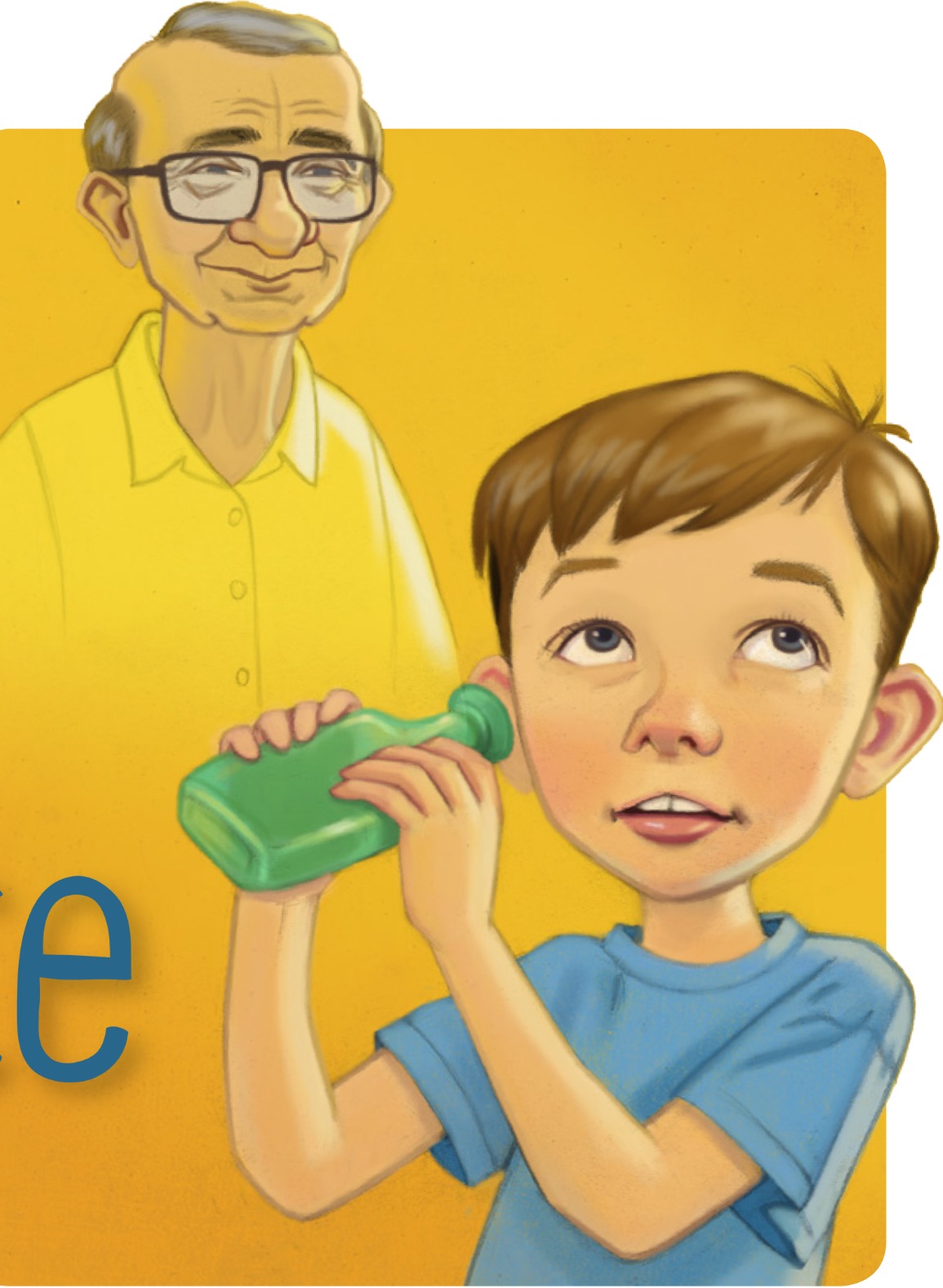
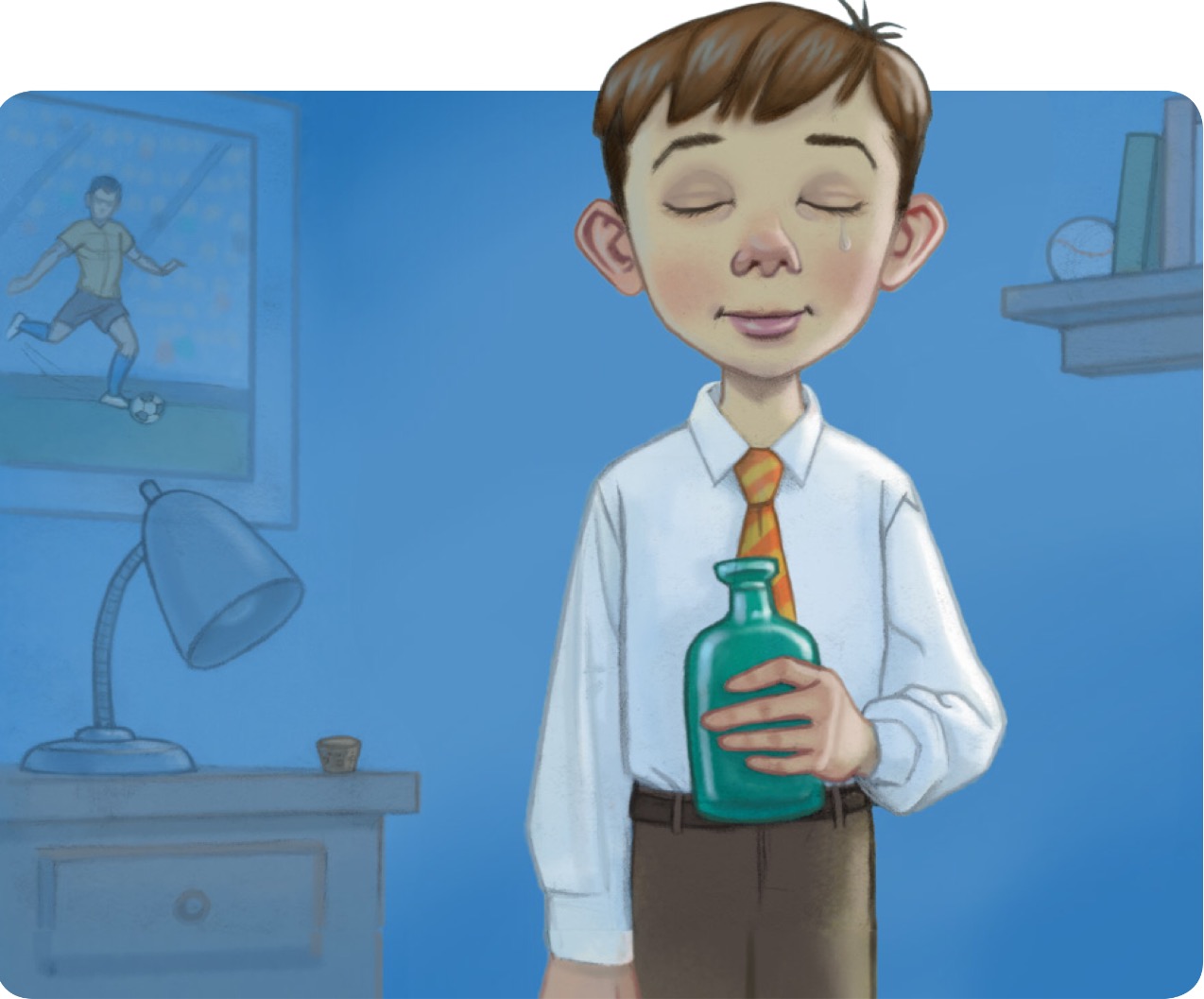
Friend August 2016 “The Little Bottle of Silence” Gage’s grandfather gives him a empty bottle of “silence” at his baptism to remind Gage that quietness helps you hear the Holy Ghost. He feels the Holy Ghost comforting him during a sad time when he seeks quiet time.
Friend September 2015 “Sister Pettigrew’s Lesson” Child learns to listen to the still, small voice
Section 86
Section 86This revelation was received while the Prophet was reviewing and editing the manuscript of the translation of the Bible. His journal entry states that he had “received a Revelation explaining the Parable [of] the wheat and the [tares]”
11 Therefore, blessed are ye if ye continue in my goodness, a light unto the Gentiles, and through this priesthood, a savior unto my people Israel. The Lord hath said it. Amen.
Section 86 describes the important work the Lord wants His servants to do in the latter days. One way children can help with this work is by being a light to people around them.
Read to the children the following phrase from Doctrine and Covenants 86:11: “Blessed are ye if ye continue in my goodness, a light unto the Gentiles [or people who don’t have the gospel].” Here are some questions you can ask your children as you discuss Doctrine and Covenants 86:11: How does light bless us? What is it like when we have no light? How can we be a light to other people? Help your children think of ways we can “continue in [Jesus’s] goodness” and share it with others.
Ask the children to imagine that a friend is trying to walk in the dark (turn off the lights if it helps). Why is it hard to walk in the dark? What can we do to help our friend? Explain that when we follow the Savior, it’s like shining a light to show others the way to go.
Sing “I Am like a Star” (Children’s Songbook, 163).
Jesus said we should be a “light” unto others (Doctrine and Covenants 86:11). That means we should be good examples to everyone.
Draw a candle on a piece of paper and color the flame on the top. Cut it out and attach it to your shirt or hang it around your neck with some string, like a necklace. With your family, talk about what you can do to be a good example.
Friend October 1999 “Let Your Light Shine” Fold in half on the vertical straight line, and glue the backs together. When the glue is dry, cut out the puzzle pieces on the heavy lines and put them into a small container. Have a family member take a puzzle piece from the container and pantomime (act out without using words or noises) what is shown on the small-picture side of it that we can do to share the gospel. Let others guess what it is, then show the picture and post the puzzle piece, candle-side up. Repeat till the puzzle is finished. Remember, each good thing we do helps our light shine.
Friend November 2015 “Be a Shing Light” Ways we can become examples so our lights will shine.
Friend August 2016 Being modest in how we speak, act, and dress is a great way to shine a light for others to follow. Color in the flashlights by the ones you are already doing. Which ones do you want to work on?
Friend April 2017 “Be a Light” Color in the sun as you figure out someone to be an example to by doing certain things for them such as loving, forgiving, encouraging, etc.
The parable of the wheat and the tares is about “the last days, even now” (Doctrine and Covenants 86:4). Use this parable to help the children feel inspired to take part in “the gathering of the wheat” (verse 7).
Tell the children the parable of the wheat and the tares, or invite a child to tell it (see Matthew 13:24–30). Invite the children to draw a picture of something from the parable. Then read together Doctrine and Covenants 86:1–7, and invite the children to write on their drawings what the thing they drew represents.
Prepare several small pictures or drawings of wheat, and hide them around the room. Invite each child to help gather the wheat and write on it the name of someone they can “gather” to Jesus Christ. What does it mean to gather people to Jesus Christ? What are some ways we can do this? What does it mean to “continue in [the Savior’s] goodness,” and how does that help us gather people to Him? (Doctrine and Covenants 86:11).
Section 87Revelation and prophecy on war, given through Joseph Smith the Prophet, at or near Kirtland, Ohio, December 25, 1832. At this time disputes in the United States over slavery and South Carolina’s nullification of federal tariffs were prevalent. Joseph Smith’s history states that “appearances of troubles among the nations” were becoming “more visible” to the Prophet “than they had previously been since the Church began her journey out of the wilderness.”1–4, War is foretold between the Northern States and the Southern States;
Christmas Day is usually a time to ponder messages like “peace on earth” and “good will toward men” (see Luke 2:14). But on December 25, 1832, Joseph Smith’s mind was occupied with the threat of war. South Carolina had just defied the United States government and was preparing for battle. And the Lord revealed to Joseph that this was only the beginning: “War,” He declared, “will be poured out upon all nations” (Doctrine and Covenants 87:2). It seemed like this prophecy would be fulfilled very soon.
But then it wasn’t. Within just a few weeks, South Carolina and the U.S. government reached a compromise, and war was averted. But revelation is not always fulfilled at the time or in the way we expect. Nearly 30 years later, long after Joseph Smith was martyred and the Saints had moved west, South Carolina did rebel and civil war followed. Since then, war throughout the world has caused “the earth [to] mourn” (Doctrine and Covenants 87:6). While the prophecy was ultimately fulfilled, the value of this revelation is less in predicting when calamity will come and more in teaching what to do when it does. The counsel is the same in 1831, 1861, and 2021: “Stand ye in holy places, and be not moved” (verse 8).
Read together Doctrine and Covenants 87:6 to learn about things the Lord said would happen in the latter days. Then you could talk about some of the challenges you and your children face. In verse 8, what did the Lord say we can do during hard times?
Help your children make a list of holy places, holy thoughts, and holy actions that can help them face spiritual danger. For ideas, see the videos “Standing in Holy Places” and “Stand Ye in Holy Places—Bloom Where You’re Planted” (Gospel Library).
No home is perfect, but there are things we can all do to make our homes into holy places of peace.
Show a picture of a temple, and share why the temple is a holy place. Show a picture of a home, and help the children think of ways they can make their homes holy like the temple (see this week’s activity page). Why do we want to be in holy places?
The Red Crystal Start with the picture of the home (not cut). Then have the children add pieces of the temple (cut), as they share their ideas of how to make their homes like the temple, have them place the pieces on top of the home. Or vise versa.
To introduce a discussion about how to make your home a holier place, you could invite family members to design a home for someone who loves the Savior. This may lead to ideas about how to “redesign” your home to make it a place of peace amid the spiritual danger in the world. Songs like “Love at Home,” “Home Can Be a Heaven on Earth” (Hymns,nos. 294, 298), or “Where Love Is” (Children’s Songbook, 138–39) could give you ideas.
Friend November 2009 “Making Your Home a Holy Place” Our home can be one of the holiest places on earth. We can do things to make it easier to feel the Holy Ghost in our homes. Look at each room in this house and decide if what the children are doing will or will not make the house a holier place. If something is happening that will make it easier to feel the Holy Ghost, choose the blue letter. If not, choose the red letter. To find out what your home can be like, fill in the blanks with the correct letters from each room.
Friend March 2023 “The Sharing Problem” Andrew didn’t share his popcorn when his brother Caleb asked for some. The next day Caleb wouldn’t share his sushi. Andrew’s dad talked to him about sharing. Andrew tried to do better. The more he shared, the more Caleb shared with him.
Friend July 2021 “Meet Eta from American Samoa” Eta’s mom owns a dessert bakery. Eta and her older sister, Talai, love to share the desserts with their teachers and leaders and with people who might be having a hard time. (includes photo)
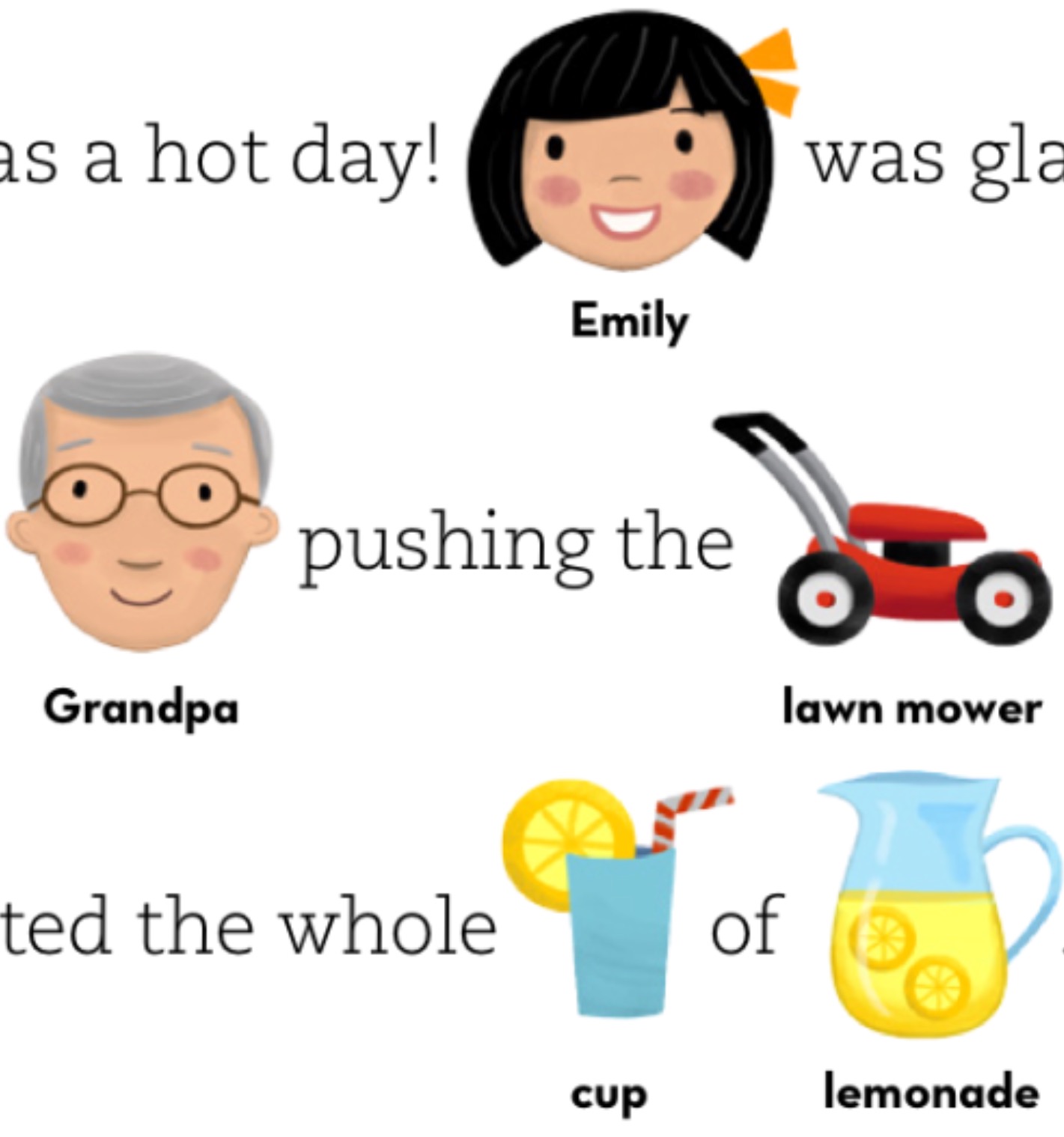
Friend July 2016 “Lemonade for Grandpa” Emily shares her lemonade with her grandpa.
Friend November 1987 “Hand-Me-Down Box” Leigh realizes she’s fortunate to have a caring friend who shares her hand-me-down clothes with her.
Friend October 2015 “The Candy Plan” – Boy, allergic to certain candy, shares his Halloween candy with others.
Friend August 2015 Chris really liked the acorns he found on a family camping trip. He collected a bunch to save as souvenirs from the trip, but instead he shared them with all the neighborhood kids.
Friend March 2020 “Harry Shares” Harry is playing with toys. He is having fun. Harry sees a girl who looks sad. Harry shares toys with her. Now they are both having fun!
Friend November 2025 “The Last Meatball” Alex and his brothers were having a hard time sharing with each other. They decided to split everything equally, such as cookies, blocks, time with games, etc. One night at dinner, it felt kind of silly when they split the last meatball into small pieces. They decided to try to be better at sharing instead of splitting everything equally. Sharing and being kind actually felt better than being perfectly fair.
Friend February 2022 “Goals for Baptism” After hearing about the Children and Youth program, Zoe set a goal to read the Book of Mormon before her baptism. As she read, she wanted to do more good things, so she joined the world wide fast about Covid, and she prayed and fasted for a testimony.
Friend July 2021 “A Dream for Dieter” When he was a boy, Elder Dieter F. Uchtdorf loved airplanes and wanted to be a pilot someday. But Dieter’s family were refugees and poor so sometimes he felt like his dream was impossible. He worked hard and had faith and was able to attain his dream of being a pilot.
Friend June 2021 “Baking Bread for My Mission” Taylor set a goal to bake bread to sell and earn money for his mission. It was hard work. He had to get up at six to make the dough, he had to clean the cooking equipment, then he had to bag the bread and deliver it to people he didn’t know. He learned skills for his mission such as learning to work hard and talk to people.
Friend April 2021 “I Played a Hymn!” Raihau set a goal to play the piano in sacrament meeting. He worked hard to learn a song, then Covid hit. His family had sacrament meeting at home and he played the piano, so he accomplished his goal.
Friend March 2021 “A Piano for Prophet” A boy named prophet set two goals: first, learn how to play the piano, and second, teach others how to play. Several people became interested in learning more about the church as they learned how to play using the Primary songs. (Link includes a Video of the story.)
Friend February 2021 “The Play” James set a goal to put on a scripture story play each week with his brother. Their little brother wanted be in it too. James was kind and gave him the part of playing a lion.
Friend August 2020 “Growing with Good Goals” Four short stories about children who set goals. One to learn to read better, one to feed the hungry, one to teach other kids how to play the piano, and one to share the gospel using the Friend magazine. Each story has a photo of the child.
Friend June 2020 “My Cooking Goal” Fernanda wanted to get better at cooking so she set a goal in her Children’s Guidebook to cook with her dad. Now she loves cooking. She knows Heavenly Father helped her with her goal because He wants her to grow her talents. (photos included in this true story)
Friend January 2020 “A Little Better Every Day” When Sister Joy D. Jones (Primary general president) was young she played the violin. She wanted it to sound pretty, but it squeaked. If she practiced, it sounded better. She made goals to practice a little each day. She encourages children to set goals (such as in the Personal Development: Children’s Guidebook) to learn a little more each day. She says, “Don’t give up. Jesus will help you.”
Friend August 2022 “Ready to Ride” Quade doesn’t know how to ride a bike, but he wants to learn so he can ride with his friends. The only problem is that the wobbly bike is very scary. He says a prayer asking for help. After several more attempts, he is riding without help. He keeps practicing and soon he is able to ride with his friends.
Friend October 2024 “Better Every Day” Heber sets goals to prepare to go to the temple, read scriptures, help friends, practice karate and soccer, and learn English.
Friend November 2024 “My Temple Sketchbook” Brayden made a goal to draw all the temples. It has helped his brothers love the temple more. It has also helped him find his interests. He discovered he loves to design and wants to be an architect some day. It has also help him feel closer to Heavenly Father and Jesus. Whenever he draws a temple, he feels the Spirit.
Goals Help Us Gain Skills
Friend April 2024 “Breakfast is Ready” For a goal in the Children’s Guidebook, David asked his father to help teach him to cook. After much practice with his father he was able to make breakfast for the family of cut up fruit, pancakes, and bacon.
Family Goals
Friend January 2021 “Our Book of Mormon Goal” At Christmas, Mattea’s family all wrote down things that we were going to give Christ for the next year. Mattea’s grandma said she was going to read the Book of Mormon in four months. She had not gone to church since she was nine. All of Mattea’s aunts, uncles, and most of her cousins decided to read the Book of Mormon with her.
It’s Important to Try Your Best
Even if Fail
Friend January 2020 “Try Pie” Eliza tried out for volleyball team. She had practiced and prepared, but she didn’t make it. She wanted to hide in her bedroom, but her mom made her favorite, Key Lime Pie. Eliza asked why they were having dessert, and her father told her, “Part of learning new things means not always succeeding. That can be scary. But the important thing is you still tried.” Her parents were proud of her for trying something hard, and they thought that was worth celebrating with pie!
Friend January 2024 “The Reading Goal” Anders had dyslexia, and it made it difficult for him follow along or read during family scripture study because his brain mixed up words and letters. He decided to set a goal to read one scripture verse out loud each day. At first he did it in his room so no one could hear him. He didn’t think he was getting any better, but his teacher at school noticed how much he was improving. He realized the words were easier to understand. That night he read a verse out loud during family scripture study. Everyone was so happy for him, and he was proud of himself.
Friend October 2023 “Tashi’s Test” Tashi was having problems learning a language at school. His mom suggested that he set a goal to work on it and pulled out Tashi’s Children’s Guidebook. Every day he worked on it, and even he got extra help from teachers. Tashi felt proud of himself for working hard, and he also felt really good when he took his exams.
Friend July 2025 “Articles of Faith” What this means: When the Bible was translated, some ideas were lost, confused, or moved around. We believe in the parts of the Bible that were translated how Heavenly Father wanted. We believe that both the Bible and the Book of Mormon teach us truths from Heavenly Father and Jesus Christ.
Memorization Tip Article of Faith 8 is about the scriptures, which include the Pearl of Great Price. Eight rhymes with great.
Have the children stand in a line. Whisper the two- or three-sentence message into the ear of the first child in line. Have each child in turn whisper the message to the next child. Instruct each child to say the message only once. Continue until the message reaches the last child in line. Ask the last child to repeat the message aloud. Compare the message the last child received with the original message to see how the message changed.
How had the message changed by the time it reached the end of the line? What was left out? What was added?
Why do you think the message changed as it passed from person to person?
Explain to the children that just as their message changed as it was passed from person to person, over many years some of the scriptures in the Bible had been changed as people translated the Bible and made copies of it by hand. Mistakes were made: some incorrect teachings had been added to the Bible, and some important teachings had been left out. The Lord commanded Joseph Smith to prepare a translation of the Bible that would restore the correct teachings (see Articles of Faith 1:8).