Prophets are messengers of Jesus Christ.
Come, Follow Me—For Primary: Old Testament 2022 “Amos; Obadiah” One of the most important things children can know about prophets is that they are messengers of Jesus Christ.
7 Surely the Lord God will do nothing, but he revealeth his secret unto his servants the prophets.
Come, Follow Me—For Home and Church: Old Testament 2026
- To help your children understand Amos 3:7, you could whisper a simple message to one of the children (such as saying “fold your arms reverently” or “smile happily”) and ask them to share the message with the other children. How is the messenger in this activity like a prophet? (possibly repeat this activity, allowing a few other children to be the messenger.) Help them understand how the messenger in this activity is like a prophet, who shares God’s message with us. Share a few examples of recent messages from the living prophet that have helped you grow closer to Jesus Christ. (Or you and your children could review recent messages from the current President of the Church.)
- Why does the Lord give us prophets?
- You could also sing a song like “Follow the Prophet” (Children’s Songbook, 110–11). Share with each other why you choose to follow God’s prophet.
- Invite a child to stand at the front of the room and pretend to be the prophet Amos. As you share some facts about Amos from Amos 7:14–15, give the child pictures or props to hold that go with each fact, such as pictures of a sheep, a fruit, and the Lord. Explain that Amos was a shepherd whom the Lord called to be His messenger.
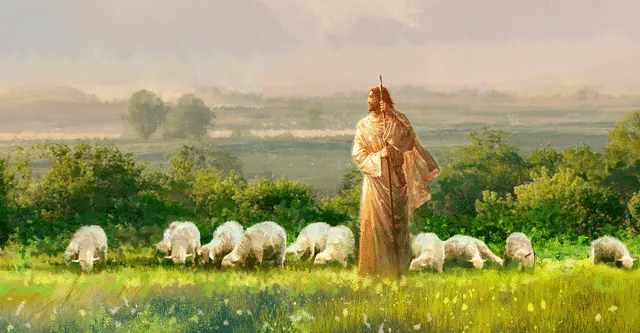
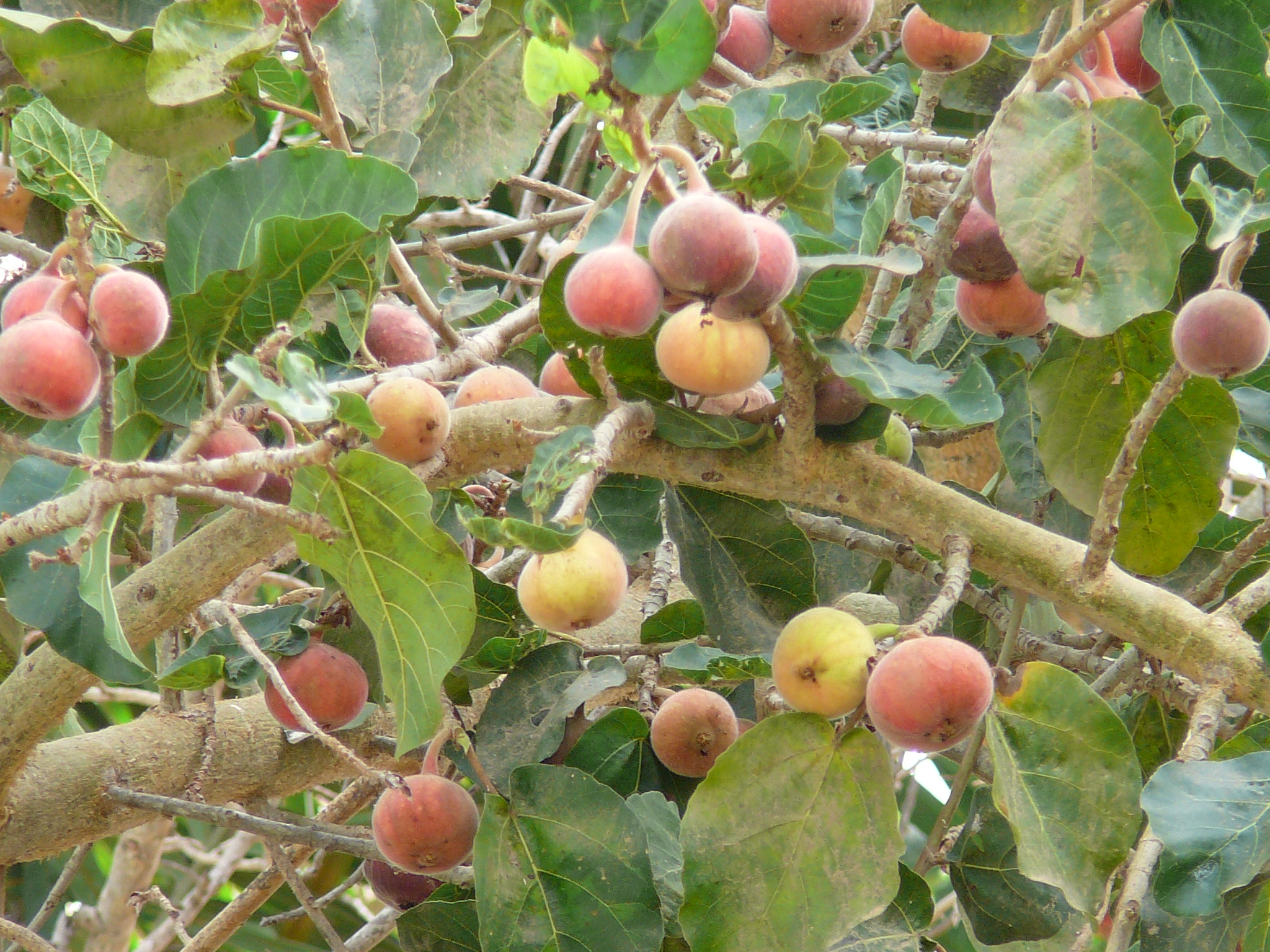
- Then show pictures of the Lord and the living prophet, and explain that the Lord continues to call messengers today. Read Amos 3:7 aloud, and ask the children to point to the appropriate picture when they hear the words “Lord” and “prophets.” Share your testimony that just as in the days of Amos, Jesus Christ speaks to us through His prophets.


- Sing or play a recording of a song about prophets, such as “Follow the Prophet” (Children’s Songbook, 110–11), as the children work on this week’s activity page. Point out to the children phrases in the song that teach how prophets lead the way to Jesus Christ.

- Help the children memorize all or part of Amos 3:7. For example, give them a few minutes to read the verse several times while you write every other word of the verse on the board. Invite the children to close their scriptures and say the verse out loud together, using the clues on the board. Then erase a few words at a time until the children can repeat the entire verse without any clues. What does this verse teach us about prophets? How has our living prophet helped us know what the Savior wants us to do?
- Write several questions about prophets on strips of paper, such as the following: Why do we have prophets? What do prophets do? Why do you follow the prophet? What do prophets teach about? Ask the children to get into pairs, and have one child from each pair pick a question and ask his or her partner to answer it. If children need help answering a question, they can look in “Prophet” in Guide to the Scriptures (scriptures.ChurchofJesusChrist.org). After the partner answers the question, the children can switch roles and choose another question.
If I seek good, the Lord will be with me.
Come, Follow Me—For Primary: Old Testament 2022 “Amos; Obadiah” Amos invited the Israelites to “seek good, and not evil” and promised that if they did, “the Lord … shall be with you.” How will you help the children respond to this invitation and receive this promise?
- Display several pictures of children doing good things, such as helping others or taking the sacrament. Let each child take a turn describing one of the pictures while the other children guess which picture he or she is describing. Read Amos 5:14, and help the children think of ways they will “seek good” every day.

- Invite the children to draw pictures of themselves doing something good. Read Amos 5:14, and emphasize the Lord’s promise that He will be with us when we seek good. Invite the children to add to their drawings a picture of Jesus standing with them.
- What does the Lord want us to seek, and what promise does He make to those who do? How do we seek the Lord?
- Help the children memorize the last sentence of the thirteenth article of faith. How do we “seek after these things”?

The Restoration of the gospel ended the famine of apostasy.
Come, Follow Me—For Home and Church: Old Testament 2026 & Come, Follow Me—For Primary: Old Testament 2022 “Amos; Obadiah”
- Invite your children to pretend to be hungry as you read Amos 8:11–12. What does it feel like when we are hungry for God’s word? Maybe your children could pretend to eat as you share with each other some of your favorite scriptures.


- You could use Guide to the Scriptures, “Apostasy” (Gospel Library), or “After the New Testament” (in New Testament Stories, 167–70) to help your children understand the “famine” that came from the Great Apostasy and how it ended with the Restoration. Share with each other reasons you are grateful that the Lord restored His gospel in our day. (talk about what happens when people don’t have the word of the Lord.) discuss questions like these: Why was there an Apostasy? What happened as a result of the Apostasy? Why did the Lord restore His gospel? (see also “The Restoration of the Fulness of the Gospel of Jesus Christ: A Bicentennial Proclamation to the World,” ChurchofJesusChrist.org).
Doctrine and Covenants Stories “Introduction: Before the Doctrine and Covenants” Video. The last part is about the apostasy and restoration
Jesus taught people His gospel. He taught them to obey Heavenly Father’s commandments.
Help the children build a tower out of plastic cups or blocks. Tell the children that the cups or blocks represent important parts of the true Church, such as gospel truths, the priesthood, temple sealings, and prophets. After Paul and the other Apostles died, these things were lost, and the true Church was not on the earth for many years. Invite a child to knock the tower over, and explain that this was called the Apostasy or “falling away.” When Jesus Christ brought His Church back, it was called the Restoration. (Come, Follow Me—For Primary: New Testament 2023 “1 and 2 Thessalonians” )
The Great Apostasy “News with the Naylors” Lesson ideas

Children might enjoy making up actions that go with phrases in these verses. When our bodies are hungry or thirsty, what do we do? When our spirits are hungry or thirsty, what do we do? You might also watch the video “The Great Apostasy” (ChurchofJesusChrist.org) and talk about how the Restoration of the gospel satisfies our spiritual hunger. Come, Follow Me—For Individuals and Families: Old Testament 2022 “Amos; Obadiah”

What could it mean to be “saviours … on mount Zion”? (For one possible explanation, see the statement by President Gordon B. Hinckley in “Ideas for Personal Scripture Study.”) Which of our ancestors need saving ordinances? What will we do to help them?
The Lord will help me obey Him, even when it’s hard.
Come, Follow Me—For Home and Church: Old Testament 2026 & Come, Follow Me—For Primary: Old Testament 2022 “Jonah; Micah”
- Show pictures of the story of Jonah, and invite the children to tell what they know about the story To help your children learn the story of Jonah, you could review “Jonah the Prophet” in Old Testament Stories; see also this week’s activity page). You could then ask:
- What happened when Jonah didn’t obey the Lord? (see Jonah 1:4–17).
- What did Jonah do to repent? (see Jonah 1:10–12; 2:1–4, 9; 3:1–4).
- What happened when Jonah did obey? (see Jonah 3:5).
- Your children might enjoy retelling the story of Jonah or acting it out. Share with each other some experiences when the Lord wanted you to do something that was hard for you. How did He help you obey Him?
Old Testament Stories “Jonah the Prophet” Images

Sing together a song about obeying the Lord, such as “Quickly I’ll Obey” (Children’s Songbook, 197). Talk about how it would have been best for Jonah to obey the first time. Help the children think of things God wants them to do and then act out how they can obey quickly.
For additional aids for teaching about Jonah see Old Testament Stories and Lesson Ideas
The Lord is merciful to all who turn to Him.
Come, Follow Me—For Home and Church: Old Testament 2026
- Maybe your children could pretend they are interviewing Jonah about his experience. What questions would they ask him? Encourage them to ask questions to find out what Jonah learned about the Lord. What might Jonah say, for example, about the Lord’s mercy? (see, for example, Jonah 2:7–10; 3:10; 4:2).
- Help your children think of examples when the Savior showed mercy to others, such as Mark 2:3–12; Luke 23:33–34; and John 8:1–11. You and your children could search for pictures of these examples. What opportunities do we have to be merciful to others?


“Cease From Anger” (February 2010 Friend)
Take this quiz to see how forgiving you are. When we are loving and forgiving, we can be peacemakers.

Additional Resources
Primary 6 Old Testament “Jonah and the People of Nineveh”
Come Follow Me Kid Amos and Obediah
Come Follow Me Kid Jonah and Micah
Old Testament Stories and Lesson Ideas

The Red Crystal Jonah and Micah

Pingback: Old Testament: Come Follow Me | Teaching Children the Gospel