Section 85
Section 85 This section is an extract from a letter of the Prophet to William W. Phelps, who was living in Independence, Missouri. It answers questions about those Saints who had moved to Zion but who had not followed the commandment to consecrate their properties and had thus not received their inheritances according to the established order in the Church.
The Spirit Speaks with a “Still Small Voice.”
Come, Follow Me—For Primary: Doctrine and Covenants 2021 “Doctrine and Covenants 85-87” Elder Richard G. Scott said, “If you accomplish nothing else in your relationship with your students than to help them recognize and follow the promptings of the Spirit, you will bless their lives immeasurably and eternally” (“To Learn and to Teach More Effectively” [Brigham Young University Education Week devotional, Aug. 21, 2007], 5, speeches.byu.edu).
6 Yea, thus saith the still small voice, which whispereth through and pierceth all things, and often times it maketh my bones to quake while it maketh manifest, saying:
Come, Follow Me—For Home and Church: Doctrine and Covenants 2025
- Ask the children what they would say if someone asked them how they know when the Holy Ghost speaks to them. Invite them to read about one way Joseph Smith described the Spirit’s voice in Doctrine and Covenants 85:6. They could then practice listening to and speaking in a small voice. You might also share experiences when the Spirit spoke to you in a still, small voice.
Friend May 2025 “Margo and Paolo: The Still, Small Voice” Margo had heard that the Holy Ghost talks in a quiet voice. But she didn’t think she had ever heard Him! Her grandmother told her that the Holy Ghost usually speaks to us through our thoughts and feelings. Then Margo remembered when she felt like I shouldn’t go to jiu jitsu on Sunday. She realized that the Holy Ghost does speak to her.

Friend August 2023 “A Special Gift” The missionaries teach Mehrimah’s family that the Holy Ghost helps us feel peace and comfort from Heavenly Father. He also encourages us to do good things, and He helps us know what is true. They invited the family to pay close attention to their thoughts and feelings that week, and look for times when when the Holy Ghost is speaking to them. Mehrimah notices that she felt felt calm and peaceful when they said family prayer. When she listened to a song about Jesus Christ she felt happy. It made her want to help other people. She felt warm and happy when she repented of a wrong doing. And when she was baptized she felt peaceful, like someone was telling her to live a good life, to help people, and to keep the commandments. She knew she all those feelings were from the Holy Ghost.


- To help your children understand the phrase “still small voice,” you could play a children’s song quietly, such as “The Holy Ghost” (Children’s Songbook, 105). Ask one of the children to guess what song it is while other children make distracting noises. Then you could repeat the song with no distractions. What distractions can we remove from our lives to feel the Spirit more often?
New Era January 2019 “How to Get Better Revelation Reception” Use a cup and string communication device and put folded papers on the string of things that might interfere with receiving revelation. (See article for more information.)

How can you teach your family to recognize the still, small voice of the Spirit? Maybe you could play a game in which someone whispers important instructions amid distracting noises. What might be distracting us from hearing the Holy Ghost? Perhaps family members could share what they do to hear the voice of the Spirit.
Friend August 2021 “Scripture Time Fun for Little Ones”

For Doctrine and Covenants 85–87: Sing a hymn or Primary song very quietly. Practice concentrating on hearing and understanding the song. Help your little ones say, “I can listen for the Holy Ghost.”
Friend August 2016 “The Little Bottle of Silence” Gage’s grandfather gives him a empty bottle of “silence” at his baptism to remind Gage that quietness helps you hear the Holy Ghost. He feels the Holy Ghost comforting him during a sad time when he seeks quiet time.
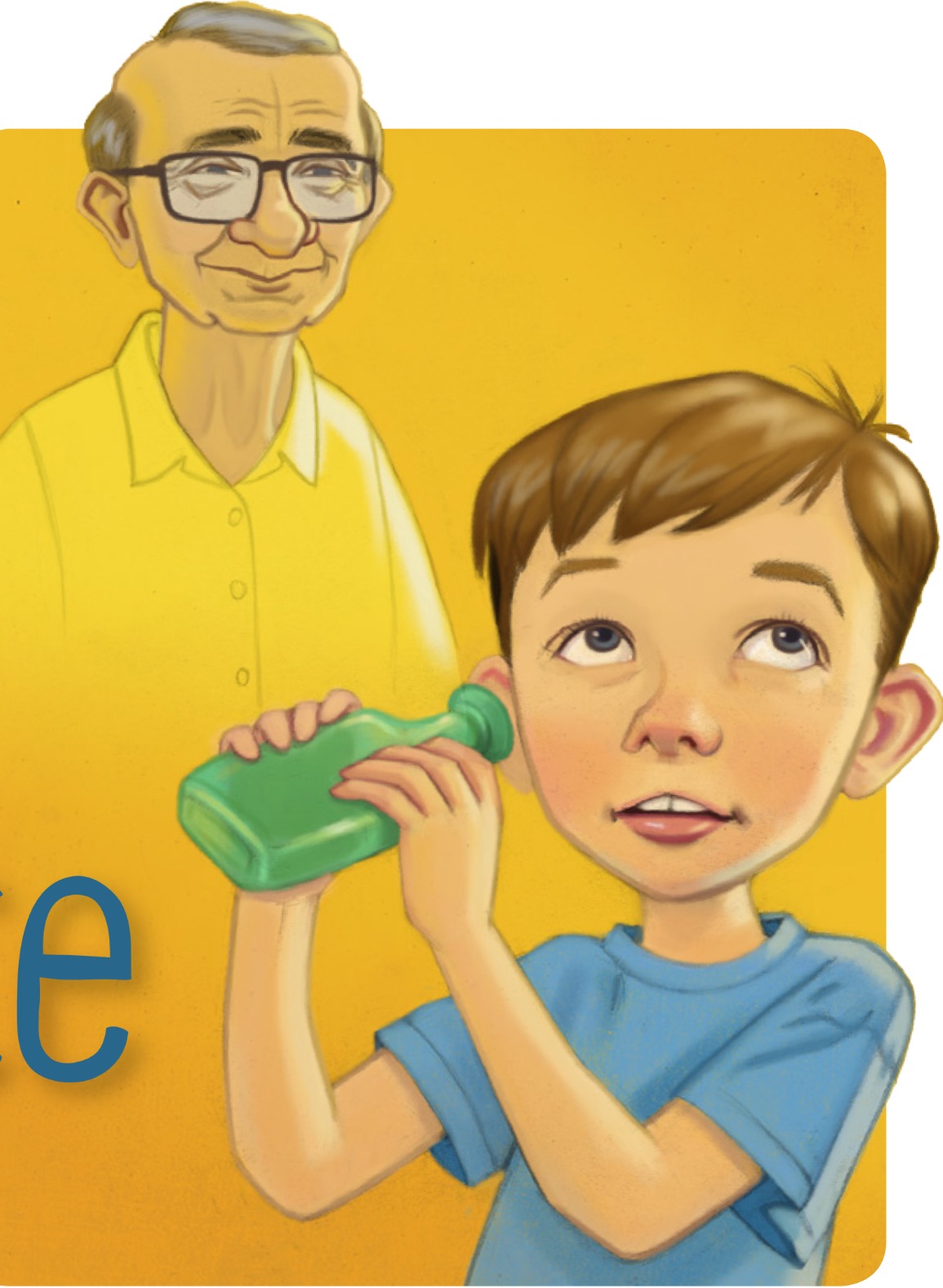
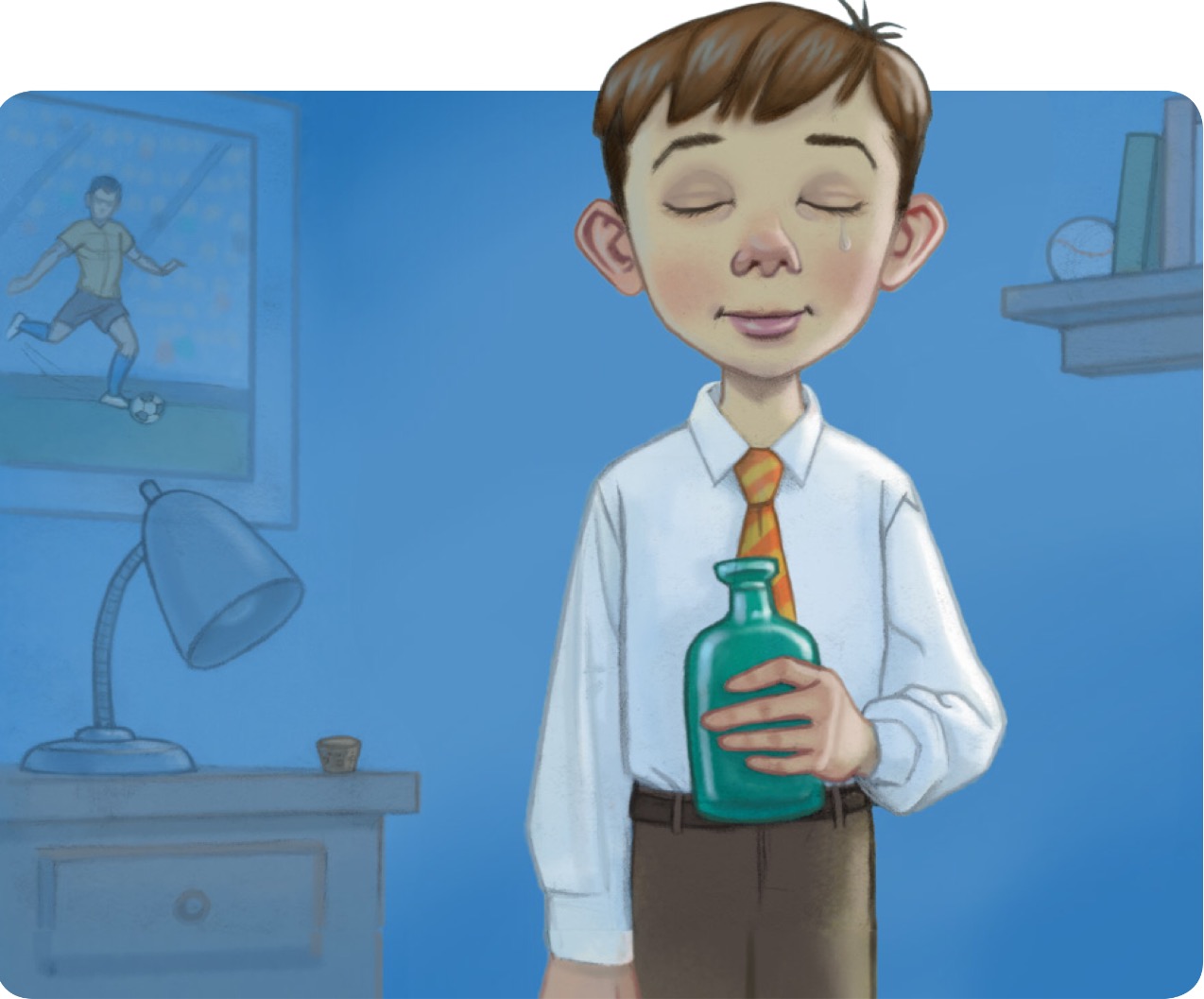
Friend September 2015 “Sister Pettigrew’s Lesson” Child learns to listen to the still, small voice

Section 86
Section 86 This revelation was received while the Prophet was reviewing and editing the manuscript of the translation of the Bible. His journal entry states that he had “received a Revelation explaining the Parable [of] the wheat and the [tares]”
I Can Be Like a Light to Others.
11 Therefore, blessed are ye if ye continue in my goodness, a light unto the Gentiles, and through this priesthood, a savior unto my people Israel. The Lord hath said it. Amen.
Section 86 describes the important work the Lord wants His servants to do in the latter days. One way children can help with this work is by being a light to people around them.
Come, Follow Me—For Home and Church: Doctrine and Covenants 2025 & Come, Follow Me—For Primary: Doctrine and Covenants 2021 “Doctrine and Covenants 85-87”
- Read to the children the following phrase from Doctrine and Covenants 86:11: “Blessed are ye if ye continue in my goodness, a light unto the Gentiles [or people who don’t have the gospel].” Here are some questions you can ask your children as you discuss Doctrine and Covenants 86:11: How does light bless us? What is it like when we have no light? How can we be a light to other people? Help your children think of ways we can “continue in [Jesus’s] goodness” and share it with others.

- Ask the children to imagine that a friend is trying to walk in the dark (turn off the lights if it helps). Why is it hard to walk in the dark? What can we do to help our friend? Explain that when we follow the Savior, it’s like shining a light to show others the way to go.
Friend March 2011 “Bright Idea”

Friend August 2021 “Scripture Time Fun: Example Candles”

- Sing “I Am like a Star” (Children’s Songbook, 163).
- Jesus said we should be a “light” unto others (Doctrine and Covenants 86:11). That means we should be good examples to everyone.
- Draw a candle on a piece of paper and color the flame on the top. Cut it out and attach it to your shirt or hang it around your neck with some string, like a necklace. With your family, talk about what you can do to be a good example.
Friend October 1999 “Let Your Light Shine” Fold in half on the vertical straight line, and glue the backs together. When the glue is dry, cut out the puzzle pieces on the heavy lines and put them into a small container. Have a family member take a puzzle piece from the container and pantomime (act out without using words or noises) what is shown on the small-picture side of it that we can do to share the gospel. Let others guess what it is, then show the picture and post the puzzle piece, candle-side up. Repeat till the puzzle is finished. Remember, each good thing we do helps our light shine.

Friend November 2015 “Be a Shing Light” Ways we can become examples so our lights will shine.

Friend August 2016 Being modest in how we speak, act, and dress is a great way to shine a light for others to follow. Color in the flashlights by the ones you are already doing. Which ones do you want to work on?

Friend April 2017 “Be a Light” Color in the sun as you figure out someone to be an example to by doing certain things for them such as loving, forgiving, encouraging, etc.

For additional teaching ideas see Example and Resources for Teaching Children “Example”
I Can Help Gather God’s People.
Come, Follow Me—For Primary: Doctrine and Covenants 2021 “Doctrine and Covenants 85-87”
The parable of the wheat and the tares is about “the last days, even now” (Doctrine and Covenants 86:4). Use this parable to help the children feel inspired to take part in “the gathering of the wheat” (verse 7).
- Tell the children the parable of the wheat and the tares, or invite a child to tell it (see Matthew 13:24–30). Invite the children to draw a picture of something from the parable. Then read together Doctrine and Covenants 86:1–7, and invite the children to write on their drawings what the thing they drew represents.
See Friend February 1995 “The Wheat and the Tares” and/or Doctrine and Covenants Student Manual “Section 86, The Parable of the Wheat and the Tares” for explanation of the Wheat and Tares story

Wheat and Tares
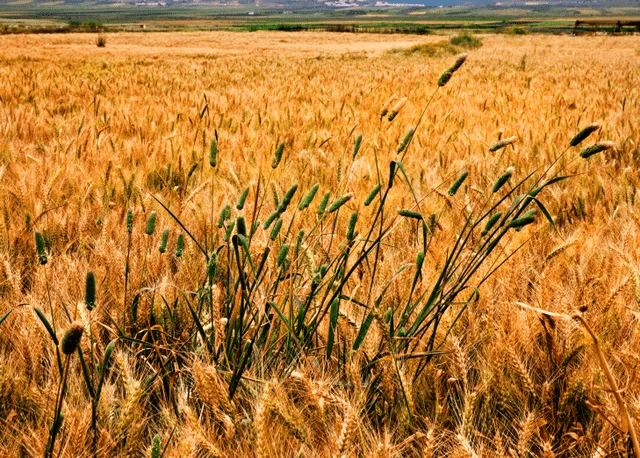
The Lord gathers His people like wheat.

- Prepare several small pictures or drawings of wheat, and hide them around the room. Invite each child to help gather the wheat and write on it the name of someone they can “gather” to Jesus Christ. What does it mean to gather people to Jesus Christ? What are some ways we can do this? What does it mean to “continue in [the Savior’s] goodness,” and how does that help us gather people to Him? (Doctrine and Covenants 86:11).

Section 87
Section 87 Revelation and prophecy on war, given through Joseph Smith the Prophet, at or near Kirtland, Ohio, December 25, 1832. At this time disputes in the United States over slavery and South Carolina’s nullification of federal tariffs were prevalent. Joseph Smith’s history states that “appearances of troubles among the nations” were becoming “more visible” to the Prophet “than they had previously been since the Church began her journey out of the wilderness.” 1–4, War is foretold between the Northern States and the Southern States;
Christmas Day is usually a time to ponder messages like “peace on earth” and “good will toward men” (see Luke 2:14). But on December 25, 1832, Joseph Smith’s mind was occupied with the threat of war. South Carolina had just defied the United States government and was preparing for battle. And the Lord revealed to Joseph that this was only the beginning: “War,” He declared, “will be poured out upon all nations” (Doctrine and Covenants 87:2). It seemed like this prophecy would be fulfilled very soon.
But then it wasn’t. Within just a few weeks, South Carolina and the U.S. government reached a compromise, and war was averted. But revelation is not always fulfilled at the time or in the way we expect. Nearly 30 years later, long after Joseph Smith was martyred and the Saints had moved west, South Carolina did rebel and civil war followed. Since then, war throughout the world has caused “the earth [to] mourn” (Doctrine and Covenants 87:6). While the prophecy was ultimately fulfilled, the value of this revelation is less in predicting when calamity will come and more in teaching what to do when it does. The counsel is the same in 1831, 1861, and 2021: “Stand ye in holy places, and be not moved” (verse 8).

I Can “Stand … in Holy Places.”
Doctrine and Covenants 87:6, 8
Come, Follow Me—For Home and Church: Doctrine and Covenants 2025
- Read together Doctrine and Covenants 87:6 to learn about things the Lord said would happen in the latter days. Then you could talk about some of the challenges you and your children face. In verse 8, what did the Lord say we can do during hard times?
- Help your children make a list of holy places, holy thoughts, and holy actions that can help them face spiritual danger. For ideas, see the videos “Standing in Holy Places” and “Stand Ye in Holy Places—Bloom Where You’re Planted” (Gospel Library).
Come, Follow Me—For Primary: Doctrine and Covenants 2021 “Doctrine and Covenants 45”

Come Follow Me Kid See link for more lesson ideas


Latter Day Kids Lesson ideas
Our Homes Can Be “Holy Places.”
Come, Follow Me—For Primary: Doctrine and Covenants 2021 “Doctrine and Covenants 85-87”
No home is perfect, but there are things we can all do to make our homes into holy places of peace.
- Show a picture of a temple, and share why the temple is a holy place. Show a picture of a home, and help the children think of ways they can make their homes holy like the temple (see this week’s activity page). Why do we want to be in holy places?
The Red Crystal Start with the picture of the home (not cut). Then have the children add pieces of the temple (cut), as they share their ideas of how to make their homes like the temple, have them place the pieces on top of the home. Or vise versa.


Friend August 2021 “Bright Idea”

To introduce a discussion about how to make your home a holier place, you could invite family members to design a home for someone who loves the Savior. This may lead to ideas about how to “redesign” your home to make it a place of peace amid the spiritual danger in the world. Songs like “Love at Home,” “Home Can Be a Heaven on Earth” (Hymns,nos. 294, 298), or “Where Love Is” (Children’s Songbook, 138–39) could give you ideas.
Friend November 2009 “Making Your Home a Holy Place” Our home can be one of the holiest places on earth. We can do things to make it easier to feel the Holy Ghost in our homes. Look at each room in this house and decide if what the children are doing will or will not make the house a holier place. If something is happening that will make it easier to feel the Holy Ghost, choose the blue letter. If not, choose the red letter. To find out what your home can be like, fill in the blanks with the correct letters from each room.
Our home can be like a __ __ __ __ __ __.


Additional Resources
Doctrine and Covenants Historical Resources “Doctrine and Covenants 85-87”
